



LIFE CYCLE
Perennial

PLANT CHARACTERISTICS
Succulent green

GROWTH HABIT
Slow

BLOOM SEASON
Spring to early summer.

FLAVOUR PROFILE
Sweet

SUITABLE FOR
OUT DOOR

PLANTING SEASON
Spring

FRUIT SIZE
5–10 cm

PLANT HEIGHT
Up to 3–5 m

LIGHT REQUIREMENT
Full sun

WATER NEEDS
LOW

HARDINESS ZONES
USDA 8–11

CONTAINER GARDEN
YES

PLANT SPACING
30–60 cm

PLANTING DEPTH
Surface

GROWING CONDITIONS
Sandy
Frequently Asked Questions
1. How long does it take for this cactus to start producing fruit?
1. How long does it take for this cactus to start producing fruit?
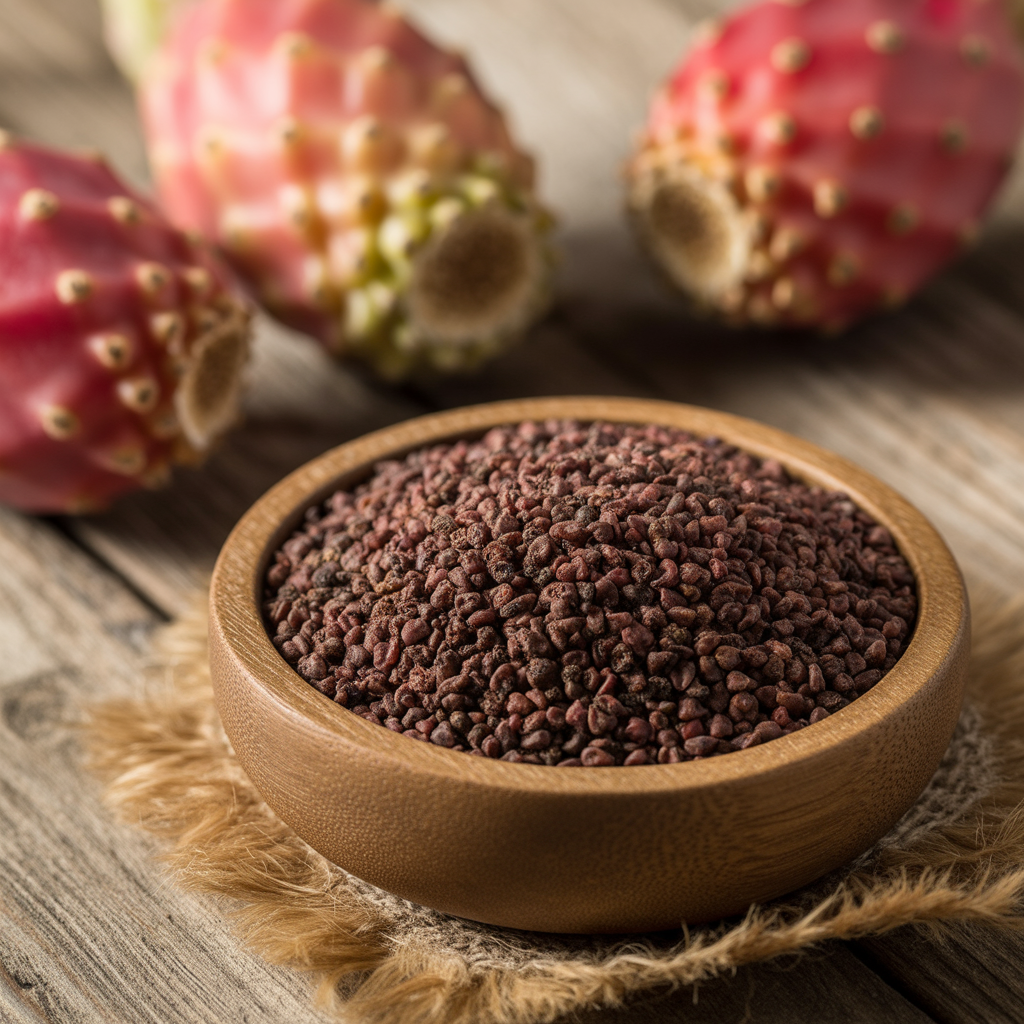
Prickly pear cactus grown from seed typically takes a few years to mature and reach fruit-bearing size, as it has a slow growth habit.
2. Are the fruit and pads from this plant actually edible?
2. Are the fruit and pads from this plant actually edible?
Yes, both the red fruit and young pads (nopales) of Opuntia ficus-indica are commonly used in cooking, though proper harvesting and preparation (removing spines) is required before consumption.
3. Does this cactus have spines that need careful handling?
3. Does this cactus have spines that need careful handling?
Yes, like most Opuntia species, the pads typically have spines or fine glochids, so gloves and care are recommended when handling mature plants.
4. Can I keep this cactus small, or will it always grow very large?
4. Can I keep this cactus small, or will it always grow very large?
Left unpruned it can reach 3–5 m, but regular pruning and container growing can help keep it more compact and manageable.
5. Is this cactus suitable for a rock garden or xeriscape design?
5. Is this cactus suitable for a rock garden or xeriscape design?
Yes, its drought tolerance and structural form make it a common choice for rock gardens, xeriscaping, and other low-water landscape designs.
6. Will this cactus survive in a humid or rainy climate?
6. Will this cactus survive in a humid or rainy climate?
It prefers dry, arid conditions with well-drained soil; excess humidity or poorly drained soil can increase the risk of root rot.