





Life Cycle
Perennial

Plant Characteristics
Attractive foliage

Growth Habit
Clump-forming

Bloom Season
Spring–Early Summer

Flavour Profile
Not applicable (ornamental use only)

Suitable for
Suitable for

Planting Season
Autumn–Spring

Fruit Size
Fruit Size

Plant Height
40–70 cm

Light Requirement
Partial Shade

Water Needs
Moderate

Hardiness Zones
3–8

Container Garden
Limited

Plant Spacing
45–60 cm

Planting Depth
1–2 cm

Growing Conditions
Cool
Frequently Asked Questions
Why does Actaea rubra take patience to germinate?
Why does Actaea rubra take patience to germinate?
Actaea rubra seeds have a dormancy pattern that can make germination slower than many common garden flowers. Cold stratification before sowing is recommended on the product page.
Can red baneberry grow beneath established trees?
Can red baneberry grow beneath established trees?
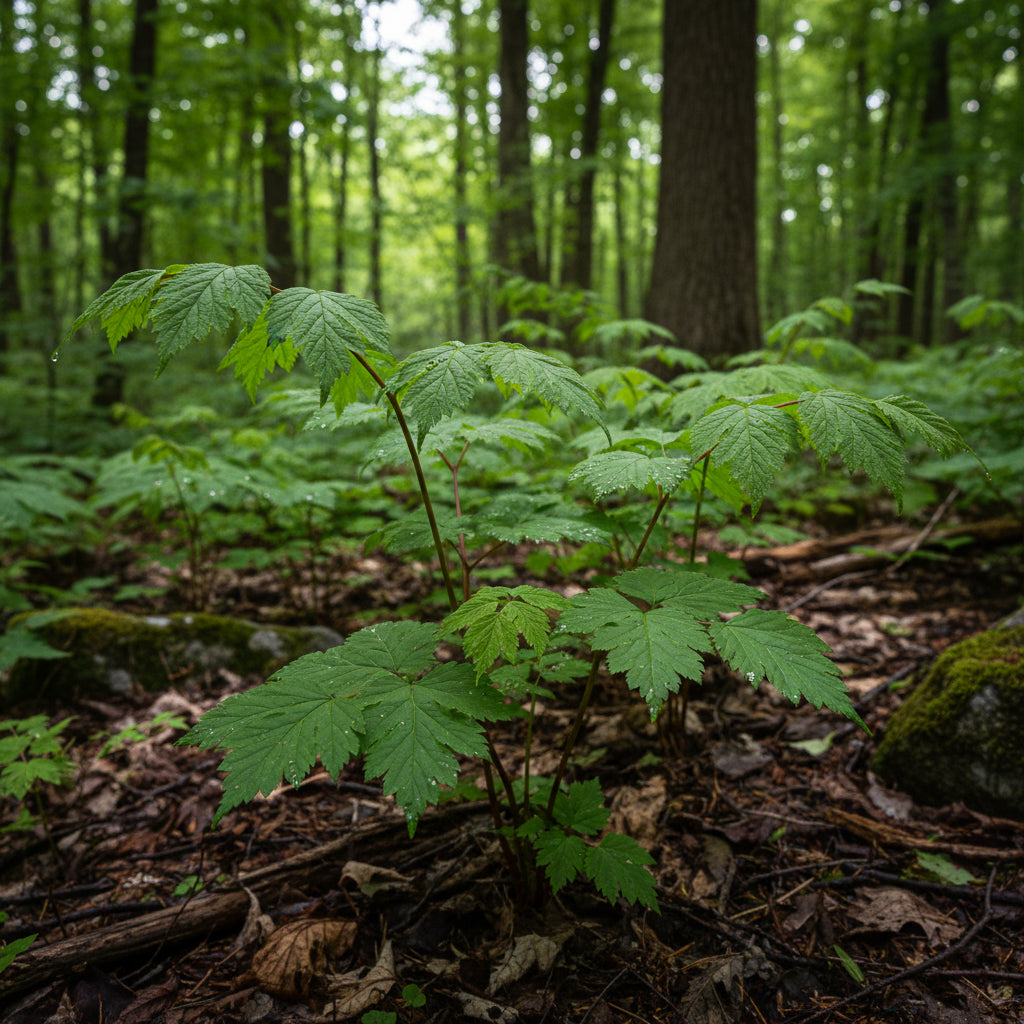
Yes. Its woodland character and partial-shade requirement make it suitable for planting beneath trees where soil remains moist and conditions are not excessively hot or dry.
How does red baneberry spread in the garden?
How does red baneberry spread in the garden?
The listed growth habit is clump-forming rather than a running vine. Give plants 45–60 cm of spacing to allow room for gradual clump development.
What makes the berries ornamental rather than edible?
What makes the berries ornamental rather than edible?
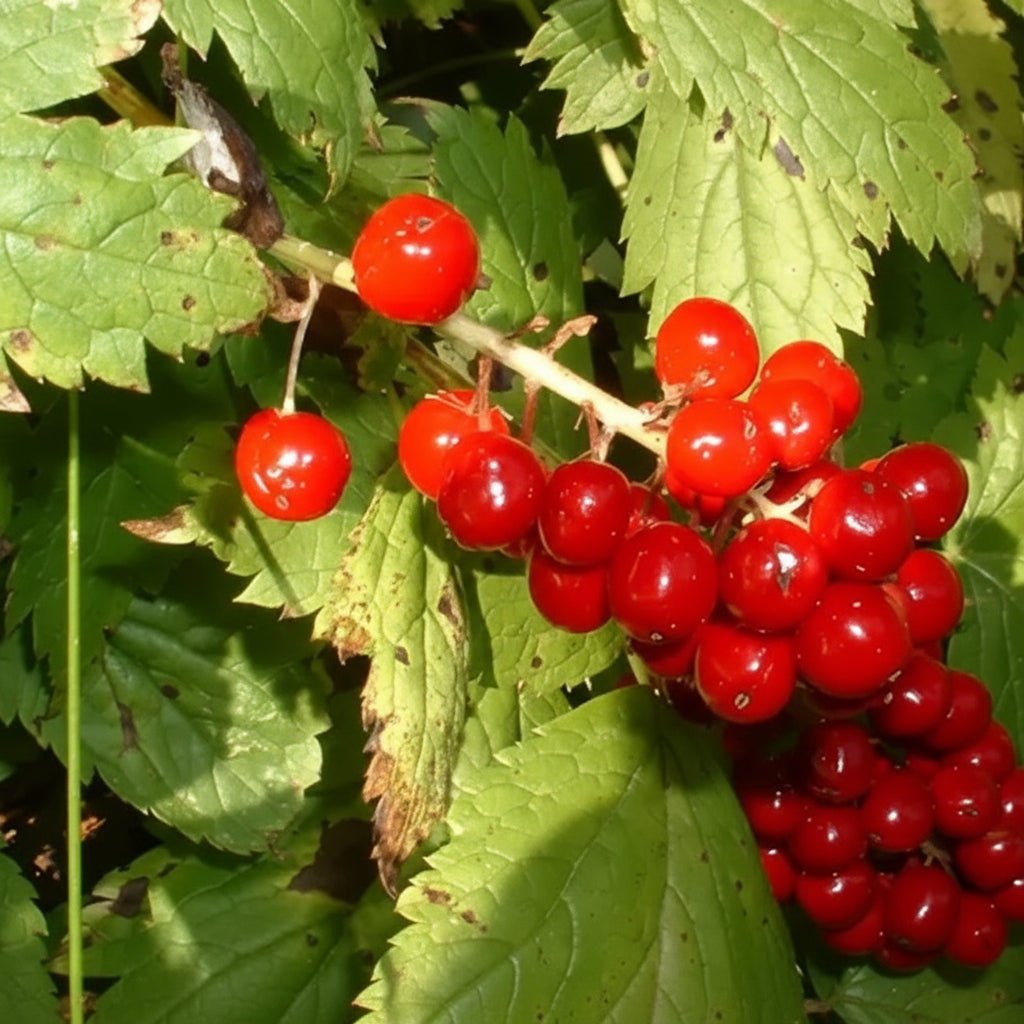
The product page specifically identifies the berries as ornamental only and not edible. They should not be treated as a fruit crop.
Is Actaea rubra suited to a cool garden climate?
Is Actaea rubra suited to a cool garden climate?
Yes. The listing gives hardiness zones 3–8 and describes cool growing conditions, making it suited to cooler garden environments.
Can red baneberry be used in a woodland-style border?
Can red baneberry be used in a woodland-style border?
Yes. Its foliage, clump-forming habit, shade preference, and red berries make it suitable for woodland borders and naturalistic ornamental planting.