



Life Cycle
Perennial

Plant Characteristics
Aromatic spikes

Growth Habit
Tall upright

Bloom Season
Summer

Flavour Profile
Not edible

Suitable for
Outdoor

Planting Season
Spring

Fruit Size
Not applicable

Plant Height
120–180 cm

Light Requirement
Full Sun Partial Shade

Water Needs
Moderate

Hardiness Zones
3–8

Container Garden
No

Plant Spacing
45–60 cm

Planting Depth
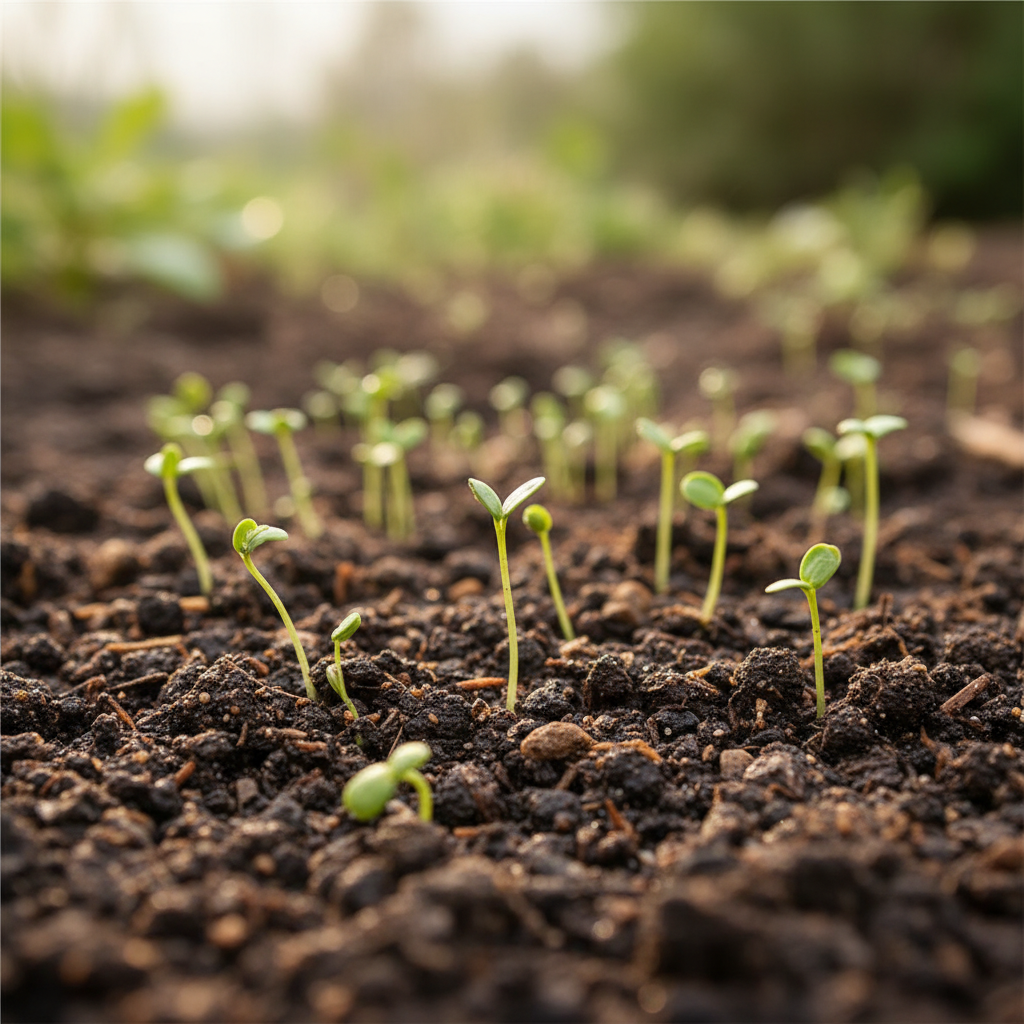
Surface sow

Growing Conditions
Well drained soil
Frequently Asked Questions
What makes Giant Hyssop different from compact Agastache varieties?
What makes Giant Hyssop different from compact Agastache varieties?
It develops taller flower spikes that add height and texture to naturalistic perennial gardens.
Can it be used in prairie-style landscapes?
Can it be used in prairie-style landscapes?
Yes. Its upright growth blends naturally with meadow and prairie-inspired planting schemes.
Which companion plants complement Giant Hyssop?
Which companion plants complement Giant Hyssop?
Rudbeckia, echinacea, Joe-Pye weed, and ornamental grasses create balanced displays.
Rudbeckia, echinacea, Joe-Pye weed, and ornamental grasses create balanced displays. Does it create background interest in borders?
Rudbeckia, echinacea, Joe-Pye weed, and ornamental grasses create balanced displays. Does it create background interest in borders?
Yes. Tall flower spikes make an excellent backdrop for lower-growing perennials.
Can the dried flower stems remain attractive?
Can the dried flower stems remain attractive?
Yes. Seed heads continue providing texture after the flowering season ends.
Do pollinating insects visit the flowers?
Do pollinating insects visit the flowers?
The nectar-rich blooms may attract bees, butterflies, and other beneficial pollinators.