Skip to product information
1 of 4

Amelia Tomato Seeds for Planting

Amelia Tomato Seeds for Planting

Regular price $16.99 USD
Regular price Sale price $16.99 USD
Sale Sold out
Quantity

How to Sow and Plant

Sow seeds indoors 6–8 weeks before the expected last frost in a warm, sunny spot.
Sow about ¼ inch (≈ 6 mm) deep in seed trays or small pots.
Keep soil consistently moist until germination (7–14 days).
When seedlings have 2–3 true leaves and outdoor conditions are warm, transplant into garden bed or container. Provide stake or cage for support if needed.
Space plants 45–60 cm (18–24 in) apart to allow good air circulation and fruiting.

How to Grow

Provide full sun (6–8 hrs/day) for optimal fruiting.
Use well-draining, fertile soil enriched with compost or organic matter. Maintain slightly acidic to neutral pH (≈ 6.0–7.0).
Water moderately and regularly — keep soil evenly moist, avoid waterlogging. Particularly important during flowering and fruit set.
Use staking or cages if plants grow tall, to support fruit weight and improve airflow.
Mulch around base to retain moisture and suppress weeds. Prune lower leaves to reduce disease risk and promote airflow.

Tips

Start seeds indoors early if you have a short growing season, then transplant when warm.
Harvest tomatoes when fully red and firm for best flavour and storage.
For container gardening, choose containers at least 12–15 inches deep and provide support for stems.
Rotate planting location yearly to reduce soil-borne diseases.

View full details
About
Product Information
Features
life-cycle

Life Cycle

Annual

plant-characteristics

Plant Characteristics

Compact

growth-habit

Growth Habit

Determinate

bloom-season

Bloom Season

Warm

flavour-profile

Flavour Profile

Fruits

suitable-for

Suitable for

Outdoor

About
Amelia Tomato Seeds for Planting
seed-type

Seed Type

Non-GMO

plant-type

Plant Type

Fruit

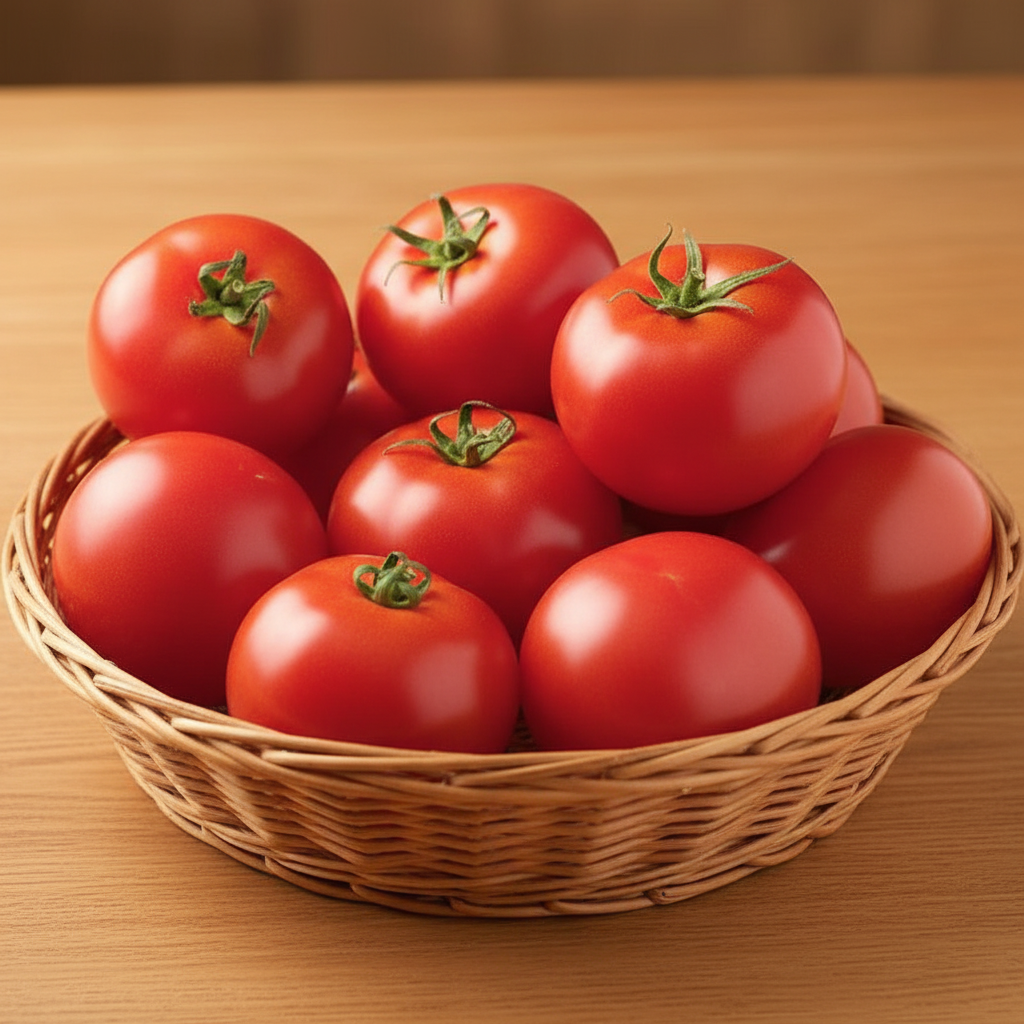
Amelia Organic Tomato is a modern hybrid/organic tomato variety bred for home gardens and container planting. Known for its consistent productivity, disease resistance, and flavorful, firm fruits — medium-to-large in size — this variety is a favourite among home gardeners seeking reliable yields without extensive maintenance. Compact and determinate, the plants stay manageable in size, making them ideal even for smaller spaces. With proper sun, soil, and care, Amelia tomatoes deliver a steady harvest suitable for fresh eating, cooking, and preserving.

Planting information
planting-season

Planting Season

Spring

fruit-size

Fruit Size

Medium

plant-height

Plant Height

60–120 cm

light-requirement

Light Requirement

Full Sun

water-needs

Water Needs

Moderate

hardiness-zones

Hardiness Zones

4–11

container-garden

Container Garden

Yes

plant-spacing

Plant Spacing

45–60 cm

planting-depth

Planting Depth

6 mm

growing-conditions

Growing Conditions

Warm

Coverage
Seed Count
Recommended Coverage
Seed Count
100
GTN
036000139112

Frequently Asked Questions

What does determinate growth mean for Amelia tomatoes?

Determinate tomatoes generally form a more compact plant and set much of their crop within a defined period. The listing identifies Amelia as determinate and 60–120 cm tall.

How can Amelia tomatoes be supported in containers?

Use a stake or tomato cage to support the stems and fruit. The listing recommends containers at least 12–15 inches deep and adequate support.

Why is crop rotation suggested for Amelia tomatoes?

Rotating the planting location each year can help reduce the buildup of some soil-borne disease organisms. It is a useful general practice for tomato growing.

When should Amelia tomatoes be picked for fresh use?

The page recommends harvesting when the tomatoes are fully red and firm. This timing is presented as suitable for flavor and storage.

Can Amelia tomatoes be grown where summers are warm?

Yes. The listing identifies warm growing conditions and recommends full sun, moderate watering, and fertile, well-drained soil.

What container depth is suitable for Amelia tomatoes?

The product page recommends a container at least 12–15 inches deep, with support for the stems and enough spacing for healthy growth.