



Life Cycle
Annual

Plant Characteristics
Large

Growth Habit
upright

Bloom Season
Summer

Flavour Profile
Mild

Suitable for
Outdoor

Seed Type
Open pollinated

Plant Type
Vegetable

Planting Season
Spring

Fruit Size
Large

Plant Height
60 to 90 cm

Light Requirement
Full sun

Water Needs
Moderate

Hardiness Zones
8 to 11

Container Garden
Yes

Plant Spacing
45 to 60 cm

Planting Depth
0.5 to 1 cm

Growing Conditions
Warm
Frequently Asked Questions
How can Ancho Gigantea peppers be dried after harvest?
How can Ancho Gigantea peppers be dried after harvest?
Harvest mature, healthy pods and dry them in a clean, well-ventilated setting or with a suitable food dehydrator. Ensure peppers are completely dry before storage.
Can Ancho Gigantea peppers be grown in raised beds?
Can Ancho Gigantea peppers be grown in raised beds?
Yes. Raised beds can provide warm, well-drained soil, which is useful for peppers. Choose a sunny position and maintain consistent moisture.
How does fruit maturity affect Ancho pepper appearance?
How does fruit maturity affect Ancho pepper appearance?
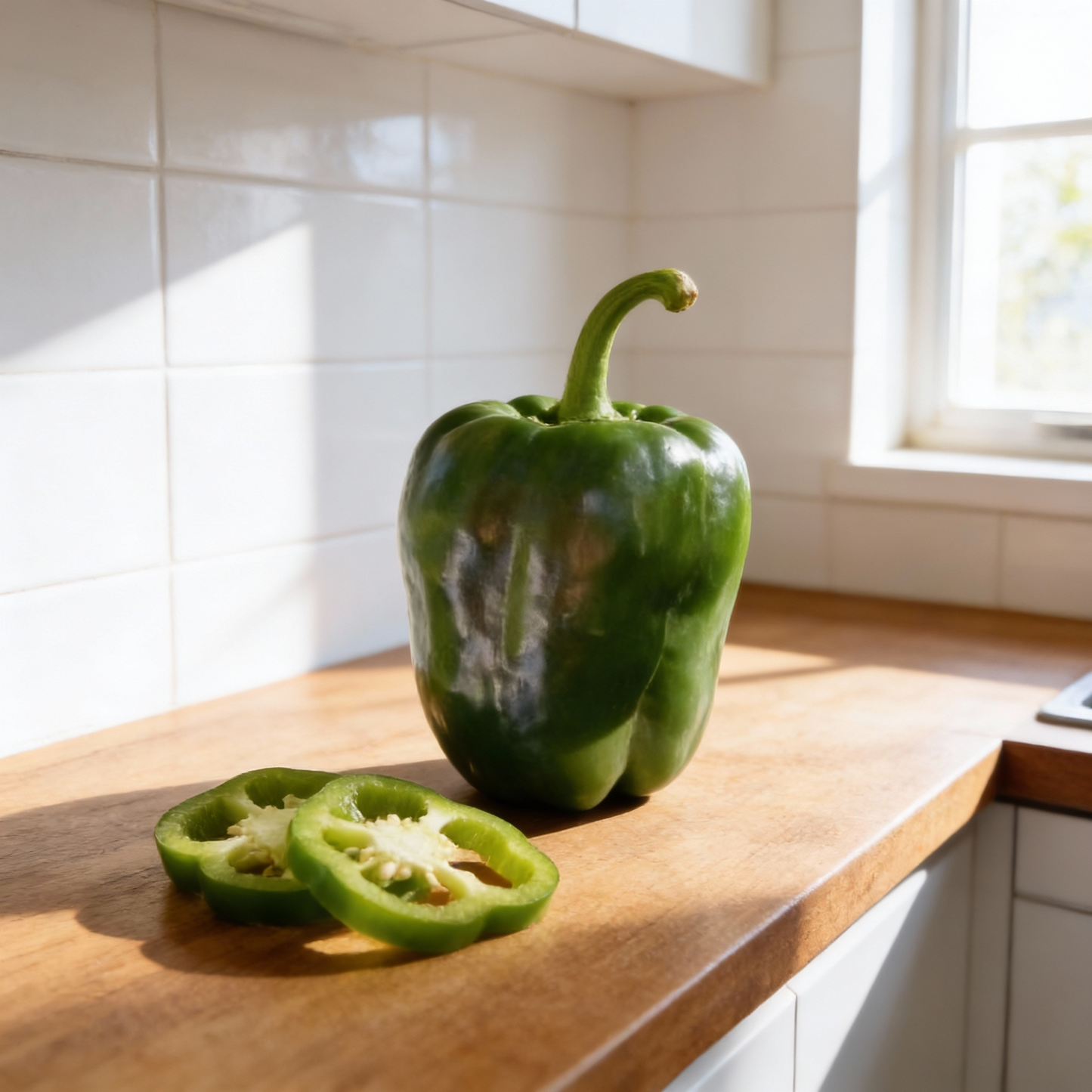
As peppers mature, their color can change from green toward deeper tones. Harvest timing can therefore affect the appearance and culinary use of the pods.
Why is staking sometimes useful for large pepper plants?
Why is staking sometimes useful for large pepper plants?
Supporting a productive plant can help keep stems upright when fruit weight increases. Use a soft tie and avoid damaging the stems.
Can this pepper be started in a seed tray?
Can this pepper be started in a seed tray?
Yes. Starting seeds in trays gives young plants a protected environment before transplanting them to a warm outdoor growing area.
How can gardeners reduce transplant shock in pepper seedlings?
How can gardeners reduce transplant shock in pepper seedlings?
Harden seedlings gradually before planting outdoors. Move them into outdoor conditions for increasing periods, then transplant after suitable warm weather arrives.