



Life Cycle
Perennial

Plant Characteristics
Snapdragon blooms

Growth Habit
Upright spreading

Bloom Season
Spring summer

Flavour Profile
Not edible

Suitable for
Outdoor

Planting Season
Spring

Fruit Size
Not applicable

Plant Height
30–50 cm

Light Requirement
Full Sun Partial Shade

Water Needs
Moderate

Hardiness Zones
7–10

Container Garden
Yes

Plant Spacing
25–30 cm

Planting Depth
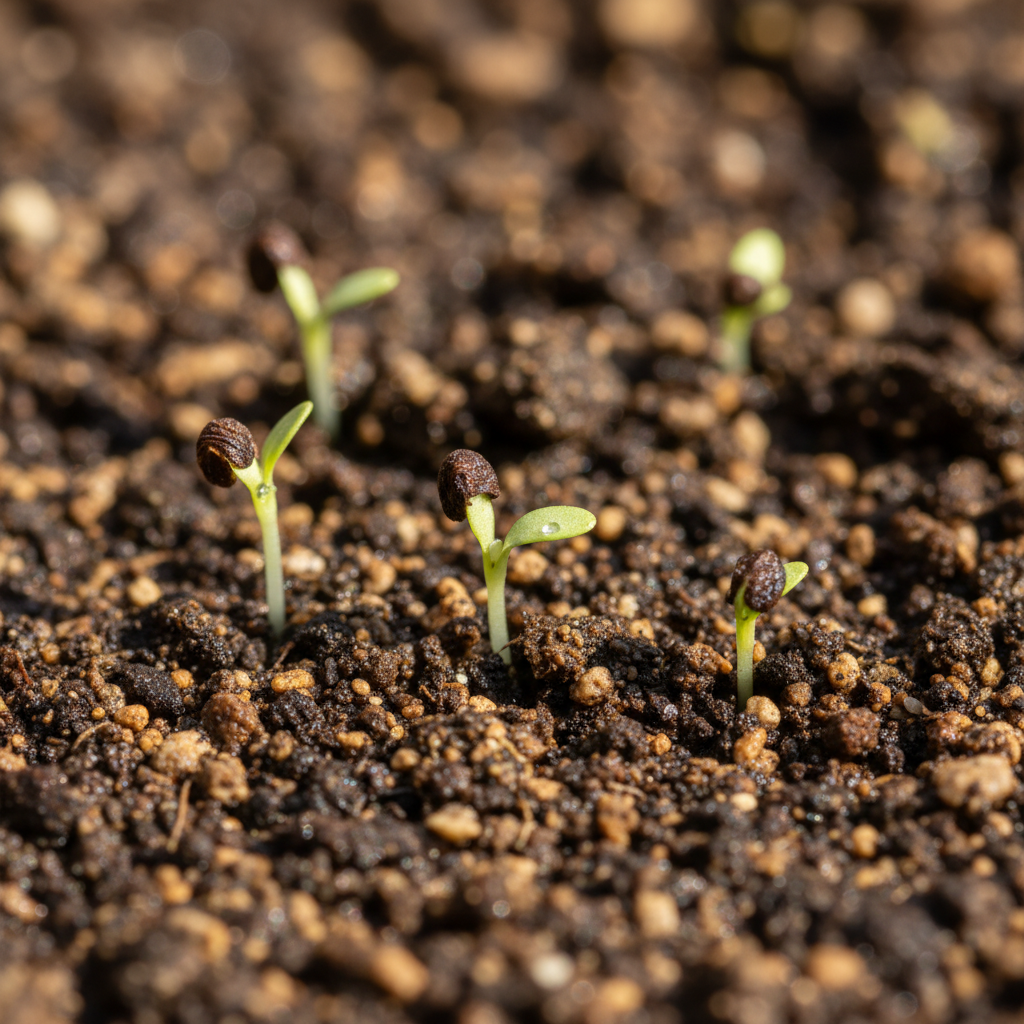
Surface sow

Growing Conditions
Well drained soil
Frequently Asked Questions
What makes Antirrhinum siculum different from common snapdragons?
What makes Antirrhinum siculum different from common snapdragons?
It is a perennial species with a naturally compact habit that suits alpine gardens and specialty perennial collections.
Can it be planted in rock crevices?
Can it be planted in rock crevices?
Yes. Well-drained rocky sites and alpine beds provide suitable growing conditions.
Which companion plants complement Antirrhinum siculum?
Which companion plants complement Antirrhinum siculum?
Aubrieta, saxifrages, dwarf dianthus, and creeping thyme create balanced alpine displays.
Does it remain compact as it matures?
Does it remain compact as it matures?
Yes. Plants generally maintain a neat form suitable for small ornamental spaces.
Can it be displayed in trough gardens?
Can it be displayed in trough gardens?
Yes. Compact growth makes it an excellent choice for alpine troughs and raised rock gardens.
Does decorative stone improve its presentation?
Does decorative stone improve its presentation?
Yes. Gravel or stone mulch highlights the flowers while supporting excellent drainage.