


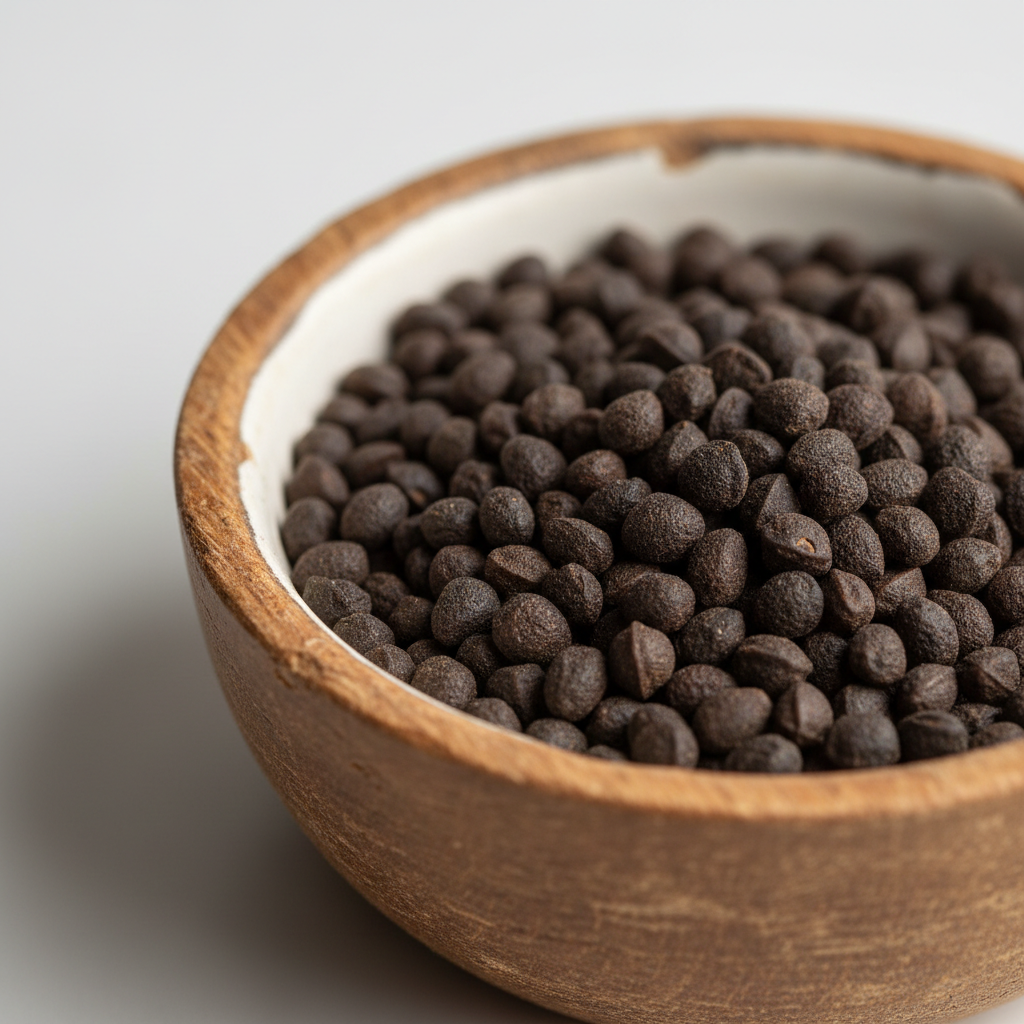

Life Cycle
Perennial

Plant Characteristics
Spring spikes

Growth Habit
Clump forming

Bloom Season
Spring

Flavour Profile
Not edible

Suitable for
Outdoor

Seed Type
Open Pollinated

Plant Type
Flowering Plant

Planting Season
Autumn

Fruit Size
Not applicable

Plant Height
15–25 cm

Light Requirement
Full Sun Partial Shade

Water Needs
Low

Hardiness Zones
4–8

Container Garden
Yes

Plant Spacing
10–15 cm

Planting Depth
Surface sow

Growing Conditions
Well drained soil
Frequently Asked Questions
How is Bellevalia dubia different from grape hyacinths?
How is Bellevalia dubia different from grape hyacinths?
Although related, it produces distinctive flower spikes with its own unique ornamental character.
Can it be planted with spring-flowering bulbs?
Can it be planted with spring-flowering bulbs?
Yes. It pairs beautifully with tulips, crocuses, and dwarf daffodils for layered spring displays.
Which garden styles suit Bellevalia?
Which garden styles suit Bellevalia?
Rock gardens, alpine beds, spring borders, and naturalized landscapes showcase its elegant blooms.
Does it perform well in sunny borders?
Does it perform well in sunny borders?
Yes. Bright locations with well-drained soil support healthy seasonal flowering.
Can it naturalize over time?
Can it naturalize over time?
Healthy plants may gradually establish attractive groups in suitable garden conditions.
Do the flowers attract pollinators?
Do the flowers attract pollinators?
Flowering spikes may attract bees and other beneficial pollinating insects during bloom.