


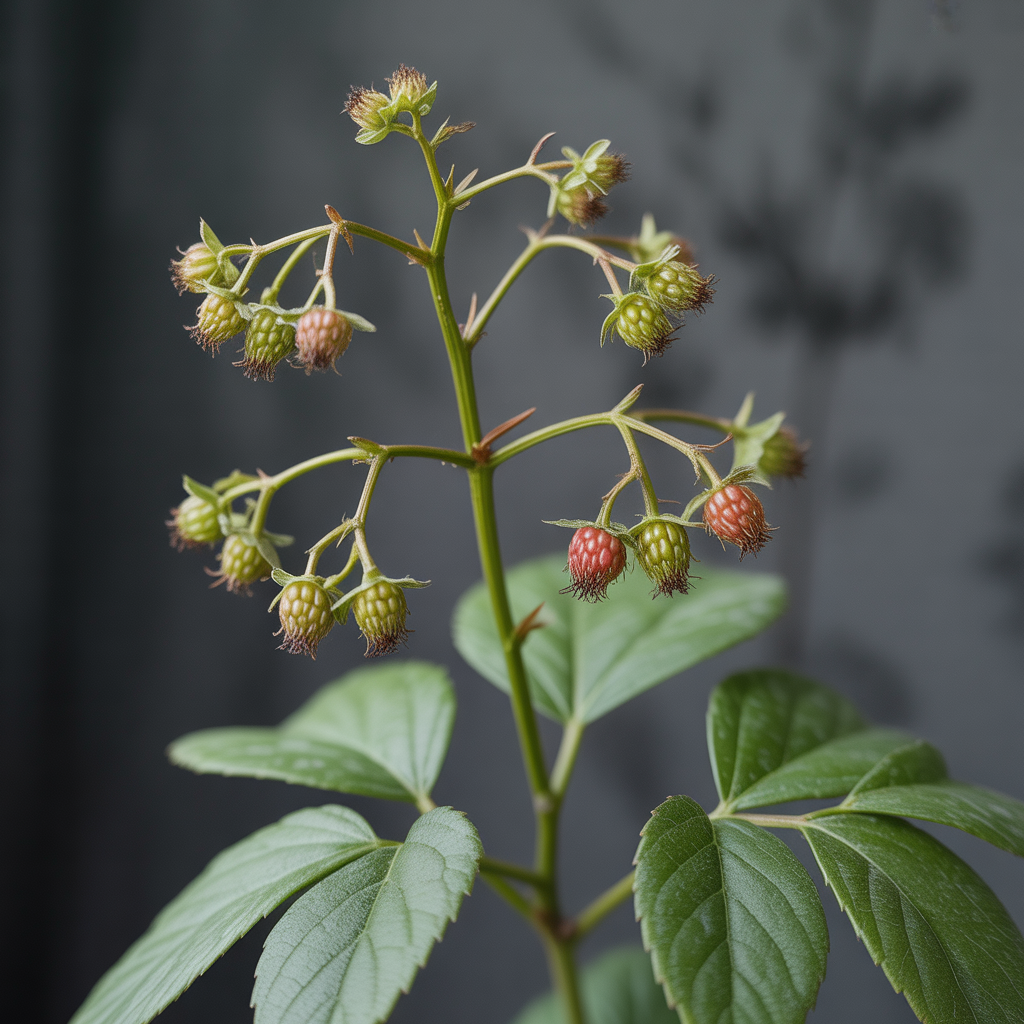

LIFE CYCLE
Perennial

PLANT CHARACTERISTICS
Fruiting

GROWTH HABIT
Bushy

BLOOM SEASON
Spring

FLAVOUR PROFILE
Sweet

SUITABLE FOR
out door

PLANTING SEASON
Spring

FRUIT SIZE
Small to medium

PLANT HEIGHT
1–4 feet

LIGHT REQUIREMENT
full sun

WATER NEEDS
Moderate

HARDINESS ZONES
5–10

CONTAINER GARDEN
Yes

PLANT SPACING
12–18 inches

PLANTING DEPTH
¼ inch

GROWING CONDITIONS
Fertile
Frequently Asked Questions
Can Mixed Berry plants produce a diverse assortment of colorful berries?
Can Mixed Berry plants produce a diverse assortment of colorful berries?
Yes. This seed mix is intended to produce a variety of berry-bearing plants, offering an attractive range of colors, shapes, and seasonal interest in the garden.
Do the flowers attract bees and other beneficial pollinators?
Do the flowers attract bees and other beneficial pollinators?
Yes. The blossoms provide nectar that attracts bees and other beneficial pollinating insects, supporting healthy pollination and fruit development.
Can Mixed Berry plants be grown in gardens or large containers?
Can Mixed Berry plants be grown in gardens or large containers?
Yes. Depending on the varieties included, they can be grown in garden beds, raised beds, orchards, and large containers with suitable growing conditions.
Will regular pruning help maintain healthy and productive plants?
Will regular pruning help maintain healthy and productive plants?
Yes. Light annual pruning helps improve air circulation, encourages vigorous new growth, and supports consistent fruit production for many berry varieties.
Can the ripe berries be enjoyed fresh or used in homemade recipes?
Can the ripe berries be enjoyed fresh or used in homemade recipes?
Yes. The ripe berries are excellent for fresh eating, smoothies, jams, jellies, pies, desserts, fruit salads, and many other homemade recipes.
How is a Mixed Berry Seed Collection different from a single berry variety?
How is a Mixed Berry Seed Collection different from a single berry variety?
A Mixed Berry Seed Collection contains seeds from multiple berry-producing plants, offering greater diversity in plant appearance, flowering, and fruit characteristics, while a single berry variety focuses on one specific species or cultivar with consistent growth and fruit traits.