


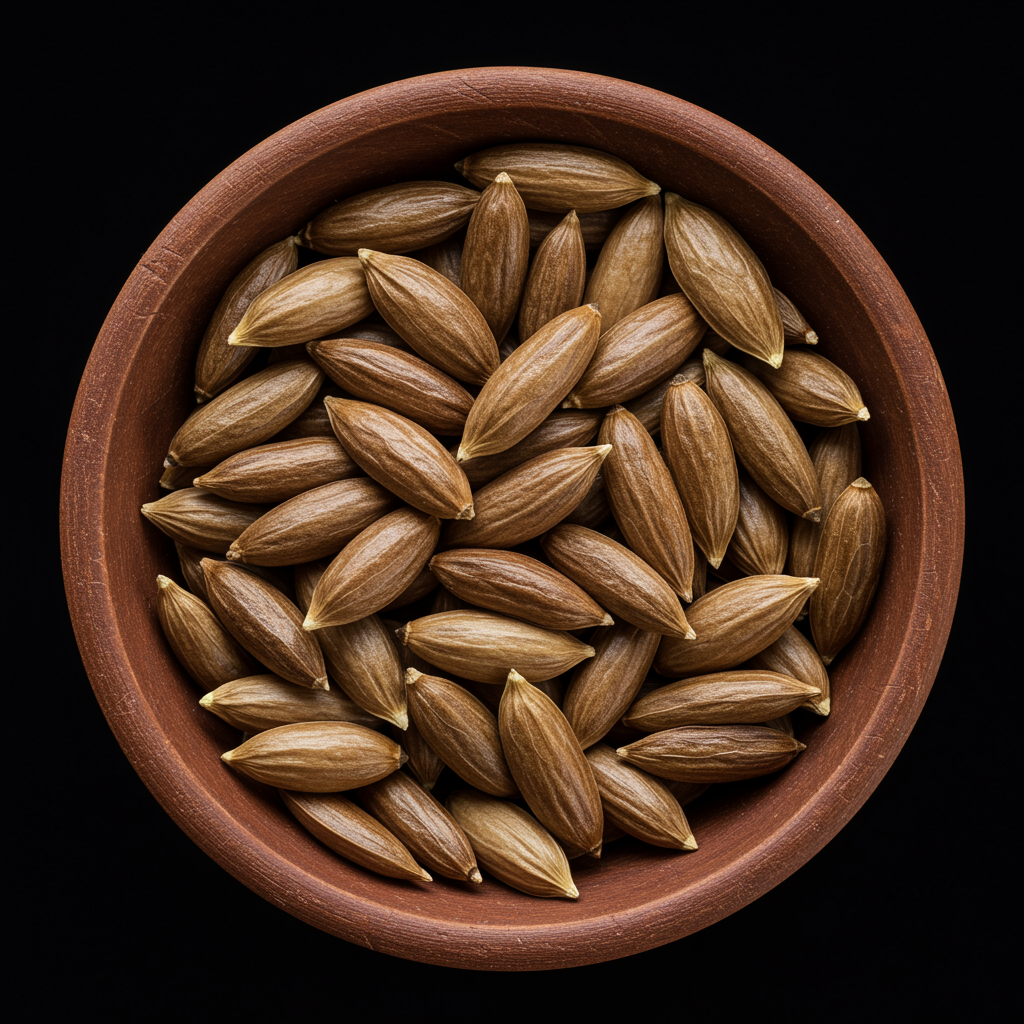

Life Cycle
Perennial

Plant Characteristics
Alpine spikes

Growth Habit
Clump forming

Bloom Season
Late spring

Flavour Profile
Not edible

Suitable for
Outdoor

Seed Type
Open Pollinated

Plant Type
Flowering Plant

Planting Season
Spring

Fruit Size
Not applicable

Plant Height
30–45 cm

Light Requirement
Full Sun

Water Needs
Moderate

Hardiness Zones
4–8

Container Garden
Yes

Plant Spacing
25–30 cm

Growing Conditions
Cool well drained soil
Frequently Asked Questions
What makes Besseya alpina different from other alpine flowering plants?
What makes Besseya alpina different from other alpine flowering plants?
Its compact growth habit and delicate flower spikes make it an excellent choice for alpine and rock gardens.
Can Besseya alpina be grown in rock gardens and alpine troughs?
Can Besseya alpina be grown in rock gardens and alpine troughs?
Yes, it thrives in rock gardens, alpine troughs, gravel beds, and other well-drained growing areas.
Will the attractive foliage provide interest beyond the flowering season?
Will the attractive foliage provide interest beyond the flowering season?
Yes, the neat basal foliage adds texture and ornamental appeal throughout much of the growing season.
Can Besseya alpina be planted between rocks and stone pathways?
Can Besseya alpina be planted between rocks and stone pathways?
Yes, its compact size makes it ideal for crevices, stone walls, and small garden spaces.
Do bees and other pollinators visit the flowers?
Do bees and other pollinators visit the flowers?
Yes, the blooms may attract bees and other beneficial pollinating insects.
Does this perennial return each growing season?
Does this perennial return each growing season?
Yes, healthy plants can produce fresh foliage and seasonal blooms year after year under suitable growing conditions.