



LIFE CYCLE
Perennial

PLANT CHARACTERISTICS
Hardy

GROWTH HABIT
Spreading

BLOOM SEASON
Summer

FLAVOUR PROFILE
Ornamental

SUITABLE FOR
Outdoor

PLANTING SEASON
Spring

FRUIT SIZE
N/A

PLANT HEIGHT
30–60 cm

LIGHT REQUIREMENT
Full sun

WATER NEEDS
Moderate

HARDINESS ZONES
Zones 4–8

CONTAINER GARDEN
NO

PLANT SPACING
30 CM

PLANTING DEPTH
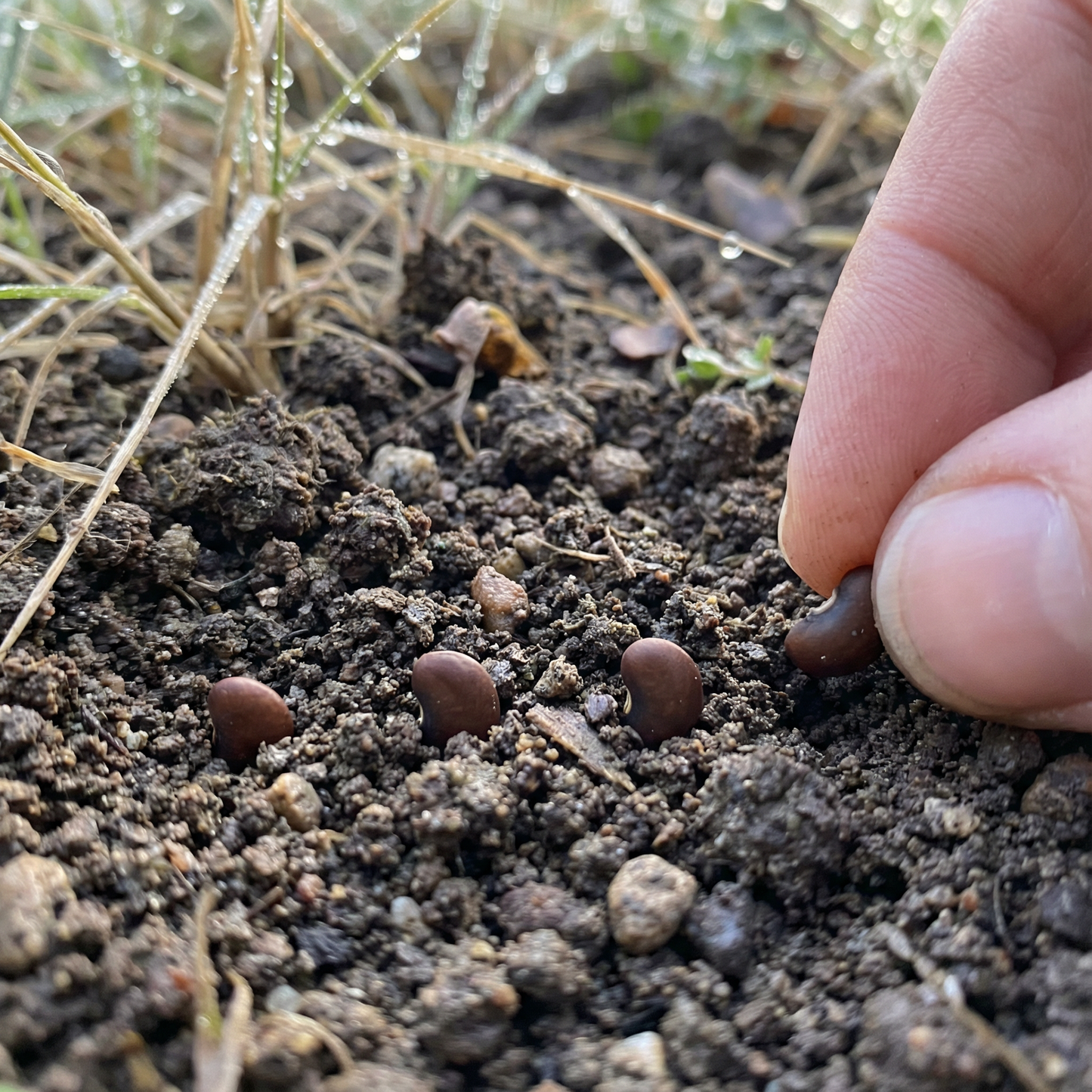
Surface sow

GROWING CONDITIONS
Well-drained soil
Frequently Asked Questions
How does Bird’s Foot Trefoil help with soil improvement?
How does Bird’s Foot Trefoil help with soil improvement?
It is described as soil-enriching and can contribute to ecological planting systems while forming a spreading perennial groundcover.
Can it be used to stabilize sloping garden areas?
Can it be used to stabilize sloping garden areas?
Yes. Its spreading growth and hardy perennial habit make it suitable for erosion-control plantings on appropriate well-drained sites.
Why is minimal fertilization recommended for this wildflower?
Why is minimal fertilization recommended for this wildflower?
Bird’s Foot Trefoil is adapted to relatively lean conditions, so heavy feeding is unnecessary once plants are established.
Can it be combined with other meadow flowers?
Can it be combined with other meadow flowers?
Yes. Its spreading habit and yellow summer flowers can complement grasses and other perennial wildflowers in meadow-style plantings.
What happens after Bird’s Foot Trefoil finishes flowering?
What happens after Bird’s Foot Trefoil finishes flowering?
Cutting the plant back after flowering is recommended to encourage healthy regrowth and keep the planting manageable.
Can it handle reduced watering after establishment?
Can it handle reduced watering after establishment?
Yes. Watering can be reduced once mature, although moderate moisture is useful during the establishment stage.