



LIFE CYCLE
Perennial

PLANT CHARACTERISTICS
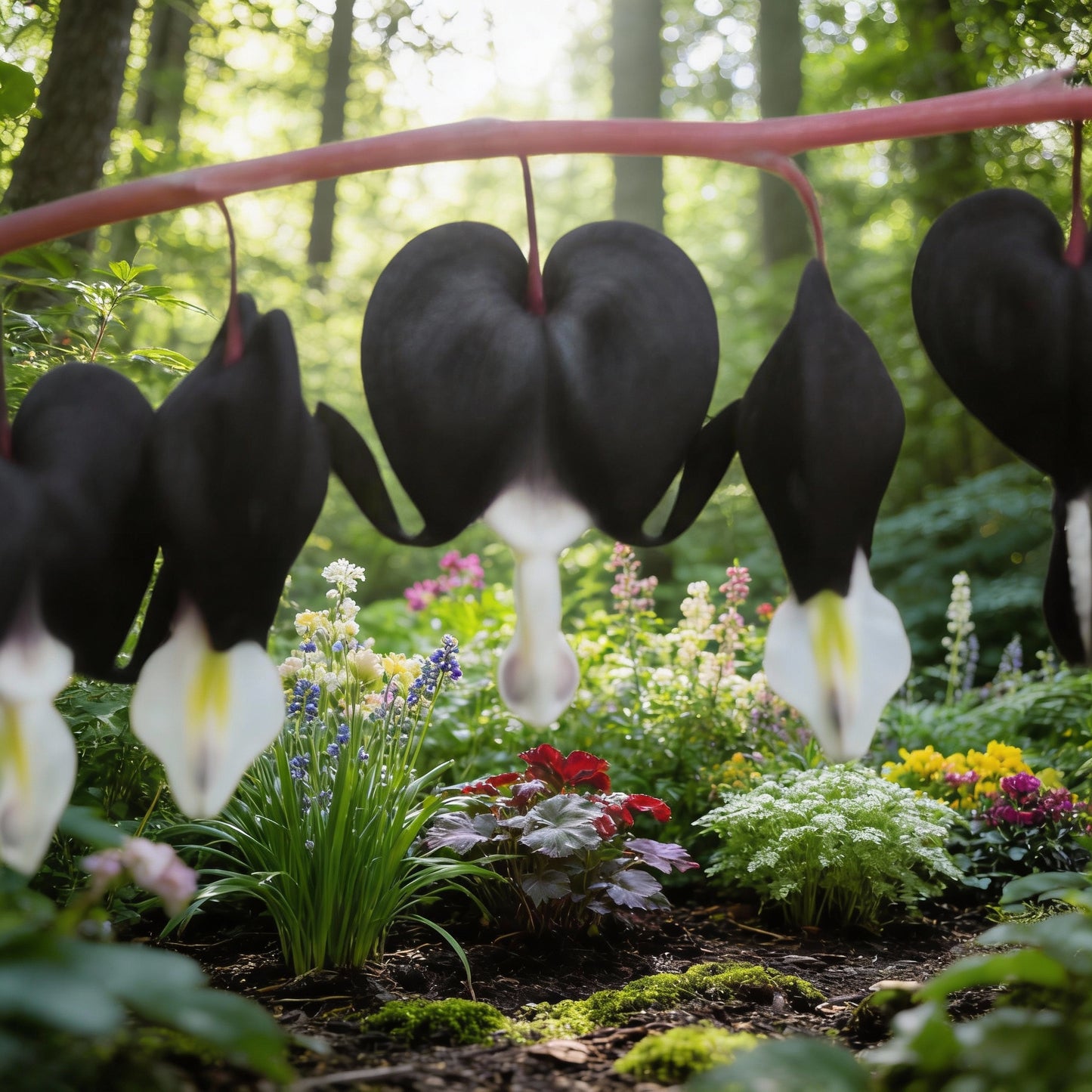
Heart-shaped blooms

GROWTH HABIT
Clump forming

BLOOM SEASON
Spring

FLAVOUR PROFILE
Ornamental

SUITABLE FOR
Outdoor

PLANTING SEASON
Winter

FRUIT SIZE
N/A

PLANT HEIGHT
60–90 cm

LIGHT REQUIREMENT
Partial shade

WATER NEEDS
Moderate

HARDINESS ZONES
USDA 3–9

CONTAINER GARDEN
Yes

PLANT SPACING
30–45 cm

PLANTING DEPTH
5–10 mm

GROWING CONDITIONS
Cool
Frequently Asked Questions
How is anise different from fennel?
How is anise different from fennel?
Anise and fennel are different plants. Anise is a smaller annual herb, while fennel is generally taller and perennial or biennial.
Can anise be grown successfully in containers?
Can anise be grown successfully in containers?
Yes. Anise can be grown in containers with adequate depth, full sun, drainage, and moderate watering.
What type of flowers does anise produce?
What type of flowers does anise produce?
Anise develops small flowers arranged in umbrella-shaped clusters before producing its aromatic seeds.
When should anise seeds be collected?
When should anise seeds be collected?
Allow the flower heads to dry and mature on the plant before collecting the seeds.
Does anise prefer warm growing conditions?
Does anise prefer warm growing conditions?
Yes. The product page recommends warm conditions and a sunny location for growth.
Why is direct sowing preferred for anise?
Why is direct sowing preferred for anise?
Anise develops a taproot and generally performs better when sown directly where it will grow.