



LIFE CYCLE
Annual

PLANT CHARACTERISTICS
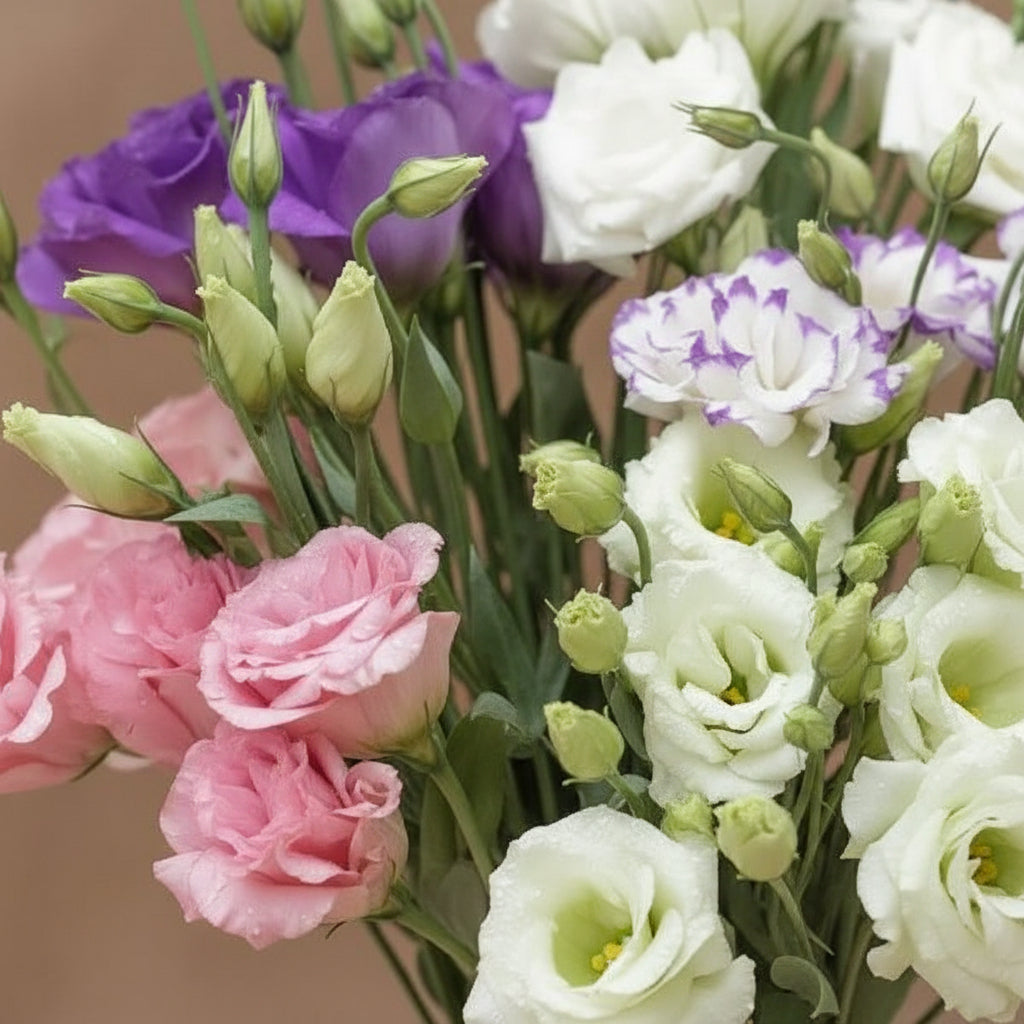
Rose-Like Blooms

GROWTH HABIT
Upright Growing

BLOOM SEASON
Spring

FLAVOUR PROFILE
Cut Flower

SUITABLE FOR
Outdoor

PLANTING SEASON
Spring

PLANT HEIGHT
FRUIT SIZE

PLANT HEIGHT
45–75 cm

LIGHT REQUIREMENT
Full Sun

WATER NEEDS
Moderate

HARDINESS ZONES
Zones 7–10

CONTAINER GARDEN
Yes

PLANT SPACING
20–30 cm

PLANTING DEPTH
Surface Sown

GROWING CONDITIONS
Well-Drained Soil
Frequently Asked Questions
What type of garden setting suits bleeding heart plants?
What type of garden setting suits bleeding heart plants?
A woodland-style or shaded ornamental garden is well suited to the natural growth preference associated with bleeding heart plants.
Does bleeding heart prefer direct afternoon sun?
Does bleeding heart prefer direct afternoon sun?
Bleeding heart generally performs better in partial or filtered shade than in intense direct afternoon sun.
What makes bleeding heart visually distinctive?
What makes bleeding heart visually distinctive?
Its pendant, heart-shaped flowers create a distinctive ornamental appearance that works well in shaded garden displays.
Can bleeding heart be combined with other shade plants?
Can bleeding heart be combined with other shade plants?
Yes. It can be incorporated into mixed perennial beds alongside compatible plants that prefer similar light conditions.
Is bleeding heart better suited to formal hedges?
Is bleeding heart better suited to formal hedges?
No. Its soft, arching floral form is more naturally suited to woodland, cottage and informal perennial plantings.
What garden role does bleeding heart provide?
What garden role does bleeding heart provide?
It adds seasonal floral interest and a distinctive flower shape to shaded ornamental planting areas.