



LIFE CYCLE
Perennial

PLANT CHARACTERISTICS
Early Bloomer

GROWTH HABIT
Low-growing

BLOOM SEASON
Early Spring

FLAVOUR PROFILE
Ornamental

SUITABLE FOR
Outdoor

PLANTING SEASON
Autumn

FRUIT SIZE
N/A

PLANT HEIGHT
10–15 cm

LIGHT REQUIREMENT
Partial Shade

WATER NEEDS
Moderate

HARDINESS ZONES
4–8

CONTAINER GARDEN
Yes

PLANT SPACING
20–30 cm

PLANTING DEPTH
Surface sow

GROWING CONDITIONS
Well-drained soil
Frequently Asked Questions
Can Blue Hepatica produce delicate blue flowers in early spring?
Can Blue Hepatica produce delicate blue flowers in early spring?
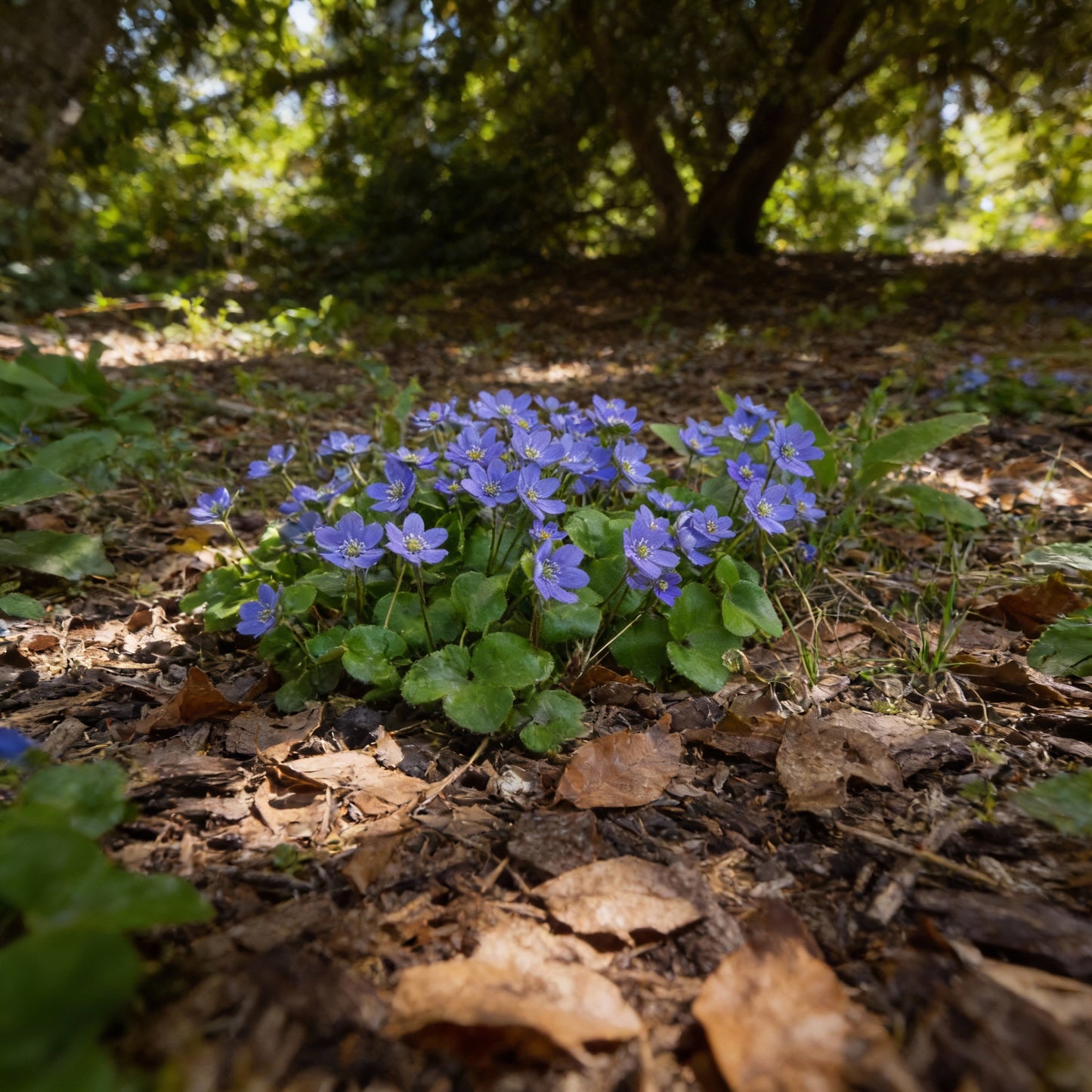
Yes. Blue Hepatica is admired for its charming blue blossoms that appear early in the season, bringing welcome color to woodland and shaded gardens.
Do the evergreen leaves provide year-round ornamental interest?
Do the evergreen leaves provide year-round ornamental interest?
Yes. Its attractive, leathery evergreen foliage remains decorative long after flowering, adding texture throughout much of the year.
Can Blue Hepatica be grown in woodland gardens or shaded borders?
Can Blue Hepatica be grown in woodland gardens or shaded borders?
Yes. It performs well in woodland gardens, shaded borders, rock gardens, and perennial beds with fertile, well-drained soil rich in organic matter.
Will removing faded flowers help maintain a tidy appearance?
Will removing faded flowers help maintain a tidy appearance?
Yes. Deadheading spent blooms helps keep the plants neat and allows energy to support healthy foliage growth.
Can the flowers attract bees and other early-season pollinators?
Can the flowers attract bees and other early-season pollinators?
Yes. The early blooms provide a valuable nectar source for bees and other beneficial pollinating insects emerging in spring.
How is Blue Hepatica different from Wood Anemone?
How is Blue Hepatica different from Wood Anemone?
Blue Hepatica (Hepatica nobilis) produces long-lasting blue, star-like flowers above distinctive three-lobed evergreen leaves, while Wood Anemone (Anemone nemorosa) bears white, occasionally pink or pale blue flowers with deeply divided foliage that typically dies back after flowering.