



Life Cycle
Perennial

Plant Characteristics
Aromatic broad leaves

Growth Habit
Bushy

Bloom Season
Late Spring–Summer

Flavour Profile
Warm

Suitable for
Indoor & Outdoor

Seed Type
Open-pollinated

Plant Type
Culinary

Planting Season
Spring

Fruit Size
Small seeds

Plant Height
40–60 cm

Light Requirement
Full Sun

Water Needs
Low–Moderate

Hardiness Zones
5–9

Container Garden
Yes

Plant Spacing
40–50 cm

Planting Depth
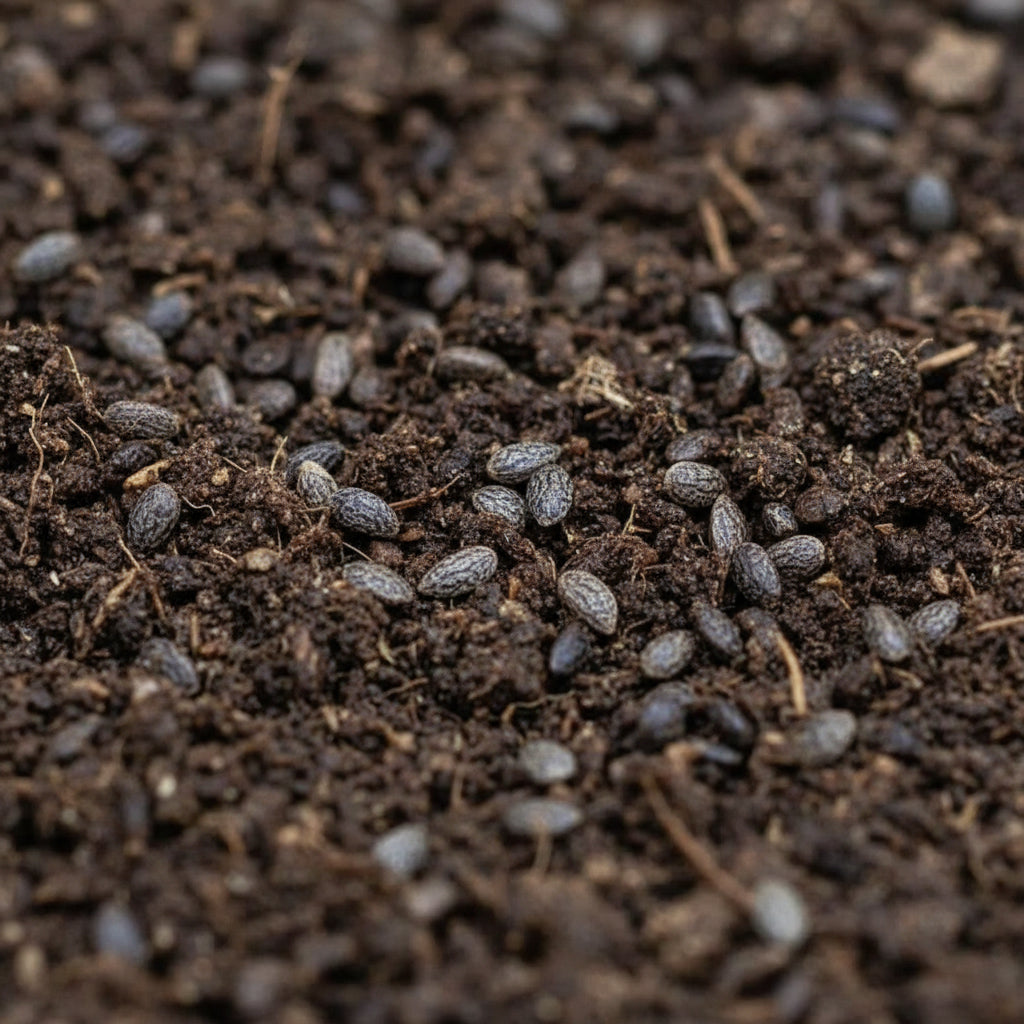
Surface sow

Growing Conditions
Well-drained soil
Frequently Asked Questions
When should broadleaf sage leaves be harvested?
When should broadleaf sage leaves be harvested?
Leaves can be harvested once plants are well established. Pick individual leaves or small stems as needed before or during early flowering.
Can broadleaf sage be grown indoors?
Can broadleaf sage be grown indoors?
Yes. Container growing is possible indoors when the plant receives strong light, good airflow, and a well-drained growing medium.
How can sage become bushier?
How can sage become bushier?
Regular light harvesting or trimming encourages branching. Avoid removing excessive foliage from young plants before they are established.
Why does sage prefer well-drained soil?
Why does sage prefer well-drained soil?
Sage roots perform better when excess moisture drains away. Waterlogged soil can create unfavorable root conditions.
Can broadleaf sage be grown beside other herbs?
Can broadleaf sage be grown beside other herbs?
Yes. It can be included in mixed herb gardens with plants that have similar light and drainage requirements.
How should sage be managed during wet weather?
How should sage be managed during wet weather?
Reduce supplemental watering during rainy periods and ensure the growing area drains freely to prevent prolonged soil saturation.