



Life Cycle
Perennial

Plant Characteristics
Red blooms

Growth Habit
Upright

Bloom Season
Summer

Flavour Profile
Not edible

Suitable for
Outdoor

Seed Type
Open Pollinated

Plant Type
Flowering Plant

Planting Season
Spring

Fruit Size
Not applicable

Plant Height
60–90 cm

Light Requirement
Full Sun

Water Needs
Low Moderate

Hardiness Zones
4–9

Container Garden
Yes

Plant Spacing
30–45 cm

Planting Depth
1–2 cm

Growing Conditions
Well drained soil
Frequently Asked Questions
Can Butterfly Weed thrive in dry, sunny gardens?
Can Butterfly Weed thrive in dry, sunny gardens?
Yes. Once established, Butterfly Weed performs well in full sun and well-drained soil, making it suitable for drought-tolerant landscapes.
Is Butterfly Weed a host plant for monarch butterflies?
Is Butterfly Weed a host plant for monarch butterflies?
Yes. It serves as a larval host plant for monarch butterflies while also providing nectar for butterflies, bees, and other pollinators.
Can Butterfly Weed be left undisturbed after planting?
Can Butterfly Weed be left undisturbed after planting?
Yes. It develops a deep taproot and generally grows best when left in place rather than transplanted after establishment.
Will Butterfly Weed produce decorative seed pods?
Will Butterfly Weed produce decorative seed pods?
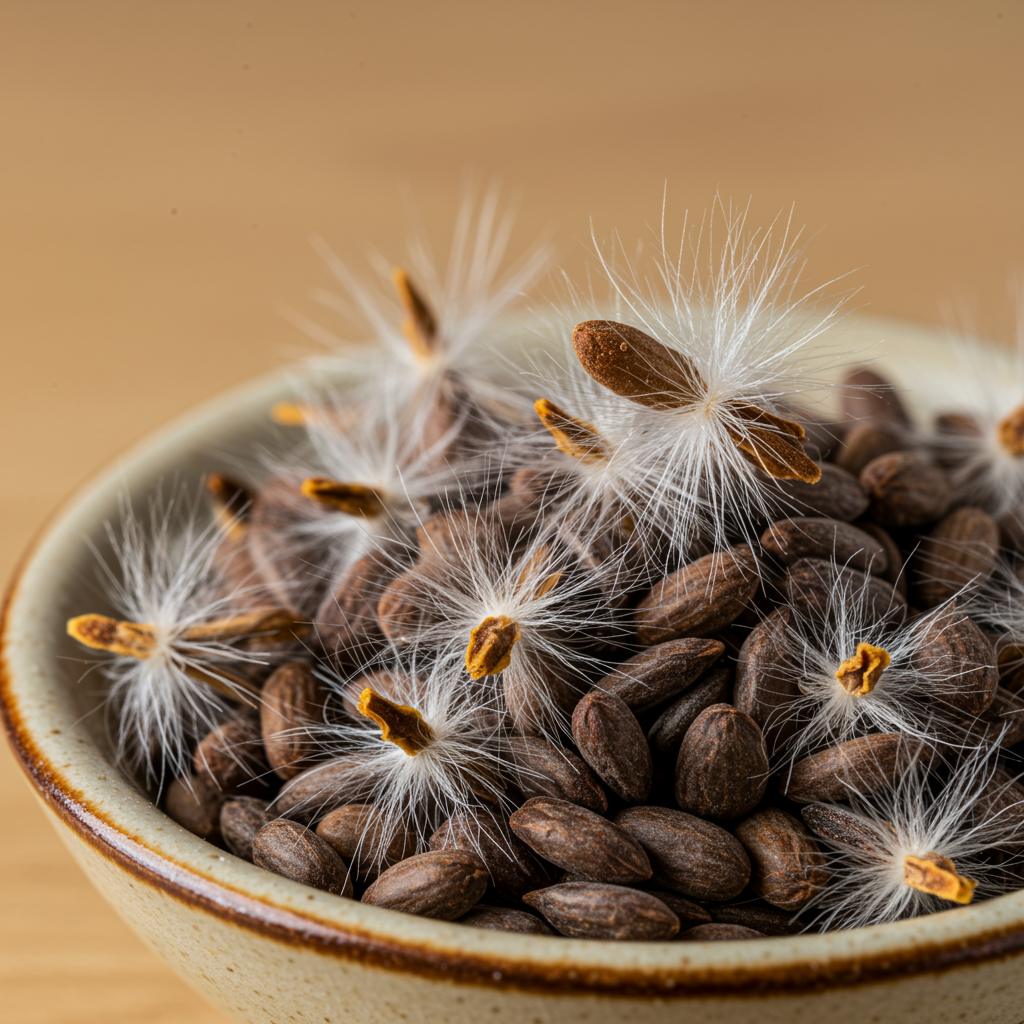
Yes. After flowering, the plant forms elongated seed pods that mature and naturally release silky seeds.
Is Butterfly Weed suitable for naturalized meadow gardens?
Is Butterfly Weed suitable for naturalized meadow gardens?
Yes. It is commonly used in wildflower meadows, pollinator gardens, and naturalized landscapes because of its upright habit and colorful blooms.
Should Butterfly Weed be planted where pets and children cannot ingest it?
Should Butterfly Weed be planted where pets and children cannot ingest it?
Yes. Like other milkweeds, it contains naturally occurring compounds that may cause discomfort if ingested, so supervised placement is recommended.