Skip to product information
1 of 4

Wildflower Seeds for Planting - Bee and Butterfly Mix

Wildflower Seeds for Planting - Bee and Butterfly Mix

Regular price $16.99 USD
Regular price Sale price $16.99 USD
Sale Sold out
Quantity

How to Sow and Plant

Prepare a bare, weed-free seedbed: remove existing vegetation, loosen topsoil, rake to fine tilth

Mix the seeds with an inert carrier (e.g. fine sand) — this helps scatter very small seeds more evenly.

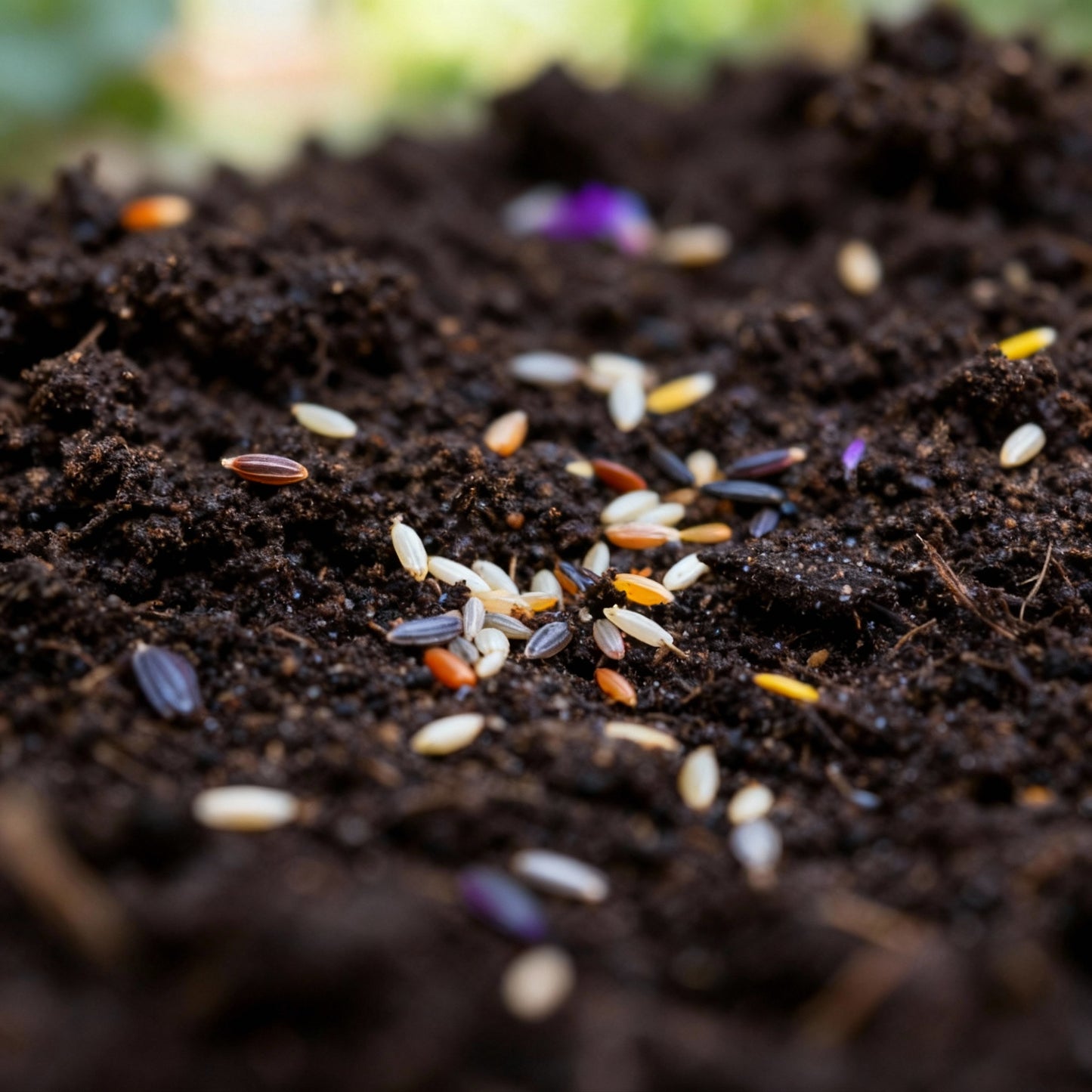
Broadcast the seed mix evenly over the prepared soil — walk over the area once north-south, then east-west for uniform coverage.

Lightly press or roll the seeds into contact with soil — do not bury deeply; wildflower seeds need light or light cover to germinate.

How to Grow

Once established, wildflower patches generally require minimal maintenance — no need for regular fertiliser or heavy watering; many species thrive on poor-to-average soils.

If weeds emerge, remove them carefully — wildflowers don’t compete well with vigorous weeds early on.

Let flowers go to seed naturally; avoid over-mowing; this supports reseeding and sustaining the meadow long-term.

Tips

Choose a sunny to partly sunny site — most wildflower species prefer good light.

Avoid very rich, fertilised soil — wildflowers often do best in poor to moderately fertile soil (fertile soil favours aggressive weeds).

Mix seeds with sand or fine carrier for even distribution — this helps you avoid clumping and patches.

Water gently at first, then reduce watering once plants are established — many wildflower species are drought-tolerant.

View full details
About
Product Information
Features
life-cycle

LIFE CYCLE

Annual + Perennial Mix

plant-characteristics

PLANT CHARACTERISTICS

Vibrant

growth-habit

GROWTH HABIT

Spreading

bloom-season

BLOOM SEASON

Summer

flavour-profile

FLAVOUR PROFILE

Nectarous

suitable-for

SUITABLE FOR

Outdoor

About
Wildflower Seeds for Planting - Bee and Butterfly Mix
seed-type

SEED TYPE

Mixed

plant-type

PLANT TYPE

Wildflower

This wildflower seed mix is intended to make gardening easy: instead of planting multiple species individually, the mix offers a balanced blend that grows into a colourful, varied patch of flowers that attract pollinators and wildlife. It’s designed for gardeners who want low-maintenance, naturalistic planting — perfect for lawn replacements, wildflower meadows, border edges, slopes or wildlife-friendly gardens.

Planting information
planting-season

PLANTING SEASON

Spring

fruit-size

FRUIT SIZE

N/A

plant-height

PLANT HEIGHT

Varied

light-requirement

LIGHT REQUIREMENT

Full Sun

water-needs

WATER NEEDS

Moderate

hardiness-zones

HARDINESS ZONES

Zones 3–9

container-garden

CONTAINER GARDEN

Yes

plant-spacing

PLANT SPACING

Broadcast

planting-depth

PLANTING DEPTH

Surface

growing-conditions

GROWING CONDITIONS

Sunny

Coverage
Seed Count
Recommended Coverage
SEED COUNT
100
GTIN
036000194272

Frequently Asked Questions

Can a Buzzing Gardens Wildflower Mix be planted along a sunny garden border?

Yes, a mixed wildflower planting can create a colorful informal edge while providing varied flower shapes and heights

How can the wildflower mix be incorporated into a pollinator-friendly garden?

Planting a diverse mix of flowering species can provide a range of blooms and create a varied habitat for bees, butterflies, and other garden visitors

Can Buzzing Gardens Wildflower Mix be combined with ornamental grasses?

Yes, grasses can provide contrasting foliage and structure around the seasonal wildflower blooms

How can the mix be used in a naturalized garden area?

Allowing different species to grow together can create an informal meadow-like appearance with varied colors and plant heights

Can the wildflower mix be planted near a vegetable garden?

Yes, a flowering border can add visual variety around edible garden areas while providing flowering plants near the growing space

How can the planting be maintained after flowering?

Removing unwanted growth while leaving selected mature flower heads can help preserve the natural appearance and allow some plants to produce seeds for future growth