



Life Cycle
Annual

Plant Characteristics
sweet leaves

Growth Habit
Compact

Bloom Season
Spring

Flavour Profile
Mild

Suitable for
Indoor / Outdoor

Seed Type
Hybrid F1

Plant Type
Vegetable

Planting Season
Early spring

Fruit Size
Medium

Plant Height
30–45 cm

Light Requirement
Full sun

Water Needs
Moderate

Hardiness Zones
3–10

Container Garden
Yes

Plant Spacing
30–45 cm

Planting Depth
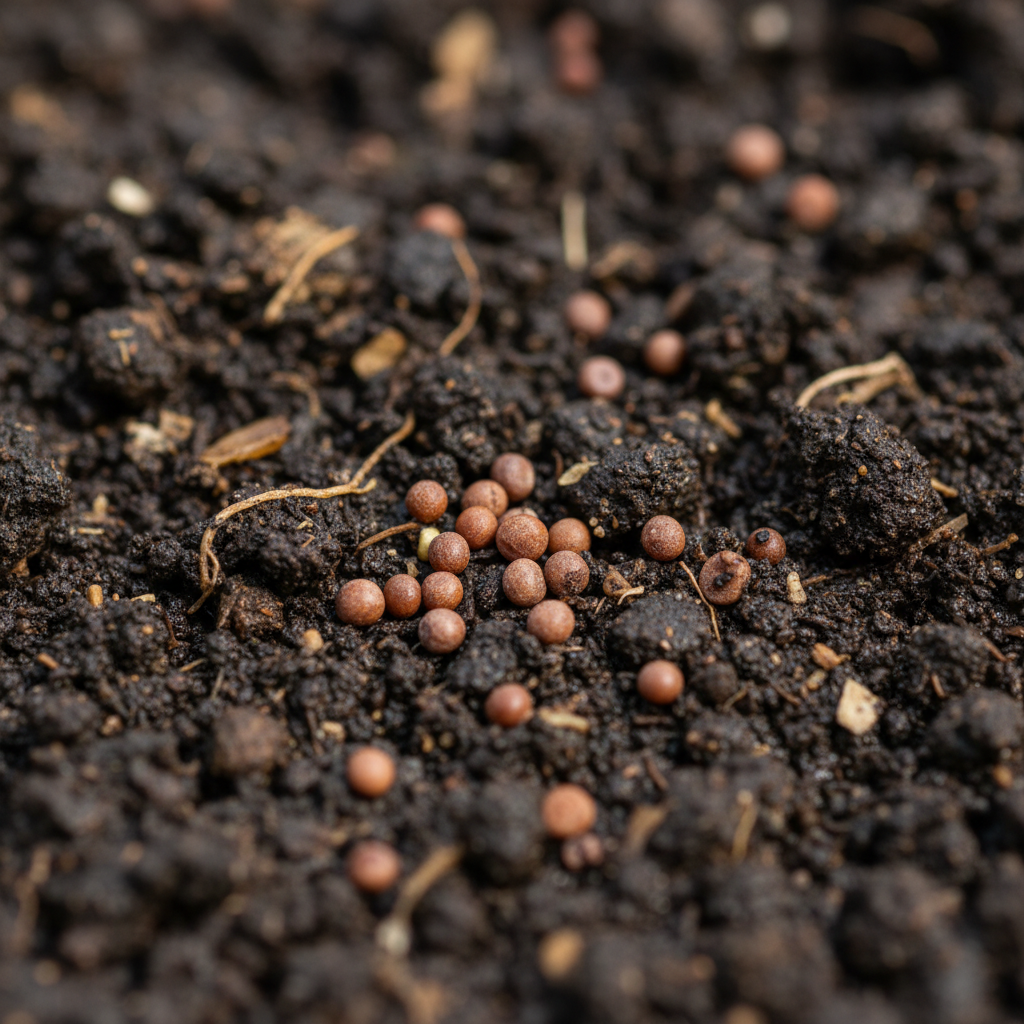
6–12 mm

Growing Conditions
Well-drained
Frequently Asked Questions
What makes Duncan F1 suitable for smaller vegetable gardens?
What makes Duncan F1 suitable for smaller vegetable gardens?
Its compact growth habit and 30–45 cm spacing make it practical for raised beds, smaller garden plots, and container growing.
Can Duncan F1 cabbage be harvested as young greens?
Can Duncan F1 cabbage be harvested as young greens?
Yes. The leaves can be harvested while young for tender greens, or plants can be allowed to develop firmer, denser heads.
How does Duncan F1 cabbage fit into succession planting?
How does Duncan F1 cabbage fit into succession planting?
Its early-season growth allows gardeners to plan successive plantings, helping spread cabbage harvests across different growing periods.
What type of container works for Duncan F1 cabbage?
What type of container works for Duncan F1 cabbage?
Choose a container with adequate depth, drainage holes, and enough width for about 30–45 cm of plant spacing. Keep the growing medium fertile and evenly moist.
How can cabbage heads be protected from splitting?
How can cabbage heads be protected from splitting?
Maintain consistent soil moisture and avoid letting plants experience long dry periods followed by heavy watering. Harvest firm heads promptly when mature.
Can Duncan F1 cabbage be grown alongside other brassicas?
Can Duncan F1 cabbage be grown alongside other brassicas?
It can be included in a brassica garden, but rotating cabbage-family crops between growing areas helps reduce the buildup of soil-related pests and diseases.