



Life Cycle
Biennial

Plant Characteristics
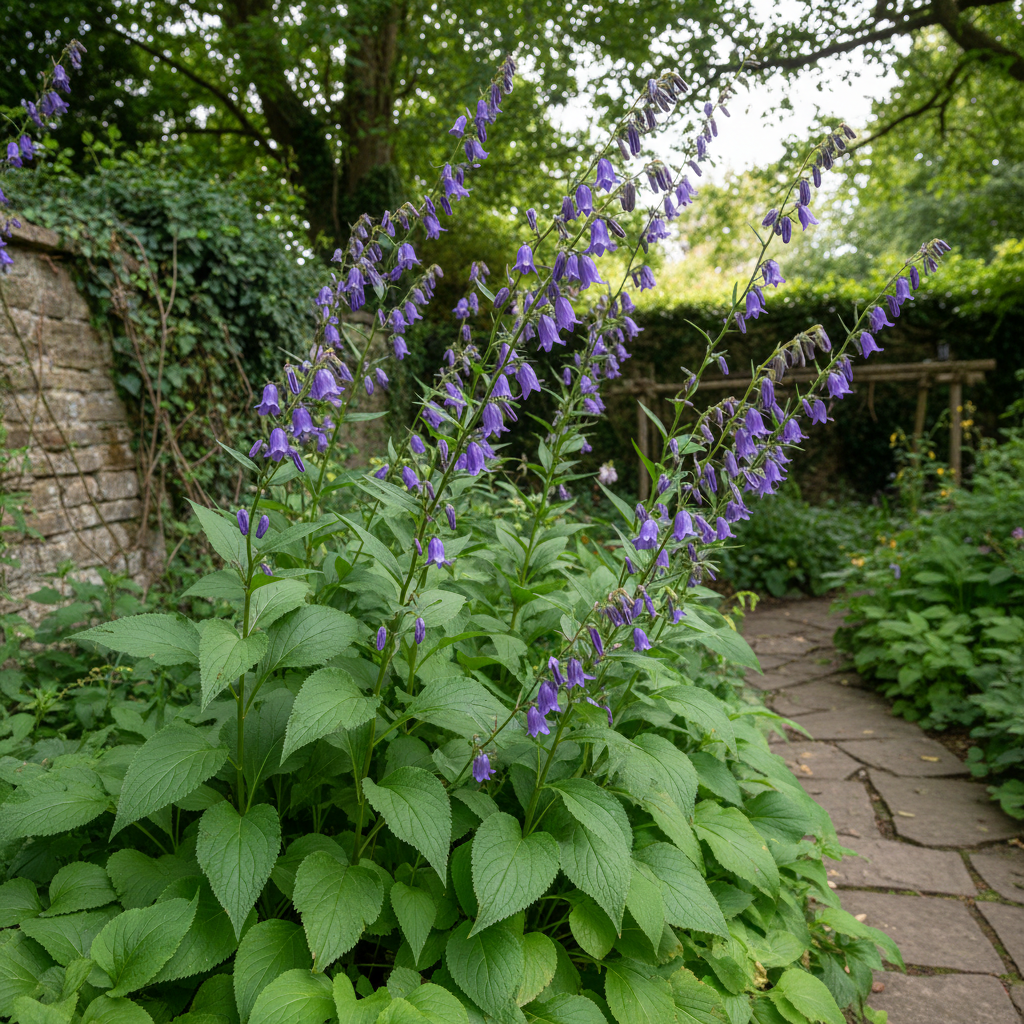
Bell-shaped blooms

Growth Habit
Upright stems

Bloom Season
Late Spring

Flavour Profile
Ornamental

Suitable for
Outdoor

Seed Type
Seed Type Flowering

Plant Type
Perennial

Planting Season
Early Spring

Fruit Size
N/A

Plant Height
24–36 inches

Light Requirement
Full Sun

Water Needs
Moderate

Hardiness Zones
4–10

Container Garden
Yes

Plant Spacing
12–18 inches

Planting Depth
Lightly pressed

Growing Conditions
Fertile
Frequently Asked Questions
Why are these flowers called Cup and Saucer bells?
Why are these flowers called Cup and Saucer bells?
The layered flower shape resembles a cup resting on a saucer, giving the variety its common name.
Can Canterbury Bells be planted in cottage gardens?
Can Canterbury Bells be planted in cottage gardens?
Yes. Their upright flower spikes fit naturally into cottage-style borders and mixed flower beds.
Which flowers pair well with Canterbury Bells?
Which flowers pair well with Canterbury Bells?
Foxgloves, delphiniums, lupins, daisies, and roses create classic cottage garden displays.
Do tall flower stems benefit from support?
Do tall flower stems benefit from support?
Yes. In exposed locations, staking may help keep taller stems upright.
Can Canterbury Bells be used as cut flowers?
Can Canterbury Bells be used as cut flowers?
Yes. Their long stems make them suitable for fresh floral arrangements.
Do Canterbury Bells attract beneficial insects?
Do Canterbury Bells attract beneficial insects?
The blooms may attract bees and other pollinating insects throughout the flowering season.