



LIFE CYCLE
Annual flowering plant

PLANT CHARACTERISTICS
Low to medium growth

GROWTH HABIT
Bushy

BLOOM SEASON
summer

FLAVOUR PROFILE
Ornamental

SUITABLE FOR
Outdoor planting

SEED TYPE
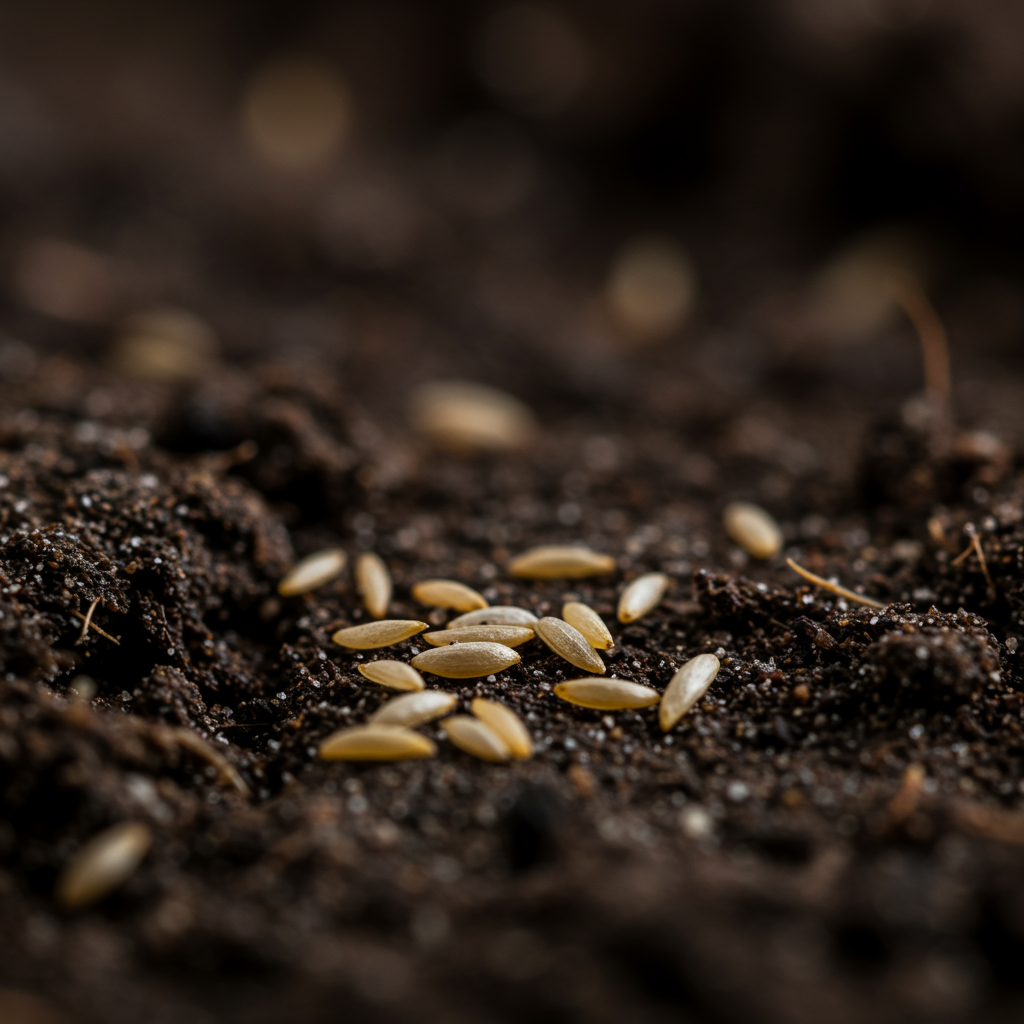
Premium ornamental flower seeds

PLANT TYPE
Flowering annual ornamental plant.

CONTAINER GARDEN
Yes

PLANTING SEASON
Spring / Early Summer

FRUIT SIZE
N/A

PLANT HEIGHT
15–30 cm

LIGHT REQUIREMENT
Full sun to partial shade

WATER NEEDS
Moderate

HARDINESS ZONES
Zones 3–9

PLANT SPACING
15–30 cm

PLANTING DEPTH
1/8
CONTAINER GARDEN
sunny exposure
Frequently Asked Questions
What do the pure white flowers of Iberis amara look like in clusters?
What do the pure white flowers of Iberis amara look like in clusters?
They form neat flat-topped or rounded heads of small white blooms that create a clean crisp mass of color above the bushy foliage
Can this compact candytuft serve as a bright white accent in mixed borders?
Can this compact candytuft serve as a bright white accent in mixed borders?
Yes the 15–30 cm height and pure white clusters provide strong contrast against darker or colorful neighbors without overwhelming the front of a border
Is the plant well suited to rock gardens and tight spaces?
Is the plant well suited to rock gardens and tight spaces?
Its low bushy habit and moderate size fit neatly into rockeries crevices and small gaps where drainage is good and the white blooms stand out
Do the flower stems work for cutting and floral displays?
Do the flower stems work for cutting and floral displays?
The clusters hold well when cut and can be used in small arrangements or mixed bouquets for a simple pure white element
Is scarifying the seeds necessary for good germination?
Is scarifying the seeds necessary for good germination?
Scarification is optional and may help some seeds but many gardeners achieve solid results by sowing at shallow depth without extra treatment
Will the plants attract pollinators even in smaller plantings?
Will the plants attract pollinators even in smaller plantings?
The white flower clusters draw bees and butterflies making even modest groups useful for supporting beneficial insects in sunny or lightly shaded spots