



LIFE CYCLE
Perennial

PLANT CHARACTERISTICS
Fast growing

GROWTH HABIT
Bushy spreading

BLOOM SEASON
Spring to Summer

FLAVOUR PROFILE
Sweet Tangy

SUITABLE FOR
out door

SEED TYPE
Open Pollinated

PLANT TYPE
Fruiting Shrub

PLANTING SEASON
spring

FRUIT SIZE
small

PLANT HEIGHT
2–4 feet

LIGHT REQUIREMENT
Full Sun

WATER NEEDS
modrate

HARDINESS ZONES
USDA Zones 8–11

CONTAINER GARDEN
yes

PLANT SPACING
2–3 feet

PLANTING DEPTH
0.5–1 cm
Frequently Asked Questions
Why are cape gooseberries surrounded by papery husks?
Why are cape gooseberries surrounded by papery husks?
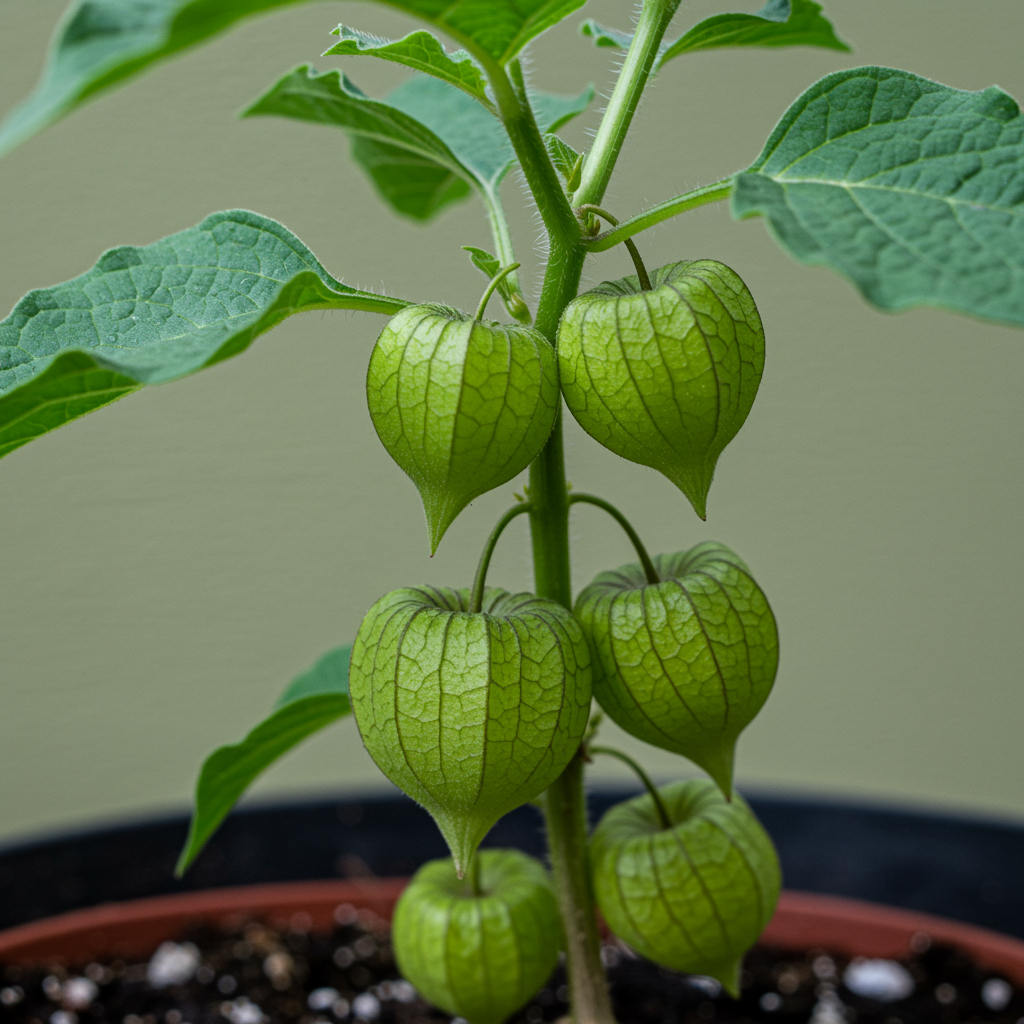
The fruit develops inside a distinctive papery calyx, which protects the berry as it matures and gives the plant its characteristic appearance.
Can cape gooseberry plants be grown in containers?
Can cape gooseberry plants be grown in containers?
Yes. Container growing is suitable when the plant has adequate root space, good drainage and plenty of sunlight.
How do I know when cape gooseberries are mature?
How do I know when cape gooseberries are mature?
Mature berries generally develop a golden-orange color and can naturally fall from the plant while enclosed in their papery husks.
Does cape gooseberry need support as it grows?
Does cape gooseberry need support as it grows?
Support can be useful because the plant develops branching growth and fruit-bearing stems. A small stake or cage can help organize the plant.
Can cape gooseberry plants be grown as annuals?
Can cape gooseberry plants be grown as annuals?
In cooler regions they are commonly grown as annuals, while in suitable warm climates they may continue growing for longer periods.
What makes cape gooseberry different from a regular gooseberry?
What makes cape gooseberry different from a regular gooseberry?
Cape gooseberry is Physalis peruviana and is not the same plant as traditional gooseberry species. Its fruit develops inside a papery husk.