



Life Cycle
Perennial

Plant Characteristics
Smooth

Growth Habit
Shrubby

Bloom Season
Spring

Flavour Profile
Ornamental / Pollinator-attracting

Suitable for
Outdoor

Seed Type
Hybrid (F1)

Plant Type
Root vegetable

Planting Season
Winter

Fruit Size
15–20 cm

Plant Height
25–30 cm

Light Requirement
Full Sun

Water Needs
Moderate

Hardiness Zones
3–10

Container Garden
Yes

Plant Spacing
5–8 cm

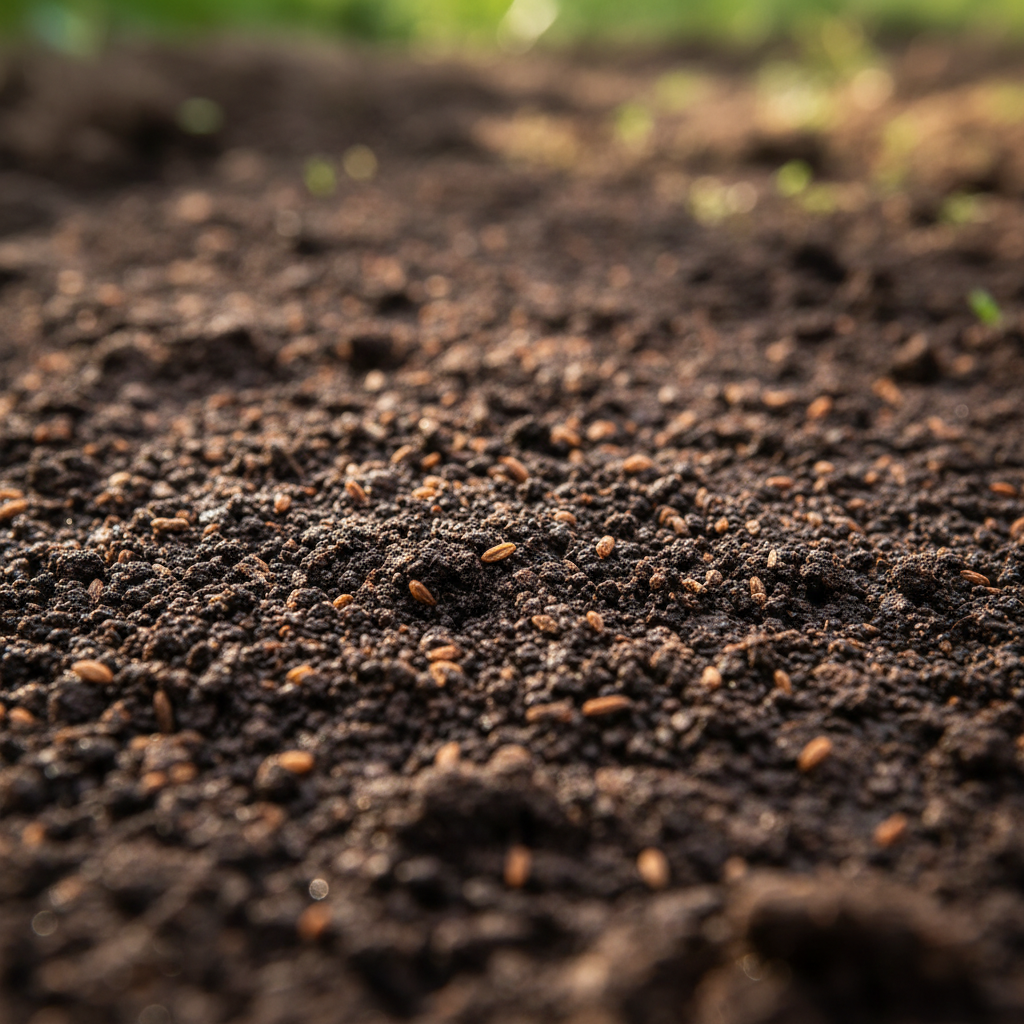
Planting Depth
1–1.5 cm

Growing Conditions
well-drained
Frequently Asked Questions
How does the F1 hybrid type affect saving Ruby Prince carrot seeds?
How does the F1 hybrid type affect saving Ruby Prince carrot seeds?
Seeds saved from an F1 hybrid may not reproduce the same root color, shape, or performance as the original hybrid plants.
Why is loose soil important for Ruby Prince carrots?
Why is loose soil important for Ruby Prince carrots?
Loose, stone-free soil allows the roots to develop more evenly and reduces the chance of misshapen carrots.
Can Ruby Prince carrots be harvested at different root sizes?
Can Ruby Prince carrots be harvested at different root sizes?
Yes. Roots can be harvested when they reach a suitable size, with younger roots generally offering a more tender texture.
How can gardeners prevent overcrowding in a carrot row?
How can gardeners prevent overcrowding in a carrot row?
Thin seedlings early so developing roots have sufficient space and do not compete excessively for room.
What makes the Ruby Prince roots visually distinctive?
What makes the Ruby Prince roots visually distinctive?
The variety produces red-colored roots, providing a striking alternative to traditional orange carrots in the vegetable garden.
Can Ruby Prince carrots be grown successfully in raised beds?
Can Ruby Prince carrots be grown successfully in raised beds?
Yes. Raised beds with deep, loose soil can provide suitable conditions for straight root development and easier soil preparation.