





Life Cycle
Perennial

Plant Characteristics
Tall wetland plant

Growth Habit
Clumping

Bloom Season
Summer

Suitable for
Outdoor

Flavour Profile
Ornamental

Seed Type
Open-pollinated

Plant Type
Aquatic

Planting Season
Spring

Fruit Size
Seed heads

Plant Height
1.5–3 m

Light Requirement
Full Sun

Water Needs
High

Hardiness Zones
3–10

Container Garden
No

Plant Spacing
60–90 cm

Planting Depth
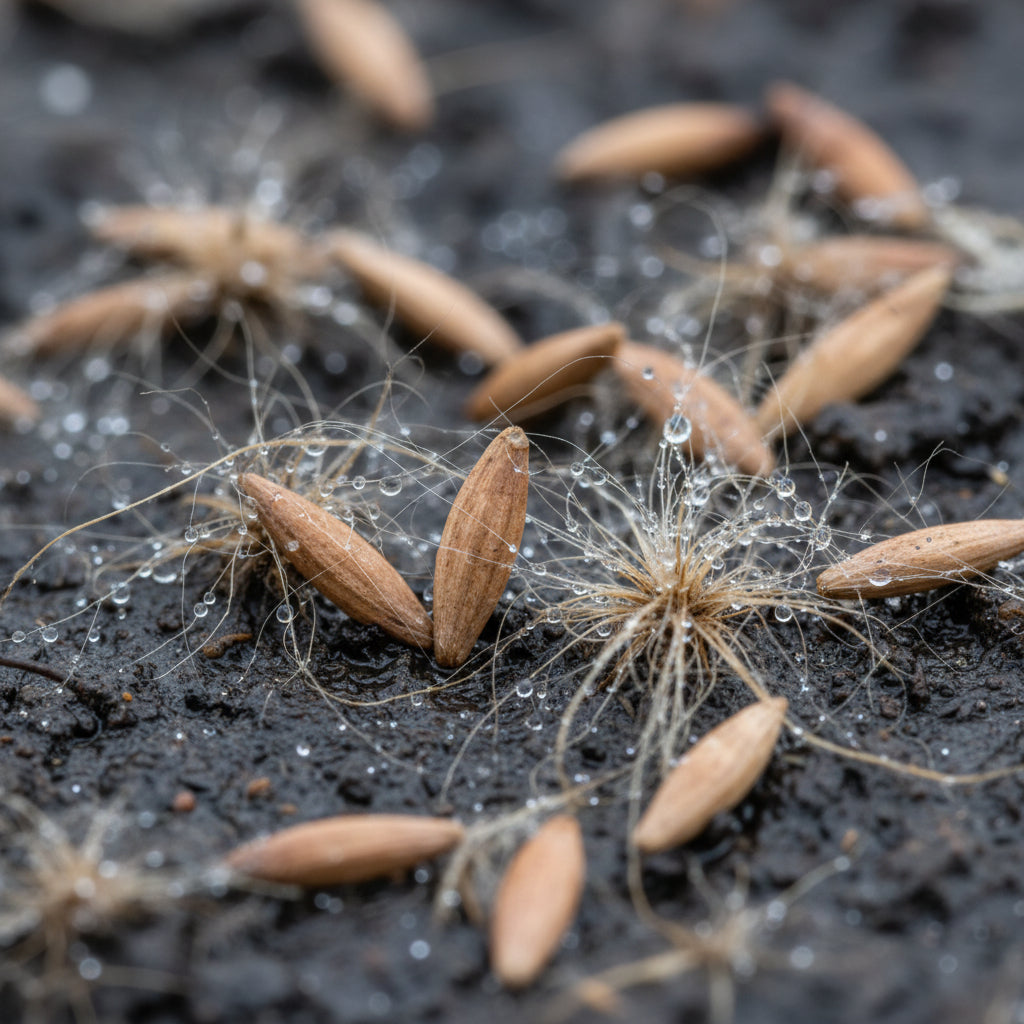
Surface sow

Growing Conditions
Saturated soil
Frequently Asked Questions
What type of water feature is suitable for Cattail?
What type of water feature is suitable for Cattail?
Cattails are well suited to ponds, marshy areas, rain gardens, and other locations with consistently wet soil
How does the broadleaf form affect pond planting?
How does the broadleaf form affect pond planting?
The broad upright leaves create vertical structure and can form dense planting groups along shallow water margins
Can Cattail be used around a natural pond edge?
Can Cattail be used around a natural pond edge?
Yes, it can be planted along shallow pond margins where the soil remains consistently wet and the plant has room to spread
How should Cattail be spaced in a wetland planting?
How should Cattail be spaced in a wetland planting?
Allow sufficient space between plants because cattails can form expanding clumps as they mature
What seasonal feature does mature Cattail provide?
What seasonal feature does mature Cattail provide?
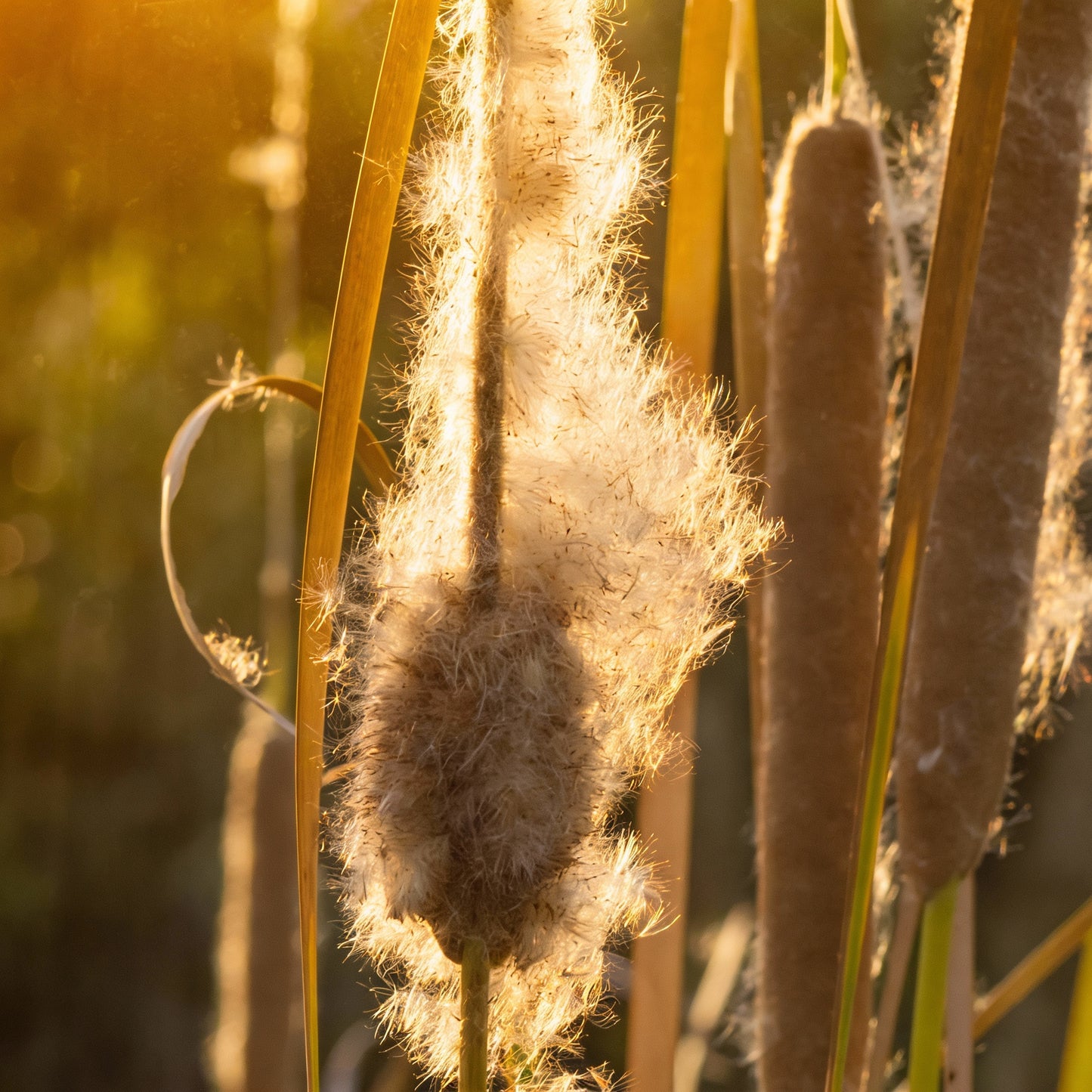
Mature plants develop distinctive cylindrical brown seed heads that remain visible after the main growing period
Can Cattail be combined with other wetland plants?
Can Cattail be combined with other wetland plants?
Yes, it can be incorporated with compatible moisture loving plants around pond edges and wetland areas, provided each plant has adequate growing space