



LIFE CYCLE
Annual

PLANT CHARACTERISTICS
Tall growth

GROWTH HABIT
Upright

BLOOM SEASON
Summer

FLAVOUR PROFILE
Ornamental

SUITABLE FOR
Outdoor

PLANTING SEASON
Spring to Early Summer

FRUIT SIZE
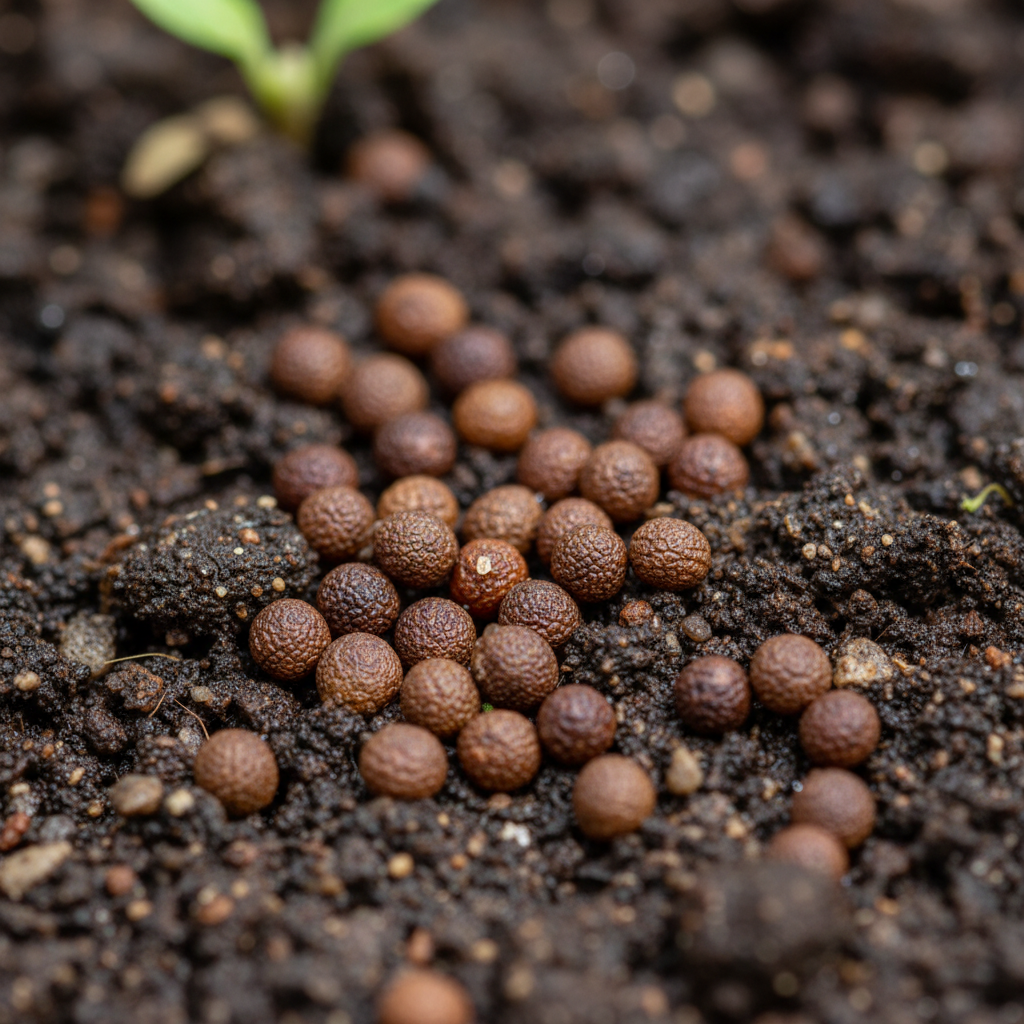
Seed Pods – Medium

PLANT HEIGHT
90–150 cm

LIGHT REQUIREMENT
Full Sun

WATER NEEDS
Moderate

HARDINESS ZONES
2–11

CONTAINER GARDEN
Yes

PLANT SPACING
30–45 cm

PLANTING DEPTH
0.5–1 cm

GROWING CONDITIONS
Warm climate
Frequently Asked Questions
Can Pink Queen Spider Flower produce tall clusters of vibrant pink blooms?
Can Pink Queen Spider Flower produce tall clusters of vibrant pink blooms?
Yes. This variety is admired for its tall flower clusters that display vibrant pink blooms throughout the flowering season.
Do the flowers attract bees, butterflies, and other pollinators?
Do the flowers attract bees, butterflies, and other pollinators?
Yes. The nectar-rich blossoms are highly attractive to bees, butterflies, and a variety of beneficial pollinating insects.
Can Pink Queen Spider Flower be grown in borders or cottage gardens?
Can Pink Queen Spider Flower be grown in borders or cottage gardens?
Yes. It performs beautifully in borders, cottage gardens, wildflower plantings, and mixed flower beds with plenty of sunlight.
Will removing faded flower clusters encourage continued blooming?
Will removing faded flower clusters encourage continued blooming?
Yes. Regular deadheading helps extend the flowering season and encourages the production of additional flower clusters.
Can the long stems be used in fresh floral arrangements?
Can the long stems be used in fresh floral arrangements?
Yes. The tall, elegant flower stems are excellent for fresh-cut bouquets and decorative floral displays.
How is Pink Queen Spider Flower different from Cosmos?
How is Pink Queen Spider Flower different from Cosmos?
Pink Queen Spider Flower (Cleome hassleriana) produces tall, airy flower clusters with distinctive long stamens, while Cosmos (Cosmos bipinnatus) bears daisy-like blooms with finely divided foliage on a lighter, more delicate plant.