



Life Cycle
Perennial

Plant Characteristics
Evergreen Conifer

Growth Habit
Irregular

Bloom Season
Spring

Flavour Profile
Aromatic

Suitable for
Outdoor

Seed Type
Heirloom

Plant Type
Shrub Tree

Planting Season
Spring

Fruit Size
1cm Berry

Plant Height
5-15ft

Light Requirement
Full Sun

Water Needs
Low

Hardiness Zones
2-7

Container Garden
Yes

Plant Spacing
2-3m

Planting Depth
0.5cm

Growing Conditions
Rocky Dry
Frequently Asked Questions
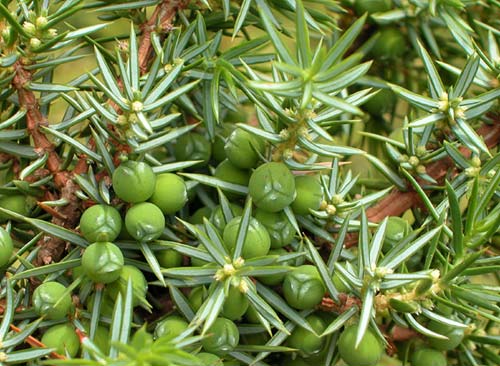
Are the berries from this juniper the same ones used to flavor gin?
Are the berries from this juniper the same ones used to flavor gin?
Yes, Juniperus communis berries are the traditional source of gin's flavor, though this listing is intended for ornamental garden planting rather than culinary or beverage use.
Since juniper is dioecious, how do I know if my plant will produce berries?
Since juniper is dioecious, how do I know if my plant will produce berries?
Only female plants produce the blue-black berries, but sex typically isn't visible until plants mature, so growing several seedlings improves the odds of getting both male and female plants for pollination.
What does "world's most widespread conifer" mean for this species?
What does "world's most widespread conifer" mean for this species?
It refers to Juniperus communis naturally occurring across a broad circumpolar range spanning North America, Europe, and Asia, more widely distributed than almost any other conifer.
Are juniper berries a concern if pets nibble on them?
Are juniper berries a concern if pets nibble on them?
While generally low risk, some pets can experience mild stomach upset from eating the berries, so it's sensible to discourage pets from snacking on fallen fruit.
Does planting juniper near apple trees cause any issues?
Does planting juniper near apple trees cause any issues?
Yes, common juniper can act as an alternate host for cedar-apple rust, a fungal disease that affects apple and crabapple trees, so spacing them apart is worth considering.
Why does the height range vary so much between 5 and 15 feet?
Why does the height range vary so much between 5 and 15 feet?
Common juniper naturally grows in a range of forms from low spreading shrubs to more upright small trees, so the eventual shape and height can vary depending on the individual plant and growing conditions