



LIFE CYCLE
Perennial

PLANT CHARACTERISTICS
Ornamental

GROWTH HABIT
Mounding

BLOOM SEASON
Summer

FLAVOUR PROFILE
Inedible

SUITABLE FOR
Outdoor

PLANTING SEASON
Spring

FRUIT SIZE
Small

PLANT HEIGHT
2–5 ft

LIGHT REQUIREMENT
full sun

WATER NEEDS
Moderate

HARDINESS ZONES
USDA Zones 2–9

CONTAINER GARDEN
Not preferred

PLANT SPACING
4–8 ft

PLANTING DEPTH
1/4 inch

GROWING CONDITIONS
Average to dry soils
Frequently Asked Questions
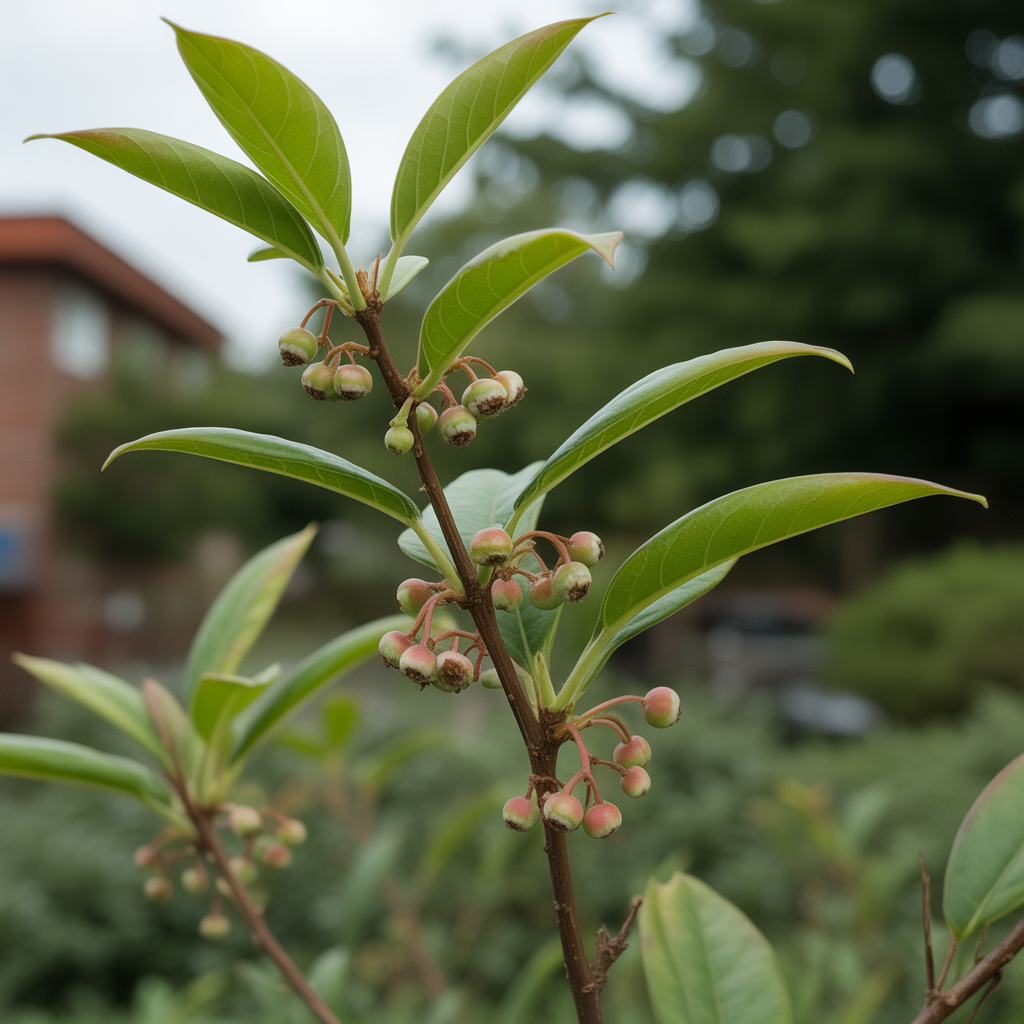
Can Coralberry produce clusters of ornamental pink berries that persist into winter?
Can Coralberry produce clusters of ornamental pink berries that persist into winter?
Yes. This deciduous shrub is admired for its attractive clusters of bright pink berries that provide long-lasting seasonal interest well into the colder months.
Do the small flowers attract bees and other beneficial pollinators?
Do the small flowers attract bees and other beneficial pollinators?
Yes. The small pink to white flowers provide nectar and attract bees and other beneficial pollinating insects during the flowering season.
Can Coralberry be grown as a hedge or wildlife-friendly landscape shrub?
Can Coralberry be grown as a hedge or wildlife-friendly landscape shrub?
Yes. Its dense, spreading growth habit makes it an excellent choice for hedges, naturalized plantings, woodland gardens, and wildlife-friendly landscapes.
Will occasional pruning help maintain a healthy, compact shrub?
Will occasional pruning help maintain a healthy, compact shrub?
Yes. Light pruning encourages vigorous new growth, improves air circulation, and helps maintain a tidy, well-shaped plant.
Do the berries provide seasonal interest for birds and wildlife?
Do the berries provide seasonal interest for birds and wildlife?
Yes. The colorful berry clusters add ornamental appeal and can provide a valuable food source for birds and other wildlife during the colder months.
How is Coralberry different from Snowberry?
How is Coralberry different from Snowberry?
Coralberry (Symphoricarpos orbiculatus) produces distinctive pink to magenta berry clusters along its arching stems, while Snowberry (Symphoricarpos albus) is known for its larger white berries and a more upright growth habit.