


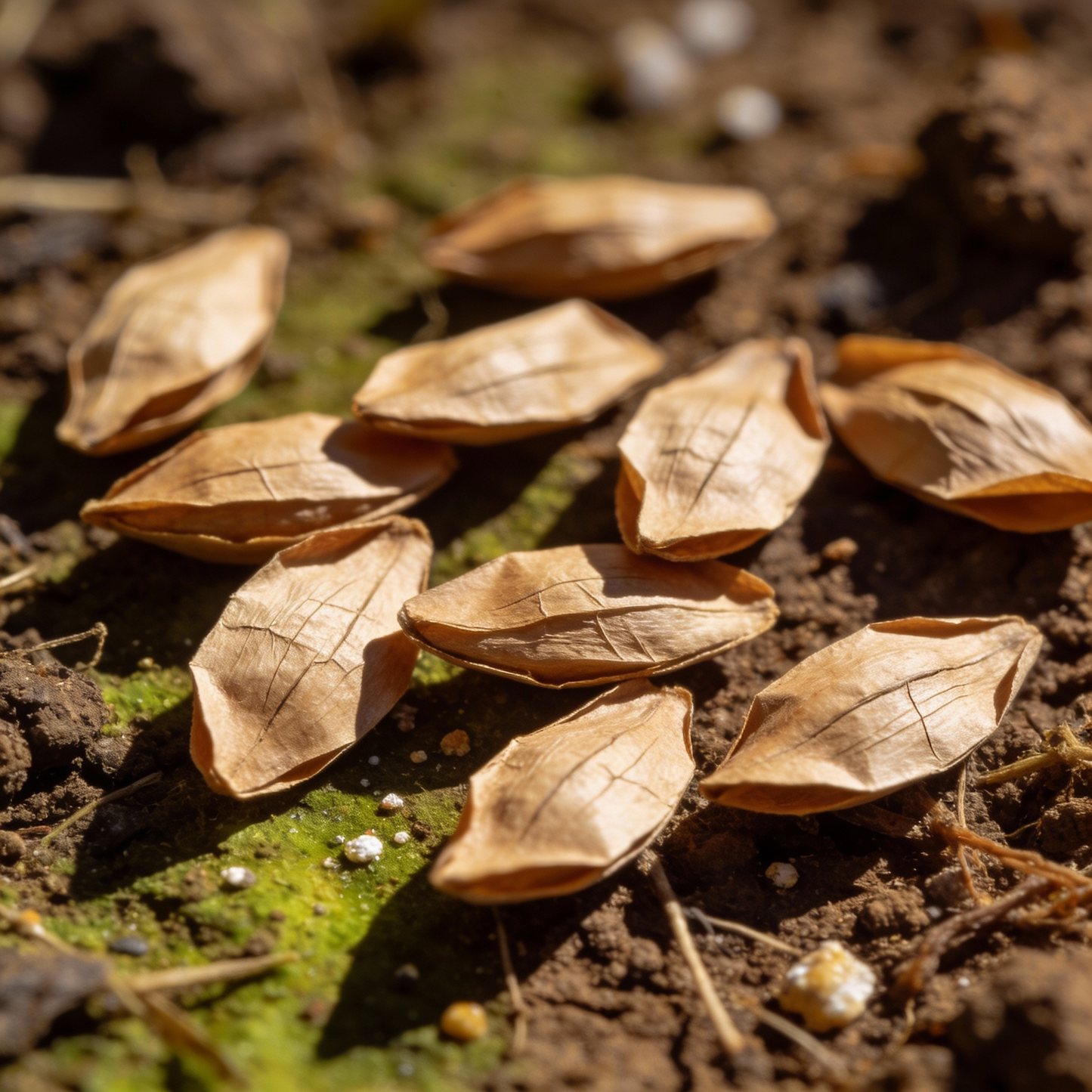

Life Cycle
Perennial

Plant Characteristics
Tall stems crown shaped blooms

Growth Habit
Upright

Bloom Season
Spring

Flavour Profile
Not applicable

Suitable for
Outdoor

Seed Type
Open pollinated

Plant Type
Ornamental flowering plant

Planting Season
Autumn

Fruit Size
Not applicable

Plant Height
80 to 120 cm

Light Requirement
Full Sun

Water Needs
Moderate

Hardiness Zones
Cool temperate climates

Container Garden
Yes

Plant Spacing
30 to 40 cm

Planting Depth
2 to 3 cm

Growing Conditions
Cool sunny locations
Frequently Asked Questions
What makes Crown Imperial a popular ornamental flower?
What makes Crown Imperial a popular ornamental flower?
Crown Imperial is admired for its tall, stately stems topped with clusters of pendant bell-shaped flowers and a crown of leafy bracts, creating a striking focal point in spring gardens.
Where can Crown Imperial be grown?
Where can Crown Imperial be grown?
It thrives in borders, cottage gardens, mixed perennial beds, and large containers with fertile, well-drained soil and a sunny to partially shaded location.
Do bees, butterflies, and other pollinators visit the flowers?
Do bees, butterflies, and other pollinators visit the flowers?
Yes, the nectar-rich blooms may attract bees, butterflies, and other beneficial pollinating insects during the spring flowering season.
Are Crown Imperial flowers suitable for mixed garden displays?
Are Crown Imperial flowers suitable for mixed garden displays?
Yes, their impressive height and bold architectural form pair beautifully with spring-flowering bulbs, perennials, and ornamental shrubs.
Does removing spent flower stems benefit the plant?
Does removing spent flower stems benefit the plant?
Yes, removing faded flower stems helps maintain a tidy appearance while allowing the foliage to continue supporting healthy plant growth during the season.
Does this perennial return each growing season?
Does this perennial return each growing season?
Yes, healthy plants can produce fresh foliage and impressive spring blooms year after year, providing reliable seasonal interest and architectural beauty in the garden.