



Life Cycle
Annual

Plant Characteristics
Lacy foliage

Growth Habit
Upright

Bloom Season
Spring to Summer

Flavour Profile
N/A

Suitable for
Outdoor

Seed Type
Open Pollinated

Plant Type
Flowering Plant

Planting Season
Winter

Fruit Size
N/A

Plant Height
90–120 cm

Light Requirement
Full Sun

Water Needs
Moderate

Hardiness Zones
3–9

Container Garden
No

Plant Spacing
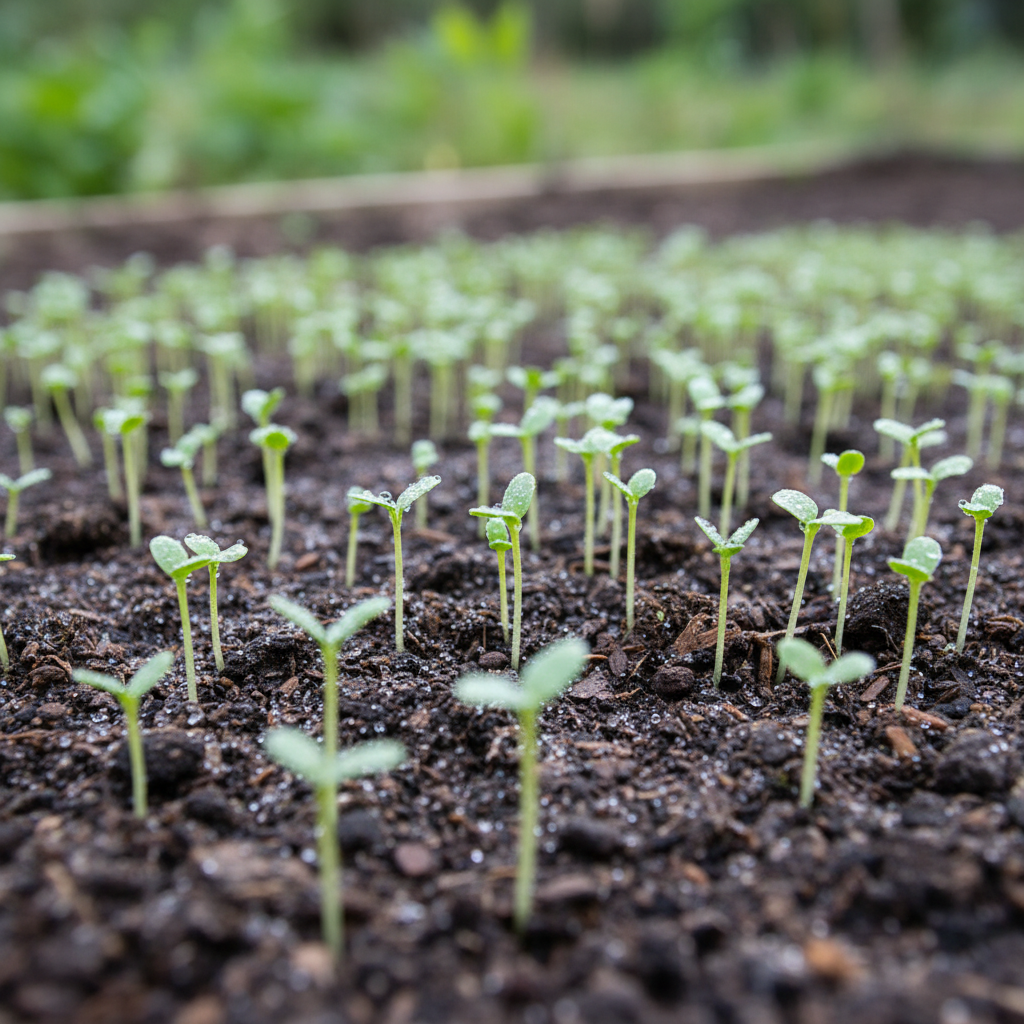
30–40 cm

Planting Depth
0.5 cm

Growing Conditions
Sunny location
Frequently Asked Questions
Can Daucus carota 'Dara' be used as a cut flower?
Can Daucus carota 'Dara' be used as a cut flower?
Yes. Its sturdy stems and multicolored flower heads make it a popular choice for fresh bouquets and floral arrangements.
Do the flower colors change as they mature?
Do the flower colors change as they mature?
Yes. The blooms can develop in shades of white, pink, and deep burgundy, creating a naturally varied display as they mature.
Will Daucus carota 'Dara' attract beneficial insects?
Will Daucus carota 'Dara' attract beneficial insects?
Yes. The open, umbrella-shaped flower clusters are attractive to bees, butterflies, and other beneficial pollinators
Can this variety be grown in wildflower-style gardens?
Can this variety be grown in wildflower-style gardens?
Yes. Its airy flowers blend well with ornamental grasses and other flowering plants in cottage gardens and naturalistic landscapes.
Does Daucus carota 'Dara' self-seed under suitable conditions?
Does Daucus carota 'Dara' self-seed under suitable conditions?
Yes. If seed heads are left on the plant, it may self-seed naturally in favorable growing conditions.
How is Daucus carota 'Dara' different from wild Queen Anne's Lace?
How is Daucus carota 'Dara' different from wild Queen Anne's Lace?
'Dara' is an ornamental cultivar selected for its larger blooms and striking mix of white, pink, and burgundy flower colors, unlike the mostly white flowers of wild Queen Anne's Lace.