



Life Cycle
Perennial

Plant Characteristics
Fringed pink flowers

Growth Habit
Low-growing

Bloom Season
Late spring to summer

Flavour Profile
Not applicable

Suitable for
Outdoor

Seed Type
Non-GMO

Plant Type
Flowering Perennial

Planting Season
Spring

Fruit Size
Not applicable

Plant Height
20–30 cm

Light Requirement
Full sun

Water Needs
Low to moderate

Hardiness Zones
4–9

Container Garden
Yes

Plant Spacing
25–30 cm

Planting Depth
Surface sow

Growing Conditions
Sunny
Frequently Asked Questions
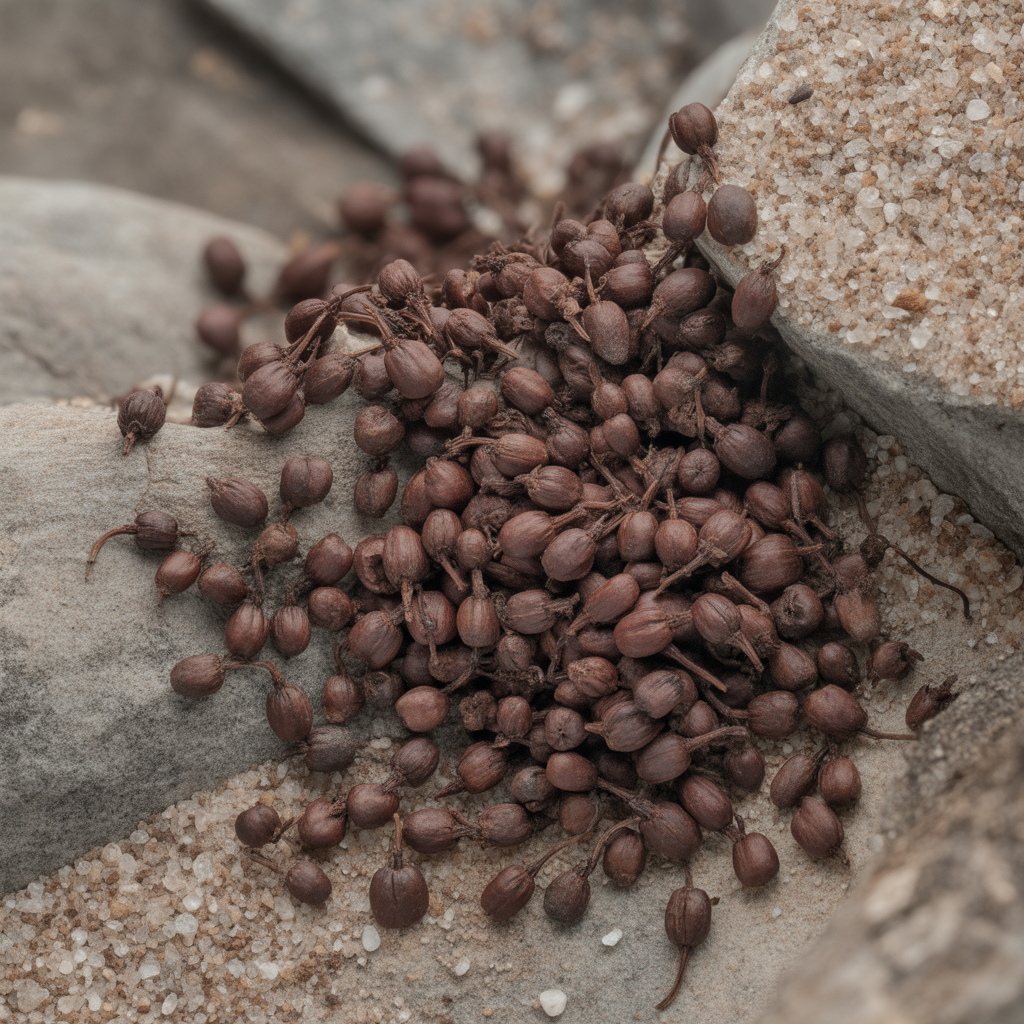
Can Dianthus monspessulanus grow between rocks and gravel?
Can Dianthus monspessulanus grow between rocks and gravel?
Yes. It thrives in well-drained rocky soils, making it an excellent choice for rock gardens, gravel beds, and alpine-style landscapes.
Do the flowers have a noticeable fragrance?
Do the flowers have a noticeable fragrance?
Yes. The finely fringed blooms are naturally fragrant and can add a pleasant scent to sunny outdoor spaces during the flowering season.
Will this plant remain attractive after flowering?
Will this plant remain attractive after flowering?
Yes. Its neat clumps of slender, grass-like foliage continue to provide texture and interest even after the blooms have faded.
Can Dianthus monspessulanus be used as a border plant?
Can Dianthus monspessulanus be used as a border plant?
Yes. Its compact habit and delicate flowers make it well suited for edging pathways, borders, and the front of perennial beds.
Does this perennial tolerate dry conditions once established?
Does this perennial tolerate dry conditions once established?
Yes. After establishment, it can tolerate short periods of dry weather when grown in well-drained soil.
Is Dianthus monspessulanus the same as common carnations?
Is Dianthus monspessulanus the same as common carnations?
No. Although both belong to the Dianthus genus, Dianthus monspessulanus is a distinct perennial species with finely fringed flowers and a lighter, more natural growth habit.