





Life Cycle
Perennial

Plant Characteristics
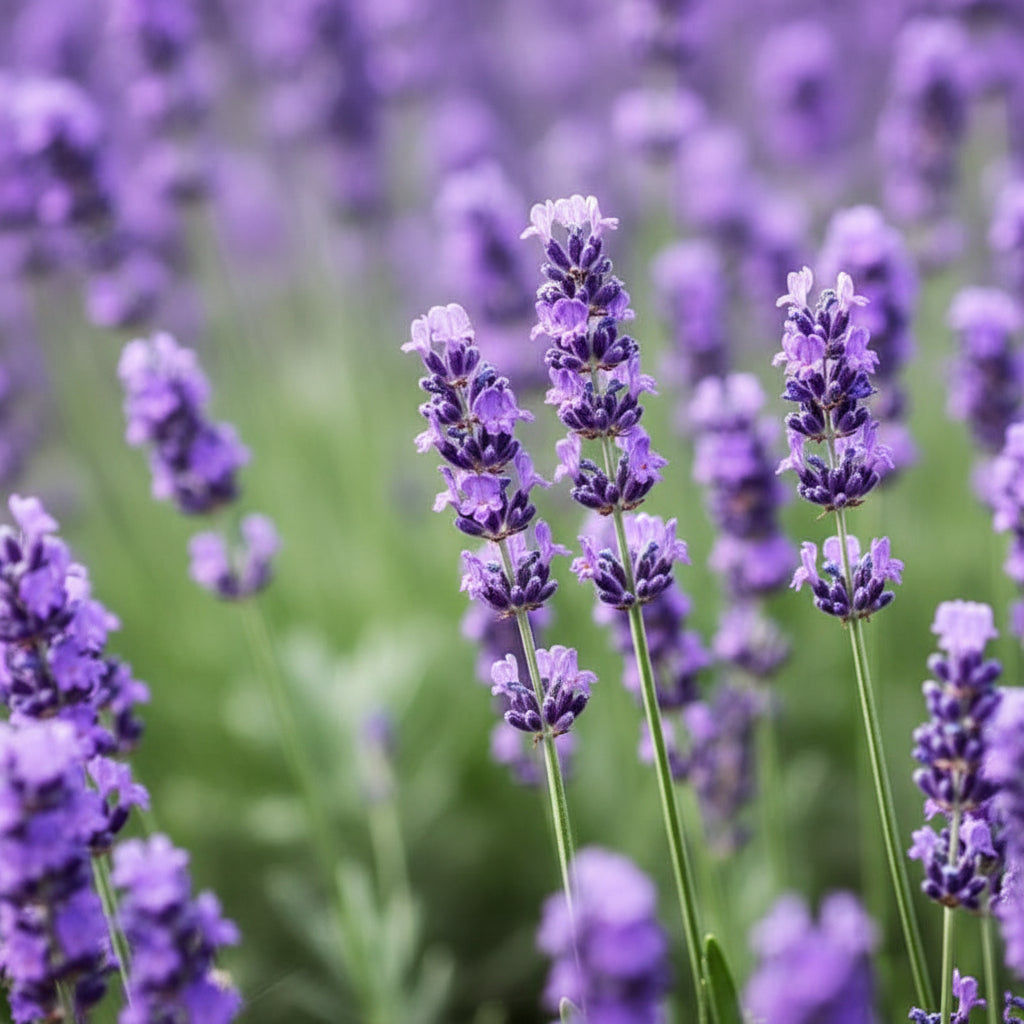
Fragrant foliage

Growth Habit
Bushy

Bloom Season
Late Spring–Summer

Flavour Profile
Mild floral aroma

Suitable for
Outdoor

Planting Season
Spring

Fruit Size
N/A

Plant Height
40–60 cm

Light Requirement
Full Sun

Hardiness Zones
5–9

Water Needs
Low

Container Garden
Yes

Plant Spacing
30–45 cm

Planting Depth
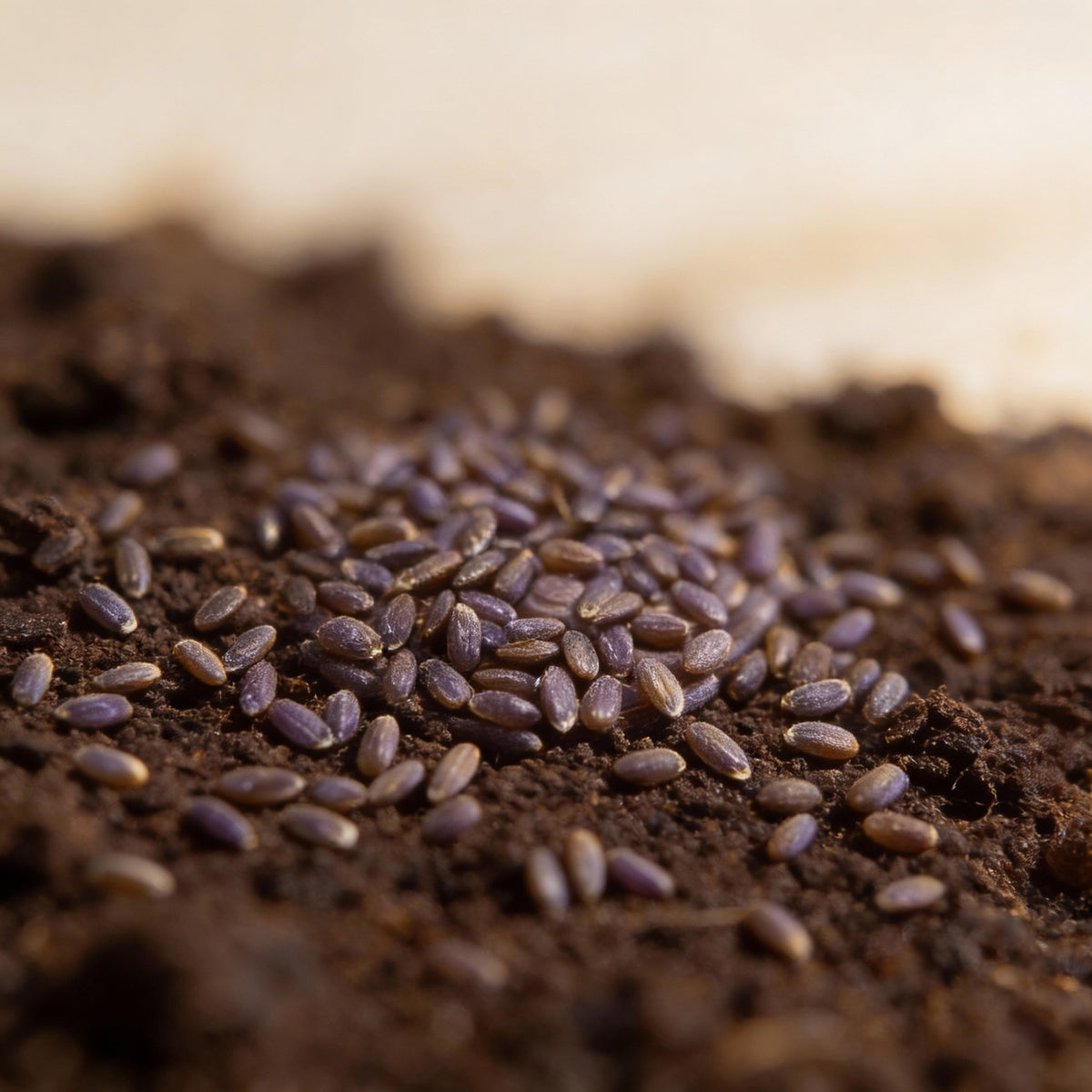
Surface sow

Growing Conditions
Well-drained soi
Frequently Asked Questions
How can English lavender maintain a compact shape after flowering?
How can English lavender maintain a compact shape after flowering?
Lightly trim the plant after flowering while avoiding cuts deep into old woody stems, helping maintain a tidy rounded form.
Why is airflow important when planting English lavender?
Why is airflow important when planting English lavender?
Good airflow around the foliage helps keep the plant's canopy drier and is especially useful in humid growing conditions.
Can English lavender be combined with ornamental grasses?
Can English lavender be combined with ornamental grasses?
Yes. Its narrow foliage and upright flower spikes can contrast well with the texture and movement of ornamental grasses.
What garden design suits English lavender besides herb gardens?
What garden design suits English lavender besides herb gardens?
It works well in borders, rock gardens, cottage-style plantings, pathway edges, and other sunny ornamental settings.
How does soil texture affect English lavender?
How does soil texture affect English lavender?
Well-drained, relatively light soil is preferred because lavender performs poorly when its roots remain in saturated soil for extended periods.
Can English lavender tolerate a dry period after establishment?
Can English lavender tolerate a dry period after establishment?
Established plants generally prefer drier conditions than many garden herbs, especially when grown in well-drained soil and full sun.