



Life Cycle
Perennial

Plant Characteristics
Mottled foliage

Growth Habit
Clump forming

Bloom Season
Spring

Flavour Profile
Not edible

Suitable for
Outdoor

Seed Type
Open Pollinated

Plant Type
Flowering Bulb

Planting Season
Autumn

Fruit Size
Not applicable

Plant Height
30–40 cm

Light Requirement
Partial Shade

Water Needs
Moderate

Hardiness Zones
4–8

Container Garden
Yes

Plant Spacing
20–25 cm

Planting Depth
Surface sow

Growing Conditions
Moist humus rich soil
Frequently Asked Questions
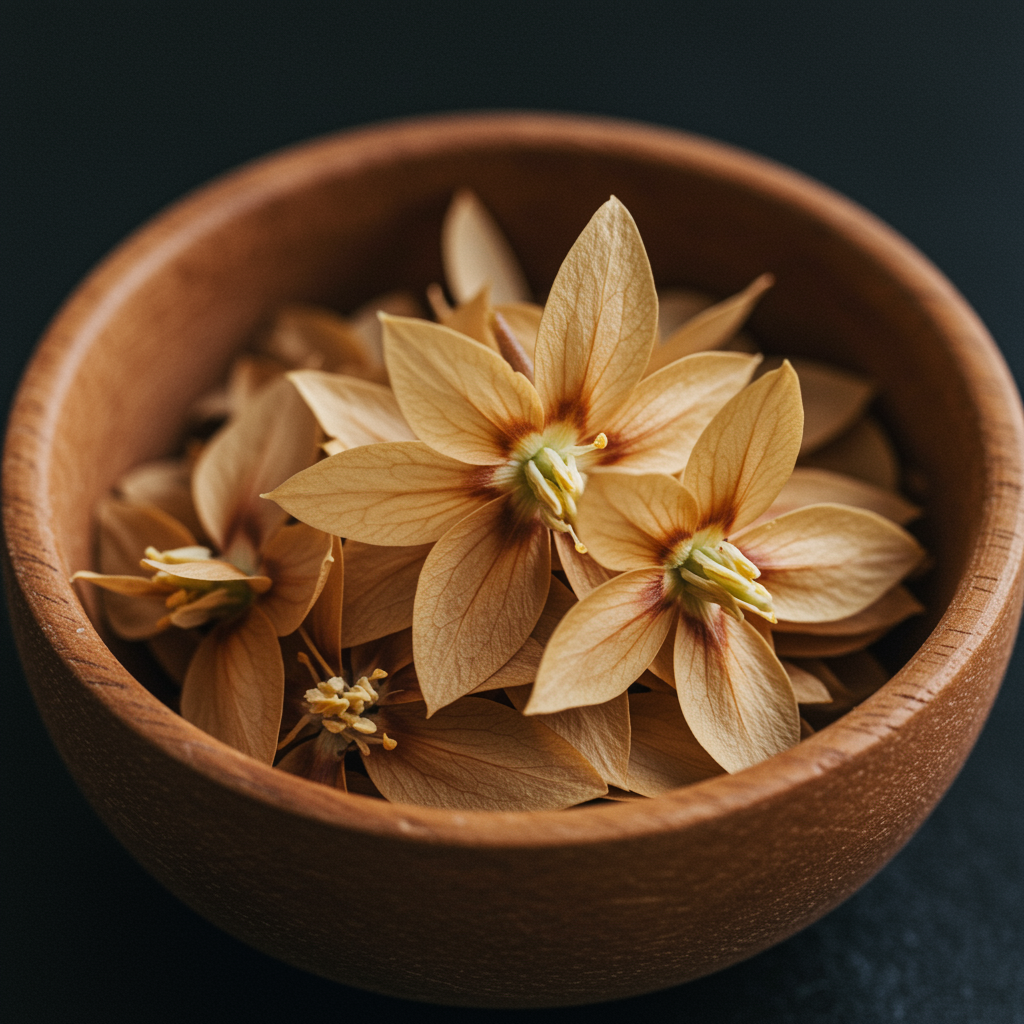
Why is it called Pink Fawn Lily?
Why is it called Pink Fawn Lily?
Its mottled leaves resemble a fawn's markings, while the pink flowers create an elegant woodland display.
Can it be planted beneath deciduous trees?
Can it be planted beneath deciduous trees?
Yes. It enjoys spring sunlight before tree canopies become dense later in the season.
Does it suit woodland-style gardens?
Does it suit woodland-style gardens?
Yes. Moist, shaded borders provide an ideal ornamental setting. Which companion
plants work well with it?
plants work well with it?
Ferns, trilliums, hostas, and woodland primulas create harmonious combinations.
Does it provide seasonal interest before summer?
Does it provide seasonal interest before summer?
Yes. It flowers in spring, adding early color before many summer perennials emerge.
Can it naturalize in suitable conditions?
Can it naturalize in suitable conditions?
Healthy plants may gradually establish attractive colonies in favorable garden settings.