




Life Cycle
Perennial

Plant Characteristics
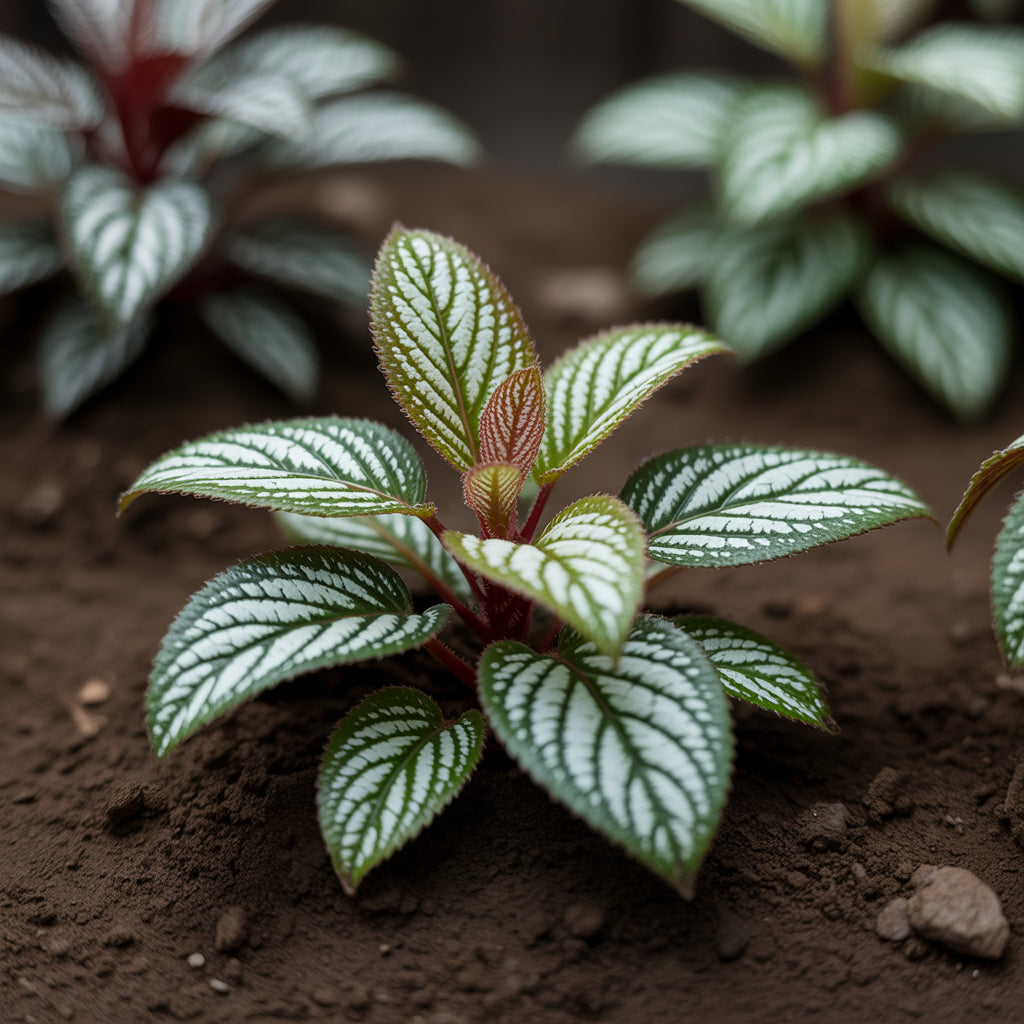
Colorful veined foliage

Growth Habit
Low-growing

Bloom Season
Summer

Flavour Profile
Not applicable

Suitable for
Indoor

Planting Season
Year-round (indoor)

Fruit Size
Tiny seeds

Plant Height
10–20 cm

Light Requirement
Bright Indirect Light

Water Needs
Moderate–High

Hardiness Zones
10–11

Container Garden
Yes

Plant Spacing
15–20 cm

Planting Depth
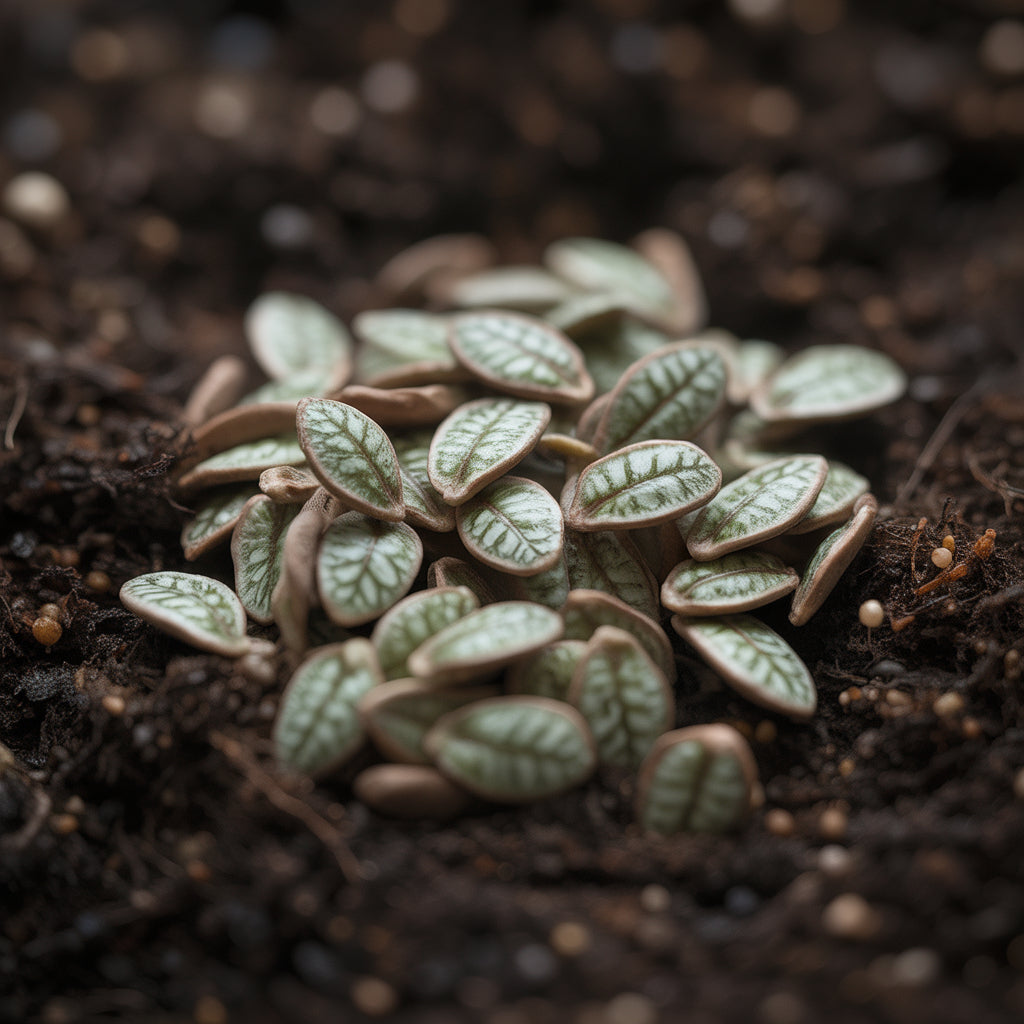
Surface sow

Growing Conditions
Warm
Frequently Asked Questions
What is the typical growth habit of Fittonia albivenis?
What is the typical growth habit of Fittonia albivenis?
Fittonia albivenis has a low growing, spreading habit that works well for small indoor planting spaces
How can the colorful foliage be displayed indoors?
How can the colorful foliage be displayed indoors?
Its patterned foliage can be showcased in decorative pots, terrariums, or grouped indoor plant displays
Does Fittonia albivenis need strong direct sunlight?
Does Fittonia albivenis need strong direct sunlight?
Fittonia generally performs better in bright indirect light, while intense direct sunlight can be harsh on its delicate foliage
Why is humidity important when growing Fittonia indoors?
Why is humidity important when growing Fittonia indoors?
Higher humidity helps support the moisture loving nature of Fittonia and can help keep its foliage looking fresh
Can Fittonia be combined with other plants in a terrarium?
Can Fittonia be combined with other plants in a terrarium?
Yes, its compact growth and preference for humid conditions make it suitable for terrarium displays with plants having similar growing needs
How can leggy Fittonia growth be managed?
How can leggy Fittonia growth be managed?
Pinching back longer stems can encourage a fuller appearance and help maintain a compact shape