


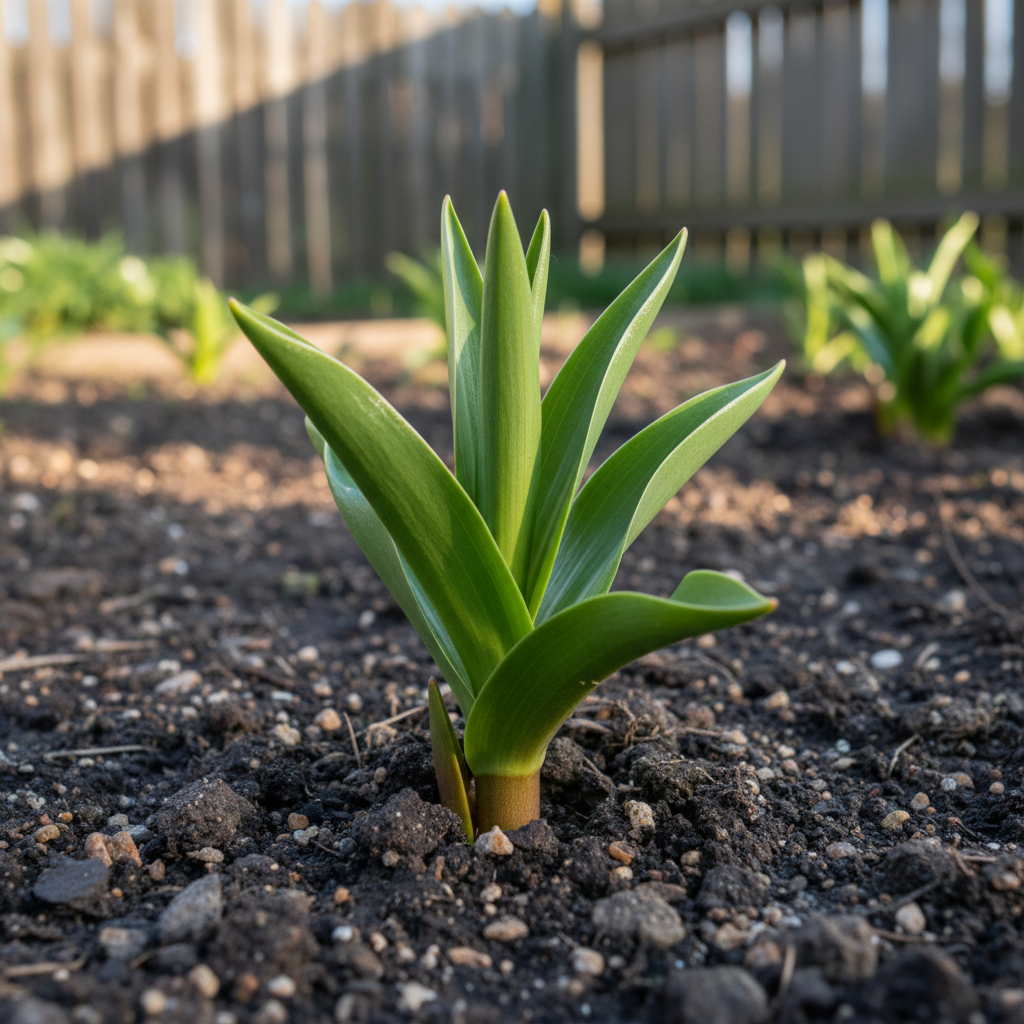

Life Cycle
Perennial

Plant Characteristics
Bulbous Blooms

Growth Habit
Upright

Bloom Season
Spring

Flavour Profile
Ornamental

Suitable for
Outdoor

Planting Season
Autumn

Fruit Size
N/A

Plant Height
Tall

Light Requirement
Full Sun

Water Needs
Moderate

Hardiness Zones
5–9

Container Garden
No

Plant Spacing
12–18 inches

Planting Depth
Shallow

Growing Conditions
Sunny
Frequently Asked Questions
What makes Fritillaria imperialis 'Rubra' a popular ornamental flower?
What makes Fritillaria imperialis 'Rubra' a popular ornamental flower?
Fritillaria imperialis 'Rubra' is admired for its tall, stately stems, striking red bell-shaped flowers, and distinctive crown of green foliage, making it a dramatic focal point in spring gardens and ornamental landscapes.
Where can Fritillaria imperialis 'Rubra' be grown?
Where can Fritillaria imperialis 'Rubra' be grown?
It grows well in flower beds, perennial borders, cottage gardens, and large containers with fertile, well-drained soil in a location that receives full sun to partial shade.
Do bees, butterflies, and other pollinators visit the flowers?
Do bees, butterflies, and other pollinators visit the flowers?
Yes, the vibrant blooms may attract bees and other beneficial pollinating insects during the flowering season.
Can Fritillaria imperialis 'Rubra' be used as a feature plant in the garden?
Can Fritillaria imperialis 'Rubra' be used as a feature plant in the garden?
Yes, its impressive height and bold flower clusters make it an excellent choice for specimen plantings, mixed borders, and spring landscape displays where vertical interest is desired.
Does removing spent flowers help maintain the plant?
Does removing spent flowers help maintain the plant?
Yes, removing faded flowers helps keep the plant looking tidy, while allowing the foliage to mature naturally supports healthy growth for future seasons under suitable growing conditions.
Does this perennial provide long-lasting seasonal interest?
Does this perennial provide long-lasting seasonal interest?
Yes, healthy plants produce striking red blooms in spring and attractive architectural foliage, adding height, texture, and lasting ornamental appeal to gardens under suitable growing conditions.