



LIFE CYCLE
Perennial

PLANT CHARACTERISTICS
Robust

GROWTH HABIT
Upright

BLOOM SEASON
Summer

FLAVOUR PROFILE
Ornamental, Medicinal

SUITABLE FOR
Outdoor

PLANTING SEASON
Spring, Autumn

FRUIT SIZE
Small

PLANT HEIGHT
90–150 cm

LIGHT REQUIREMENT
Full Sun to Partial Shade

WATER NEEDS
Moderate

HARDINESS ZONES
Zones 4–7

CONTAINER GARDEN
No

PLANT SPACING
45–60 cm

PLANTING DEPTH
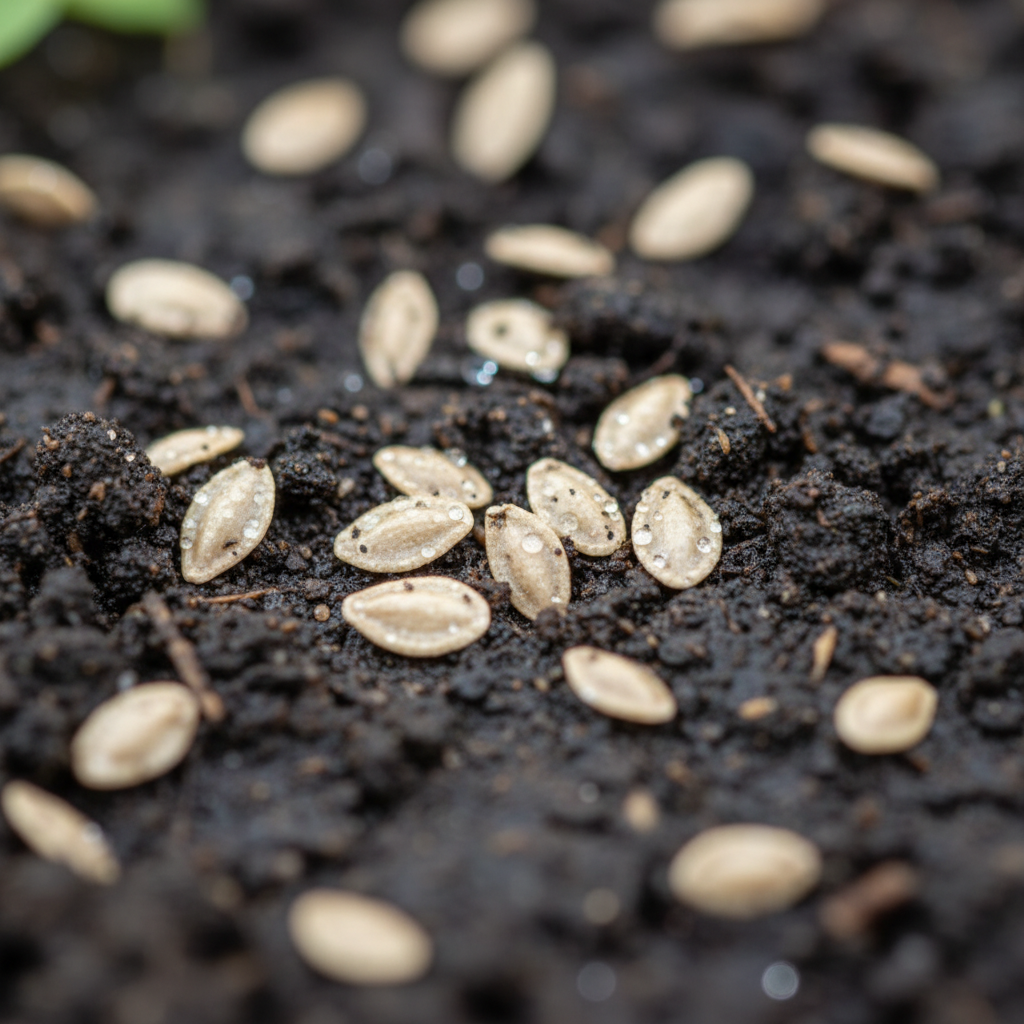
Surface sow

GROWING CONDITIONS
Cool climate
Frequently Asked Questions
Why should Gentiana lutea not be transplanted after establishment?
Why should Gentiana lutea not be transplanted after establishment?
It develops a deep taproot, so disturbing an established plant can damage its root system. Choosing the planting position carefully from the beginning is preferable.
Can Gentiana lutea be used as a tall alpine border accent?
Can Gentiana lutea be used as a tall alpine border accent?
Yes. Its upright growth can provide a taller vertical layer within a cool-climate alpine or temperate perennial planting.
What garden plants contrast with yellow gentian flowers?
What garden plants contrast with yellow gentian flowers?
Blue, purple, white, and silver-toned plants can create strong visual contrast with the yellow flowers in a mixed perennial border.
Is Gentiana lutea suitable for a deep container?
Is Gentiana lutea suitable for a deep container?
The listing specifies that it is not suitable for container gardening. Its deep-rooted habit is better accommodated in an appropriate garden site.
How can I give yellow gentian enough root space?
How can I give yellow gentian enough root space?
Choose a permanent planting position with deep, well-prepared soil and allow the listed spacing so the plant can develop without frequent disturbance.
Can yellow gentian provide structure after other flowers fade?
Can yellow gentian provide structure after other flowers fade?
Its upright form and substantial foliage can continue providing vertical structure in a perennial planting outside the main flowering period.