



Life Cycle
Annual

Plant Characteristics
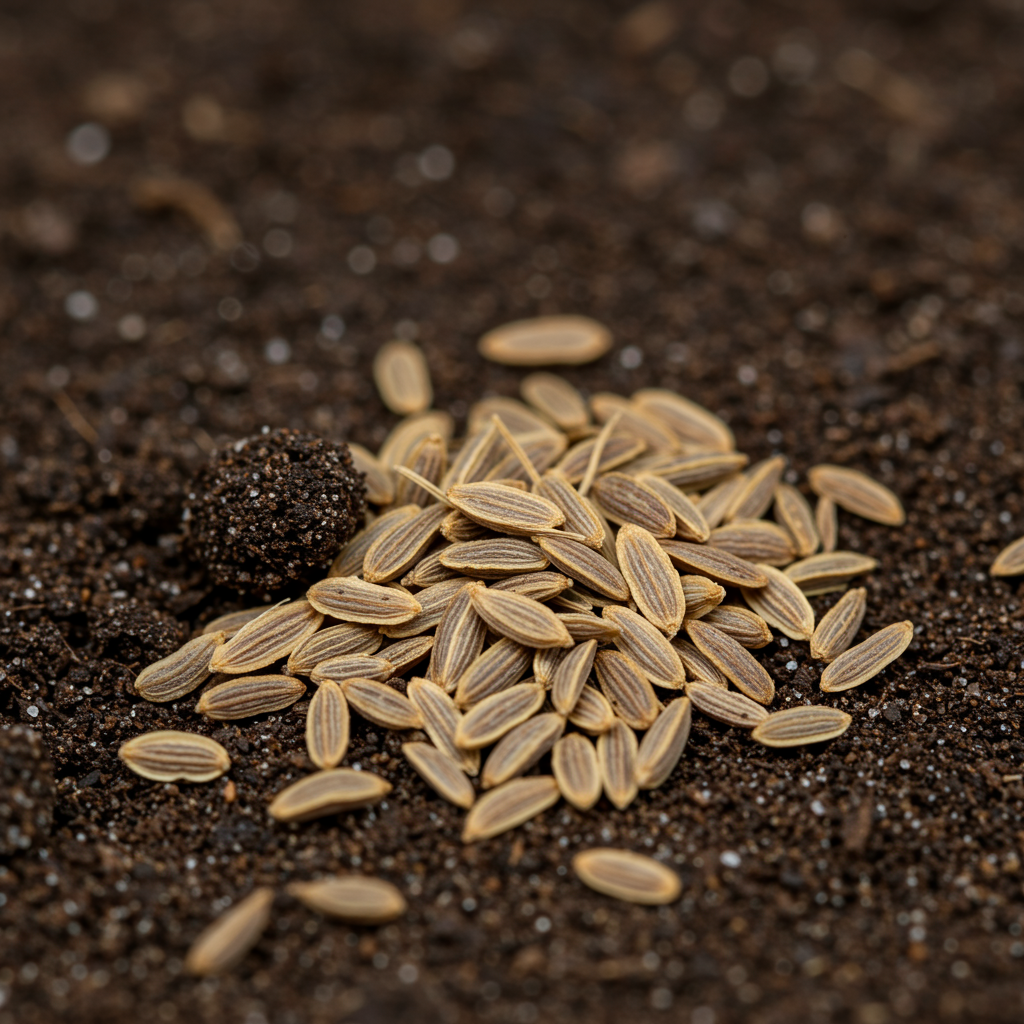
feathery aromatic foliage with edible seeds

Growth Habit
Upright

Bloom Season
Summer

Flavour Profile
Not applicable

Suitable for
Both

Seed Type
Non-GMO

Plant Type
Culinary Herb

Planting Season
Spring

Fruit Size
Not applicable

Plant Height
30–50 cm

Light Requirement
Full sun to bright light

Water Needs
Low

Hardiness Zones
9–11

Container Garden
Yes

Plant Spacing
45–60 cm

Planting Depth
Surface sowing

Growing Conditions
Dry climate
Frequently Asked Questions
Can Grandma Einck's Delightful Dill produce abundant feathery foliage?
Can Grandma Einck's Delightful Dill produce abundant feathery foliage?
Yes. This heirloom variety is known for its lush, finely divided foliage that provides a continuous harvest of aromatic leaves.
Do the leaves and seeds have culinary uses?
Do the leaves and seeds have culinary uses?
Yes. Both the fresh leaves and mature seeds are commonly used to season salads, soups, seafood, pickles, breads, and a variety of home-cooked dishes.
Can Grandma Einck's Delightful Dill be grown in containers or raised beds?
Can Grandma Einck's Delightful Dill be grown in containers or raised beds?
Yes. It grows well in large containers, raised beds, and traditional herb gardens with full sun and well-drained soil.
Will regular harvesting encourage fresh leaf growth?
Will regular harvesting encourage fresh leaf growth?
Yes. Frequent harvesting of the outer leaves encourages the plant to produce fresh, tender foliage throughout the growing season.
Can the flowers attract bees and other beneficial insects?
Can the flowers attract bees and other beneficial insects?
Yes. The nectar-rich yellow flower umbels attract bees, butterflies, hoverflies, and other beneficial pollinating insects.
How is Grandma Einck's Delightful Dill different from Bouquet Dill?
How is Grandma Einck's Delightful Dill different from Bouquet Dill?
Grandma Einck's Delightful Dill is prized for its abundant leafy growth and extended harvest of fresh foliage, while Bouquet Dill is commonly grown for both its leaves and its early production of flower heads and seeds.