



Life Cycle
Perennial

Plant Characteristics
Deciduous Fern

Growth Habit
Clumping

Bloom Season
Spring

Flavour Profile
None

Suitable for
Outdoor

Seed Type
Spores

Plant Type
Native Fern

Planting Season
Spring

Fruit Size
None

Plant Height
3-6ft

Light Requirement
Part Shade

Water Needs
High

Hardiness Zones
3-10

Container Garden
Yes

Plant Spacing
2-3ft

Planting Depth
Surface

Growing Conditions
Moist Woodland
Frequently Asked Questions
Since ferns don't produce true seeds, what exactly are spores?
Since ferns don't produce true seeds, what exactly are spores?
Spores are a fundamentally different reproductive structure than seeds; they first grow into a small green structure called a prothallus before that stage eventually produces the visible fern plant.
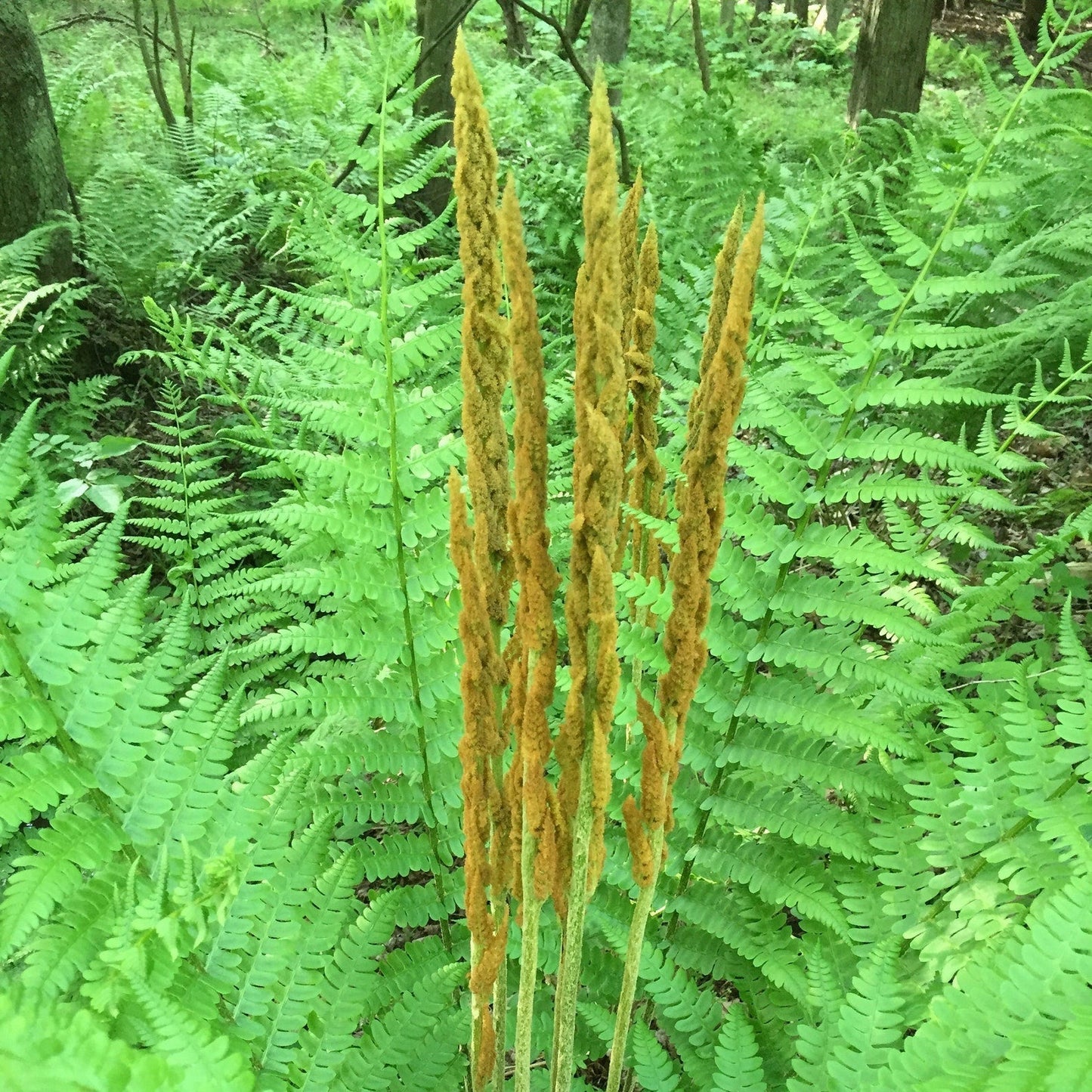
What's the actual role of the cinnamon-colored fertile fronds?
What's the actual role of the cinnamon-colored fertile fronds?
Fertile fronds are specialized for reproduction, producing and releasing the spores, while the separate green sterile fronds handle photosynthesis and give the plant its lush appearance.
The listing calls it deer-resistant, but tips warn about deer browsing young plants; which is true?
The listing calls it deer-resistant, but tips warn about deer browsing young plants; which is true?
Both, in a sense. Mature, established cinnamon ferns are generally left alone by deer, but young, tender new growth can still attract occasional browsing before the plant toughens up.
Will this fern spread aggressively and take over a garden bed?
Will this fern spread aggressively and take over a garden bed?
No, it colonizes gradually through clumping rhizomes rather than spreading invasively, making it a manageable choice for naturalizing a shaded area over time.
Since it's deciduous, what does the garden look like in winter?
Since it's deciduous, what does the garden look like in winter?
The fronds die back completely, leaving bare ground in that spot, so many gardeners pair it with evergreen shade plants nearby to maintain winter interest.
How long before spores actually become a recognizable young fern
How long before spores actually become a recognizable young fern
? After the initial prothallus stage forms in several weeks, it typically takes considerably longer, often into the following growing season, before a proper small fern frond is visible.