



LIFE CYCLE
Perennial

PLANT CHARACTERISTICS
Succulent

GROWTH HABIT
Spreading

BLOOM SEASON
Spring

FLAVOUR PROFILE
Mild

SUITABLE FOR
out door

PLANTING SEASON
Spring to Summer

FRUIT SIZE
Small to medium

PLANT HEIGHT
60–150 cm

LIGHT REQUIREMENT
full sun

WATER NEEDS
low

HARDINESS ZONES
Warm tropical

CONTAINER GARDEN
Yes

PLANT SPACING
60–90 cm

PLANTING DEPTH
Surface sowing

GROWING CONDITIONS
Dry
Frequently Asked Questions
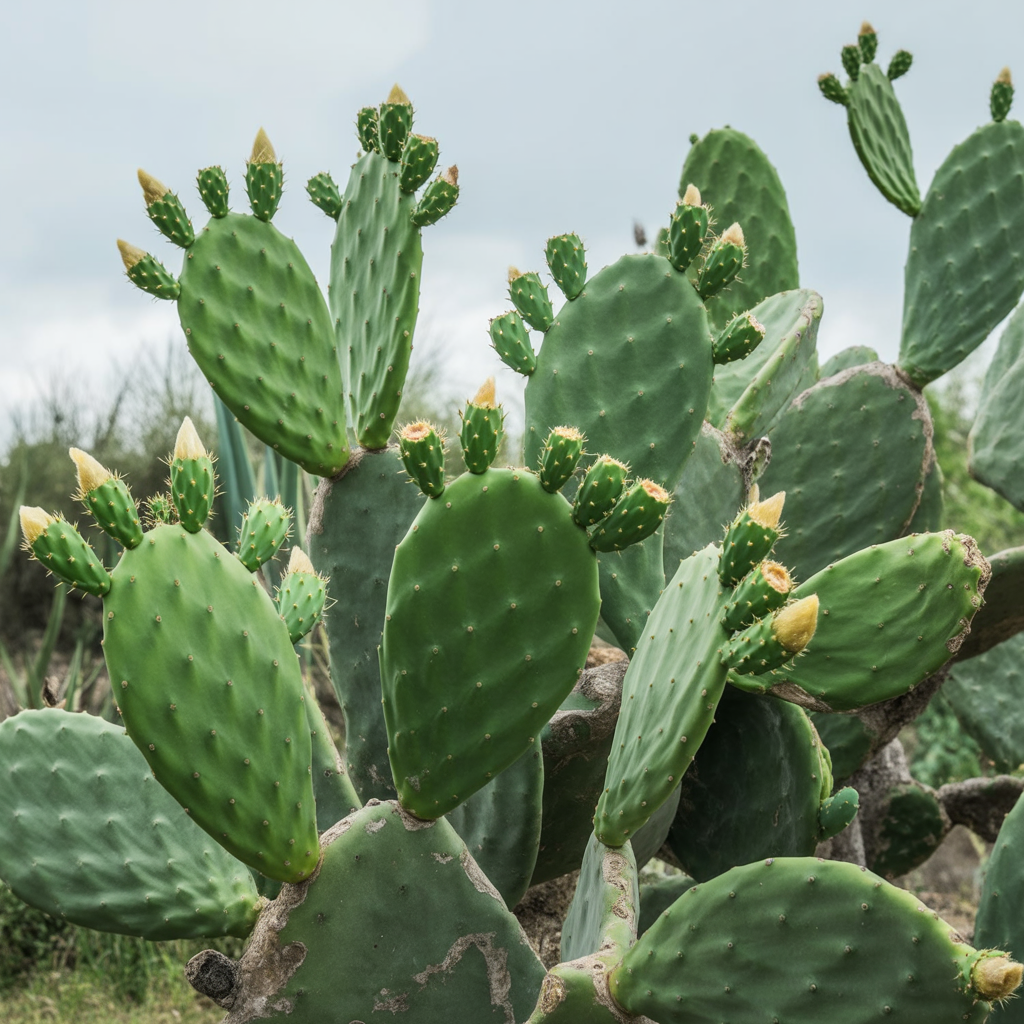
Can Green Prickly Pear produce attractive green pads and colorful fruits?
Can Green Prickly Pear produce attractive green pads and colorful fruits?
Yes. Green Prickly Pear is admired for its fleshy green pads and ornamental fruits, making it an eye-catching addition to xeriscapes and desert-style gardens.
Do the flowers attract bees and other beneficial pollinators?
Do the flowers attract bees and other beneficial pollinators?
Yes. The showy blooms provide nectar and attract bees and other beneficial pollinating insects during the flowering season.
Can Green Prickly Pear be grown in containers or rock gardens?
Can Green Prickly Pear be grown in containers or rock gardens?
Yes. It grows well in containers, rock gardens, xeriscapes, and sunny landscape beds with well-drained, sandy or gritty soil.
Will providing well-drained soil help support healthy growth?
Will providing well-drained soil help support healthy growth?
Yes. Excellent drainage and moderate watering encourage healthy root development and vigorous cactus growth.
Can the fruits be used in a variety of culinary recipes when fully ripe?
Can the fruits be used in a variety of culinary recipes when fully ripe?
Yes. Fully ripe fruits are commonly used in juices, jams, jellies, syrups, desserts, and other homemade recipes after proper preparation.
How is Green Prickly Pear different from Purple Prickly Pear?
How is Green Prickly Pear different from Purple Prickly Pear?
Green Prickly Pear (Opuntia lasiacantha) is valued for its bright green pads and ornamental fruits, while Purple Prickly Pear (Opuntia macrocentra) is distinguished by its striking purple-tinted pads, especially during cooler weather or periods of drought.