



LIFE CYCLE
Perennial

PLANT CHARACTERISTICS
Fragrant

GROWTH HABIT
Upright

BLOOM SEASON
Late Spring to Summer

FLAVOUR PROFILE
Aromatic / Decorative & Culinary

SUITABLE FOR
Outdoor

SEED TYPE
Non-GMO

PLANT TYPE
Herbaceous Perennial

PLANTING SEASON
Spring / Early Summer

FRUIT SIZE
N/A

PLANT HEIGHT
18–30 inches

LIGHT REQUIREMENT
Full Sun

WATER NEEDS
Low

HARDINESS ZONES
5–9

CONTAINER GARDEN
Yes

PLANT SPACING
18–24 inches

PLANTING DEPTH
0.3–0.5 cm

GROWING CONDITIONS
Well-drained sandy
Frequently Asked Questions
Why does lavender need light during seed germination?
Why does lavender need light during seed germination?
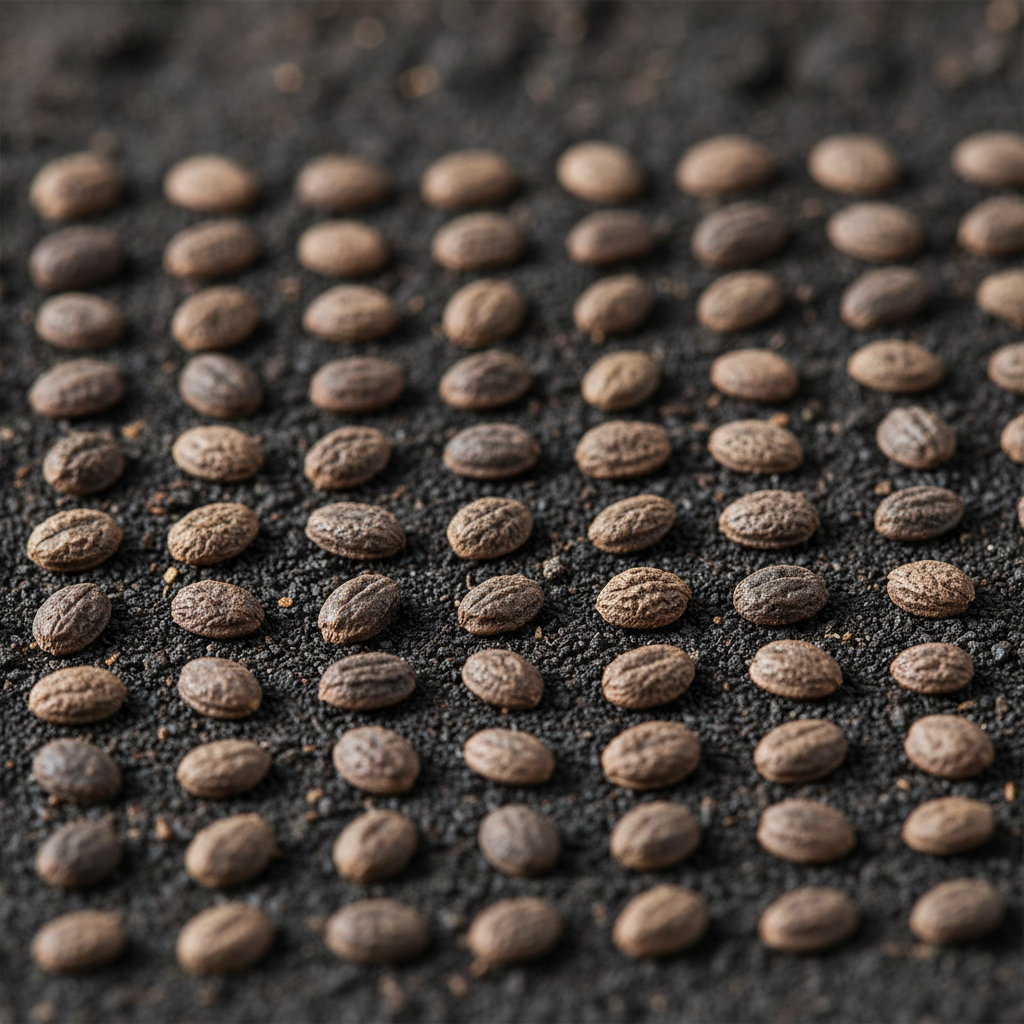
These lavender seeds are surface sown because the product notes that light is needed for germination. Press the seeds lightly into the soil rather than covering them deeply.
What makes this lavender useful along pathways?
What makes this lavender useful along pathways?
Its upright growth, fragrant foliage, and purple flower spikes make it suitable for adding structure and fragrance along garden paths and borders.
Can lavender be grown beside garden vegetables?
Can lavender be grown beside garden vegetables?
Yes. The product suggests companion planting with vegetables or herbs, provided sufficient spacing is maintained between plants.
How should lavender be watered after establishment?
How should lavender be watered after establishment?
Water sparingly once established. The listing notes that lavender prefers slightly dry conditions and has low water needs.
Can lavender be used for cut-flower arrangements?
Can lavender be used for cut-flower arrangements?
Yes. Cut flowers are specifically listed among the uses for this variety, alongside borders, pathways, and patios.
What happens if lavender remains too wet?
What happens if lavender remains too wet?
Lavender prefers well-drained conditions. Excess moisture can create unsuitable growing conditions, so avoid waterlogged soil and containers without drainage.