



Life Cycle
Annual

Plant Characteristics
Fast growing

Growth Habit
bushy

Bloom Season
Winter to Spring

Flavour Profile
mildly spicy

Suitable for
Outdoor

Seed Type
open-pollinated

Plant Type
Herb Plant

Planting Season
Winter

Fruit Size
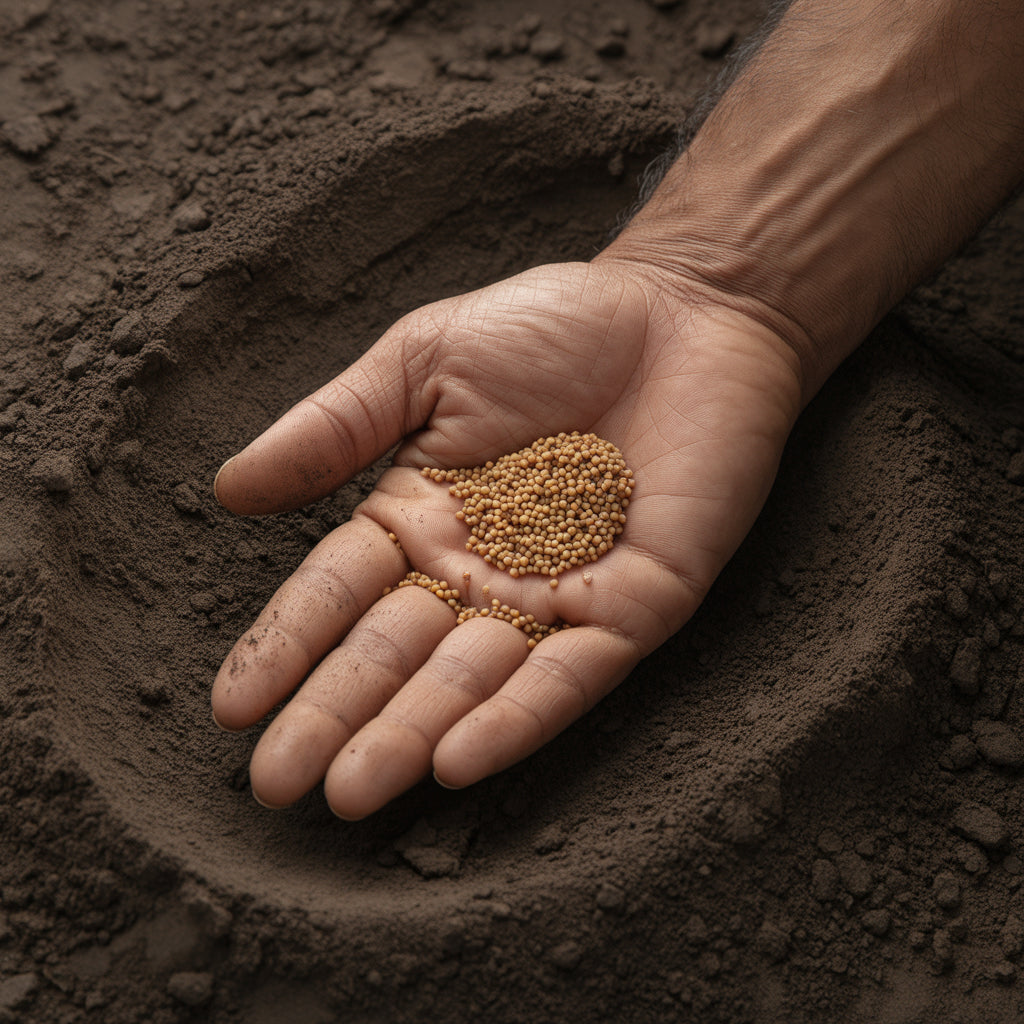
Small seed pods

Plant Height
40–90 cm

Light Requirement
Full Sun to Partial Shade

Water Needs
Moderate

Hardiness Zones
3–9

Container Garden
Yes

Plant Spacing
20–30 cm

Planting Depth
0.5–1 cm

Growing Conditions
Cool climate
Frequently Asked Questions
Can Heirloom Mustard produce abundant leafy greens during the growing season?
Can Heirloom Mustard produce abundant leafy greens during the growing season?
Yes. Traditional mustard varieties are known for producing flavorful green leaves that can be harvested at different stages of growth.
Does Heirloom Mustard grow best in cool conditions?
Does Heirloom Mustard grow best in cool conditions?
Yes. Mustard generally performs well in cool to mild weather with fertile, well-drained soil and consistent moisture.
Can Heirloom Mustard be grown in containers or raised beds?
Can Heirloom Mustard be grown in containers or raised beds?
Yes. It can be grown in containers, raised beds, window boxes, and traditional vegetable gardens with suitable sunlight and good drainage.
Will regular harvesting encourage fresh leaf growth?
Will regular harvesting encourage fresh leaf growth?
Yes. Harvesting the outer leaves regularly can encourage new growth and extend the leafy harvest period.
Can Mustard Greens be enjoyed fresh or cooked?
Can Mustard Greens be enjoyed fresh or cooked?
Yes. The leaves can be used in salads, stir-fries, soups, curries, steaming, sautéing, and other culinary preparations.
How is Heirloom Mustard different from Mizuna?
How is Heirloom Mustard different from Mizuna?
Heirloom Mustard varieties generally produce broader leaves with a distinctive peppery flavor, while Mizuna (Brassica rapa var. nipposinica) develops finely divided, feathery leaves with a milder, slightly peppery taste.