



Life Cycle
Perennial

Plant Characteristics
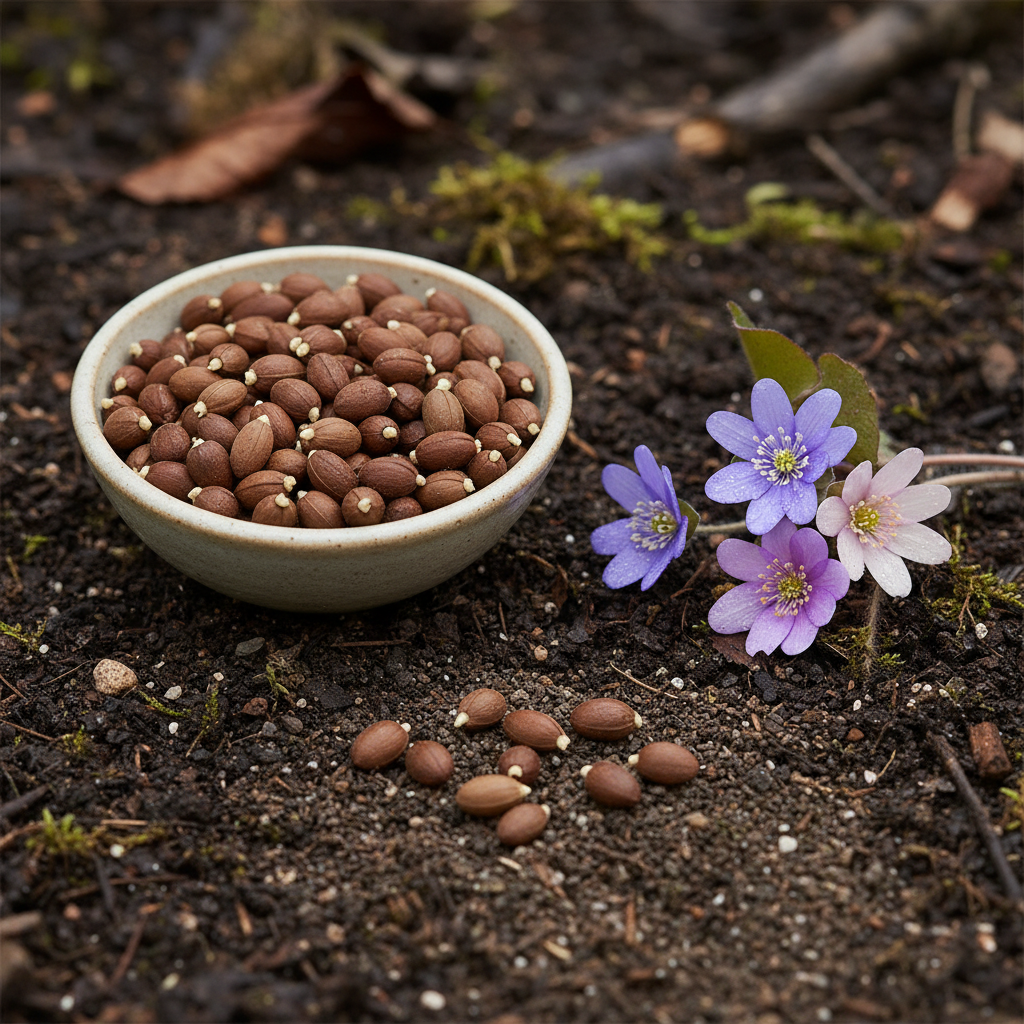
Delicate Blooms

Growth Habit
Clumping

Bloom Season
Early Spring

Flavour Profile
Ornamental

Suitable for
Outdoor

Planting Season
Autumn

Fruit Size
N/A

Plant Height
10–15 cm

Light Requirement
Partial Shade

Water Needs
Moderate

Hardiness Zones
USDA 4–8

Container Garden
Yes

Plant Spacing
15–20 cm

Planting Depth
Surface Sow

Growing Conditions
Cool
Frequently Asked Questions
What makes Hepatica nobilis different from other early spring perennials?
What makes Hepatica nobilis different from other early spring perennials?
Its delicate cup-shaped blooms appear in early spring, often before many other garden flowers begin to bloom.
Can Hepatica nobilis be planted in woodland and shade gardens?
Can Hepatica nobilis be planted in woodland and shade gardens?
Yes, it thrives in woodland gardens, shaded borders, and other partially shaded landscape settings with well-drained soil.
Will the attractive foliage remain after flowering?
Will the attractive foliage remain after flowering?
Yes, the attractive evergreen to semi-evergreen foliage continues to provide texture and ornamental interest after the blooming season.
Can Hepatica nobilis be grown in rock gardens?
Can Hepatica nobilis be grown in rock gardens?
Yes, it performs well in woodland rock gardens, alpine beds, and naturalized garden settings.
Do bees and other early pollinators visit the flowers?
Do bees and other early pollinators visit the flowers?
Yes, the early-season blooms may attract bees and other beneficial pollinating insects emerging in spring.
Does this perennial return each growing season?
Does this perennial return each growing season?
Yes, healthy plants produce fresh foliage and beautiful spring blooms year after year under suitable growing conditions.