



Life Cycle
Perennial

Plant Characteristics
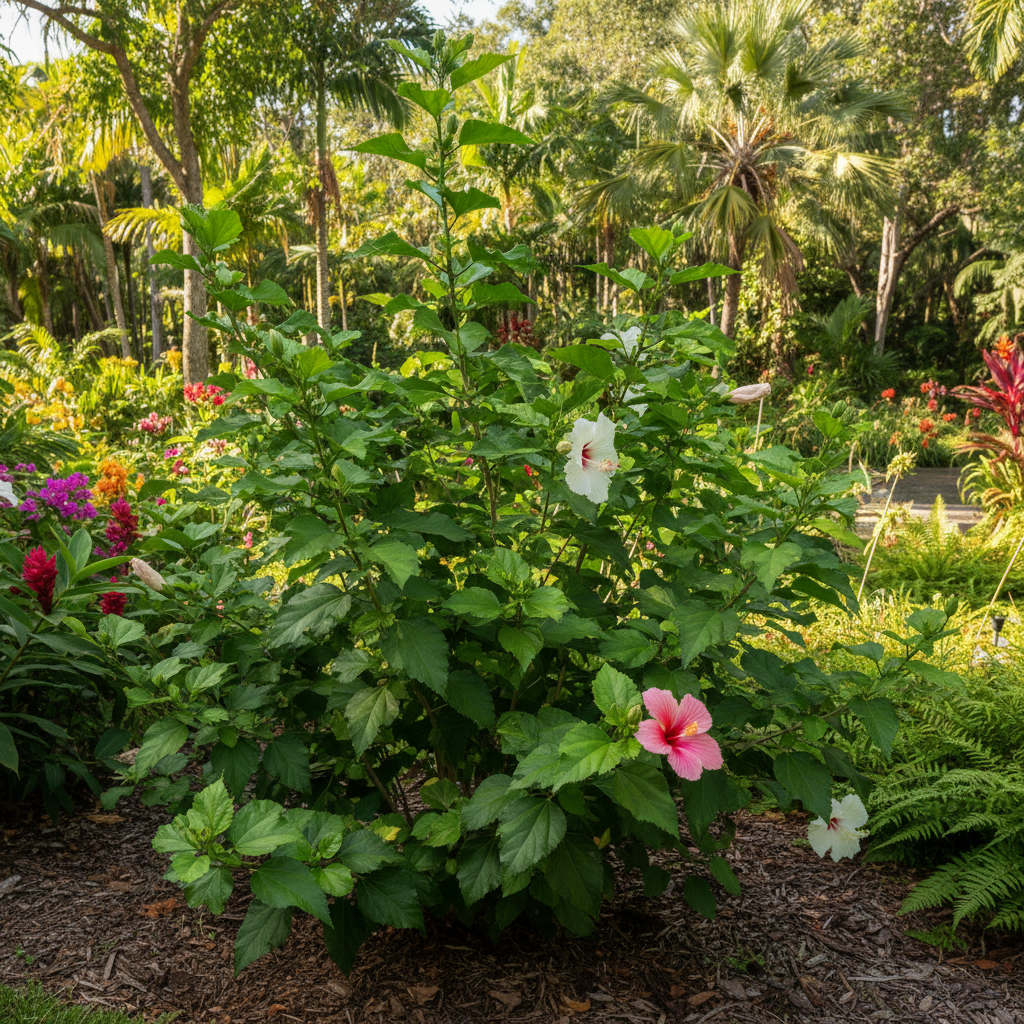
Color-Changing Blooms

Growth Habit
Shrubby Upright

Bloom Season
Late Summer

Flavour Profile
Ornamental

Suitable for
Outdoor

Planting Season
Spring

Fruit Size
N/A

Plant Height
6–10 feet

Light Requirement
Full Sun

Water Needs
Moderate

Hardiness Zones
USDA 7–11

Container Garden
Yes

Plant Spacing
4–6 feet

Planting Depth
1 cm

Growing Conditions
Well-drained fertile soil
Frequently Asked Questions
Why is Hibiscus mutabilis called the Confederate Rose?
Why is Hibiscus mutabilis called the Confederate Rose?
The common name refers to the species and not to a true rose, as it belongs to the hibiscus family.
Do the flower colors change during blooming?
Do the flower colors change during blooming?
Yes. Individual blooms may gradually change shade as they mature, depending on the variety and growing conditions.
Which shrubs pair well with Double Pink hibiscus?
Which shrubs pair well with Double Pink hibiscus?
Hydrangeas, gardenias, dwarf crape myrtles, salvias, and ornamental grasses complement its blooms.
Can this hibiscus become a large landscape shrub?
Can this hibiscus become a large landscape shrub?
Yes. With suitable care, it can develop into a substantial ornamental shrub over time.
Does light pruning help maintain its shape?
Does light pruning help maintain its shape?
Yes. Periodic pruning helps encourage balanced growth and maintain an attractive form.
Do hibiscus flowers attract pollinators?
Do hibiscus flowers attract pollinators?
The blooms may attract bees, butterflies, and other beneficial pollinating insects during flowering.