Skip to product information
1 of 8

Himalayan Blue Poppy Seeds for Planting – Captivating Vivid Blue Flowers for Shaded Borders

Himalayan Blue Poppy Seeds for Planting – Captivating Vivid Blue Flowers for Shaded Borders

Regular price $16.79 USD
Regular price Sale price $16.79 USD
Sale Sold out
Quantity

How to Sow and Plant

Stratification: Cold-stratify seeds (mix with moist sand and refrigerate for 3–6 weeks) before sowing to improve germination.
Soil: Prepare humus-rich, moist, well-draining soil with slight acidity.
Sow: Scatter seeds on the surface and press lightly (do not cover deeply; light aids germination).
Water: Keep soil consistently moist but not waterlogged.
Temperature: Maintain cool conditions (~10–15 °C) for best germination and seedling growth.

How to Grow

Shade: Partial to full shade preferred; avoid hot afternoon sun.
Moisture: Regular watering to keep soil evenly moist (not soggy).
Mulch: Use organic mulch to maintain cool, moist soil around roots.
Transplanting: Transplant seedlings carefully once established to shaded garden borders.
Care: Deadhead spent flowers and monitor for slugs/snails in damp conditions.

Tips

Cooler climates and shade mimic its native Himalayan habitat for best performance.
Provide rich organic matter in planting site; avoid dry and hot conditions.
Patience is required — germination and growth can take several weeks.

View full details
About
Product Information
Features
life-cycle

LIFE CYCLE

Short perennial

plant-characteristics

PLANT CHARACTERISTICS

Blue blooms

growth-habit

GROWTH HABIT

Upright clump

bloom-season

BLOOM SEASON

Late spring

flavour-profile

FLAVOUR PROFILE

Ornamental

suitable-for

SUITABLE FOR

Outdoor

About
Himalayan Blue Poppy Seeds for Planting – Captivating Vivid Blue Flowers for Shaded Borders
seed-type

SEED TYPE

Non-GMO

plant-type

PLANT TYPE

Herbaceous ornamental

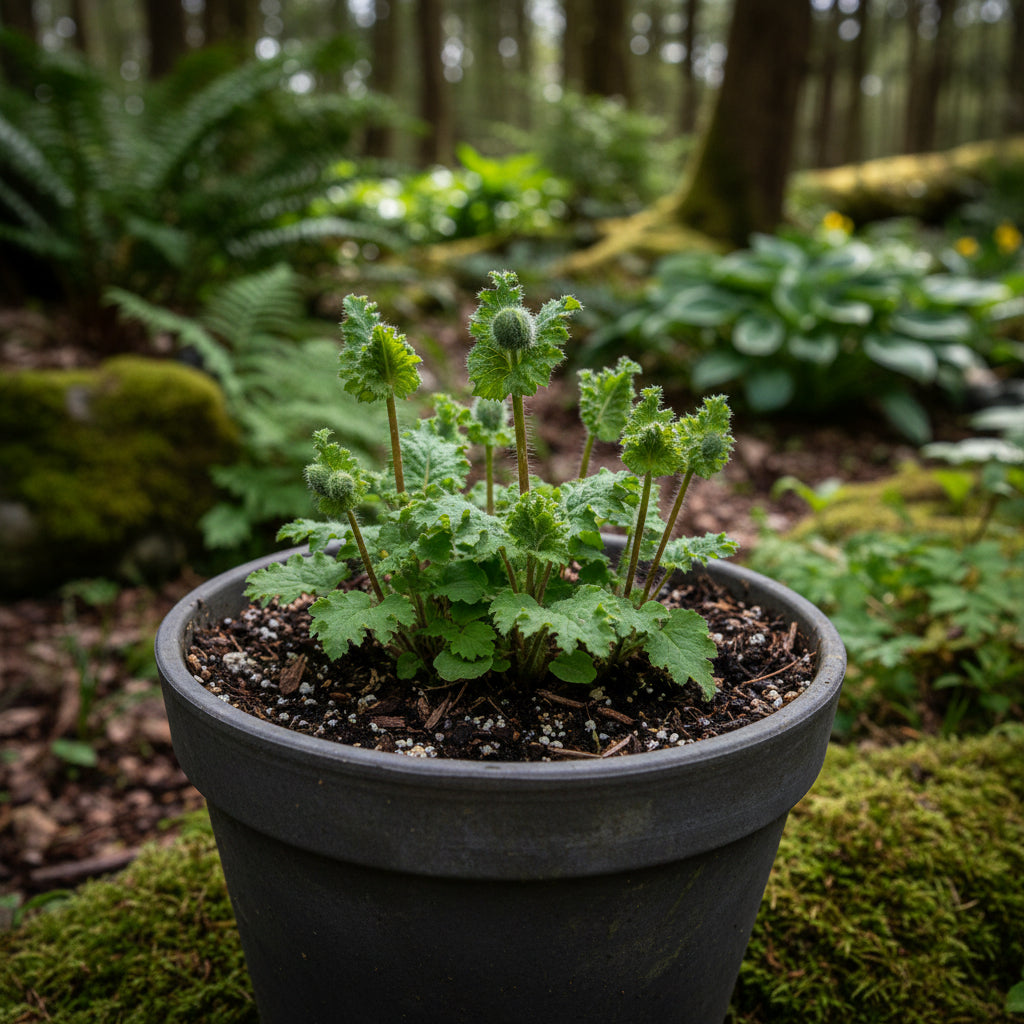
Himalayan Blue Poppy (Meconopsis betonicifolia) is one of the most celebrated ornamental poppies, treasured for its intensely vivid blue flowers — a rarity in the plant world. Beloved by gardeners for its enchanting color and elegant form, it is best grown in cool, shaded areas with moist, rich, well-draining soil. While considered a short-lived perennial, its striking blooms from late spring to early summer make it a standout choice for shaded borders, woodland settings, and cool climate gardens where other flowers may struggle.

Planting information
planting-season

PLANTING SEASON

Spring

fruit-size

FRUIT SIZE

N/A

plant-height

PLANT HEIGHT

Tall stalks

light-requirement

LIGHT REQUIREMENT

Shade

water-needs

WATER NEEDS

Moderate

hardiness-zones

HARDINESS ZONES

3–7

container-garden

CONTAINER GARDEN

No

plant-spacing

PLANT SPACING

30–45 cm

planting-depth

PLANTING DEPTH

Surface

growing-conditions

GROWING CONDITIONS

Cool

Coverage
Seed Count
Recommended Coverage
SEED COUNT
100
GTIN
036000167887

Frequently Asked Questions

Can Himalayan Blue Poppy be planted with other cool-season perennials?

Yes, it can be combined with compatible shade-tolerant plants that prefer cool, moist, well-drained growing conditions

How can Himalayan Blue Poppy be protected from harsh afternoon sun?

Planting it where it receives filtered light or gentle morning sun can help protect the foliage and delicate flowers from intense afternoon exposure

Can Himalayan Blue Poppy be grown near a woodland border?

Yes, its preference for cool, moist conditions makes a sheltered woodland-style border a suitable landscape setting

What type of background helps highlight blue poppy flowers?

Dark green foliage and softly textured shade plants can provide contrast that makes the blue flowers more visually prominent

Can Himalayan Blue Poppy be planted in groups?

Grouping plants can create a stronger seasonal flower display while maintaining consistent growing conditions across the planting area

How should surrounding plants be positioned around Himalayan Blue Poppy?

Leave enough open space around each plant for airflow and access while avoiding dense competition from larger neighboring plants