



LIFE CYCLE
Perennial

PLANT CHARACTERISTICS
Cold-hardy

GROWTH HABIT
Upright spreading tree

BLOOM SEASON
Spring

FLAVOUR PROFILE
Mildly tart

SUITABLE FOR
Outdoor

PLANTING SEASON
Winter to Early Spring

FRUIT SIZE
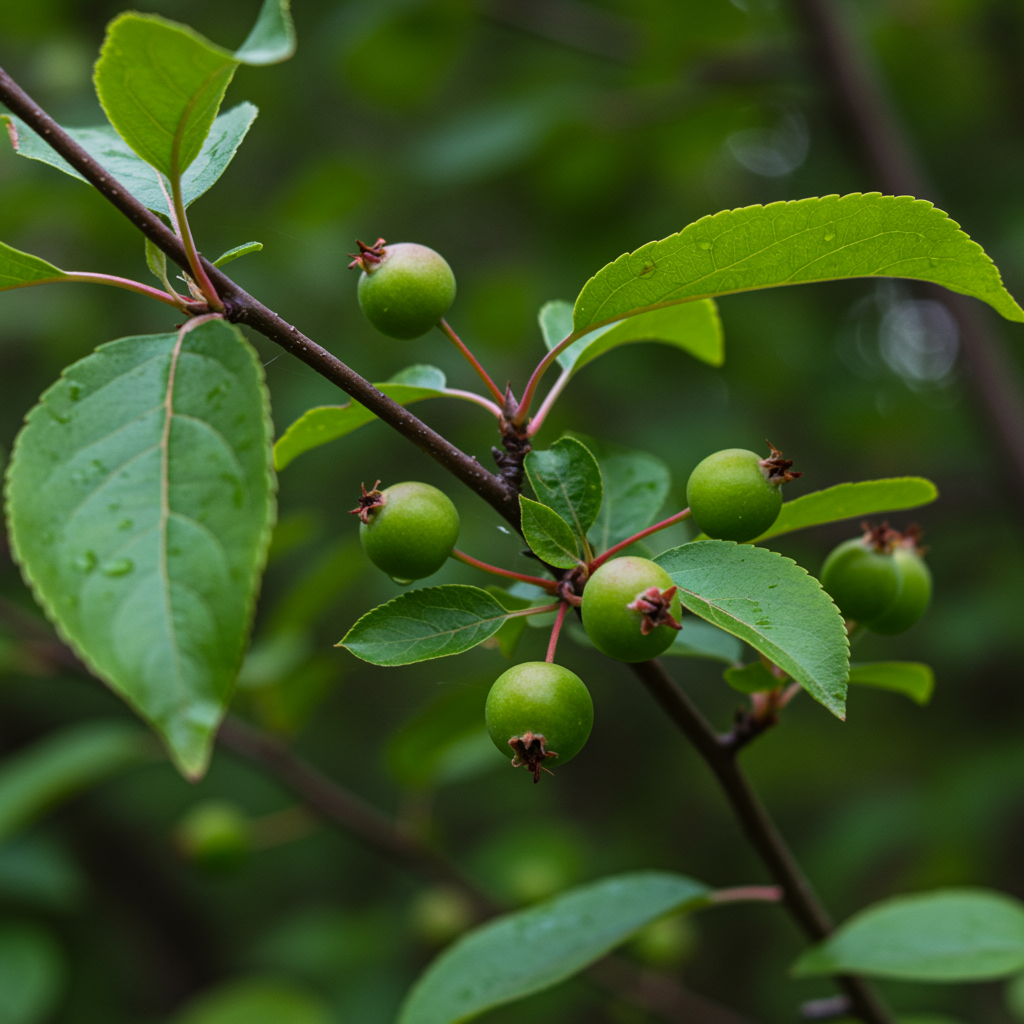
Small

PLANT HEIGHT
15 to 30 feet

LIGHT REQUIREMENT
Full Sun

WATER NEEDS
Moderate

HARDINESS ZONES
USDA Zones 3–7

CONTAINER GARDEN
no

PLANT SPACING
15 to 20 feet

PLANTING DEPTH
Well-drained
Frequently Asked Questions
Can Himalayan Crabapple produce abundant small ornamental apples?
Can Himalayan Crabapple produce abundant small ornamental apples?
Yes. This hardy tree is known for producing numerous small crabapples that add vibrant seasonal color and ornamental appeal.
Do the spring blossoms attract bees and other beneficial pollinators?
Do the spring blossoms attract bees and other beneficial pollinators?
Yes. The fragrant white blossoms provide nectar and attract bees and other beneficial pollinating insects during the flowering season.
Can Himalayan Crabapple be grown as an ornamental or landscape tree?
Can Himalayan Crabapple be grown as an ornamental or landscape tree?
Yes. It is well suited for specimen plantings, orchards, wildlife gardens, and ornamental landscapes with fertile, well-drained soil and full sun.
Will annual pruning help maintain a healthy tree structure?
Will annual pruning help maintain a healthy tree structure?
Yes. Light pruning helps improve air circulation, encourages balanced growth, and maintains an attractive canopy.
Do the fruits provide seasonal interest for birds and wildlife?
Do the fruits provide seasonal interest for birds and wildlife?
Yes. The colorful crabapples add long-lasting ornamental value and can provide a food source for birds and other wildlife.
How is Himalayan Crabapple different from Common Apple?
How is Himalayan Crabapple different from Common Apple?
Himalayan Crabapple (Malus baccata) produces small ornamental fruits and is widely valued for its profuse spring blossoms and wildlife appeal, while Common Apple (Malus domestica) is primarily cultivated for its larger edible fruits intended for fresh eating and culinary use.