



Life Cycle
Perennial

Plant Characteristics
Variegated foliage

Growth Habit
Clump-forming

Bloom Season
Summer

Flavour Profile
Not applicable

Suitable for
Outdoor (shade areas)

Seed Type
Open-pollinated

Plant Type
Flowering Ornamental Plant

Planting Season
Spring

Fruit Size
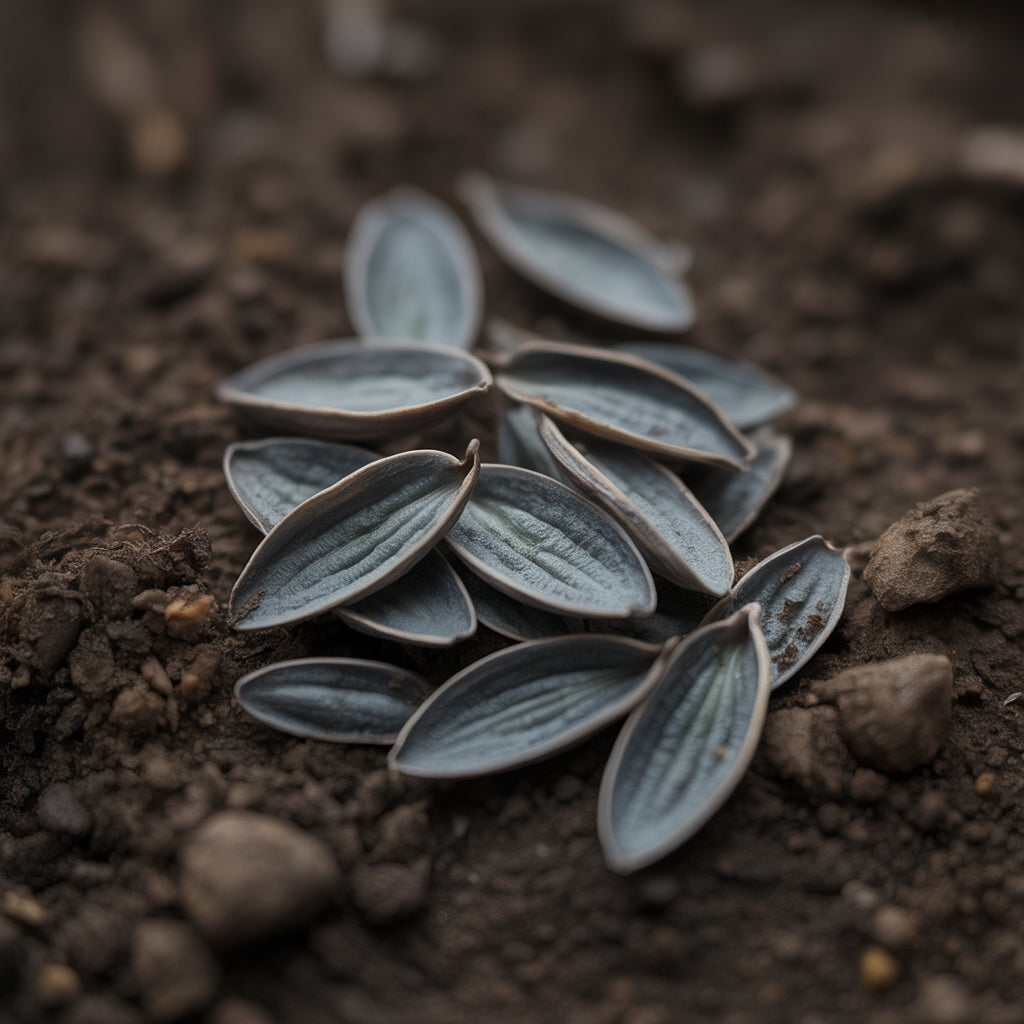
Small seed pods

Plant Height
30–60 cm

Light Requirement
Partial to Full Shade

Water Needs
Moderate

Hardiness Zones
3–9

Container Garden
Yes

Plant Spacing
40–60 cm

Planting Depth
Surface to 0.5 cm

Growing Conditions
Moist
Frequently Asked Questions
Can Hosta Lily produce attractive variegated foliage in shaded garden spaces?
Can Hosta Lily produce attractive variegated foliage in shaded garden spaces?
Yes. Hosta Lily is valued for its broad, variegated leaves, which can feature combinations of green, cream, yellow, or other contrasting tones depending on the variety.
Can Hosta Lily be grown in containers or shaded garden beds?
Can Hosta Lily be grown in containers or shaded garden beds?
Yes. It is well suited to containers, woodland gardens, shaded borders, raised beds, and foundation plantings with fertile, well-drained soil.
Will dividing mature Hosta clumps help maintain healthy growth?
Will dividing mature Hosta clumps help maintain healthy growth?
Yes. Dividing established clumps can rejuvenate plants, encourage vigorous growth, and provide additional plants for other garden areas.
Can Hosta Lily be used as a shade-tolerant ground cover?
Can Hosta Lily be used as a shade-tolerant ground cover?
Yes. Its broad, spreading foliage can help fill shaded spaces and create an attractive ground-cover effect beneath trees or along garden borders.
How is Variegated Hosta different from Green Hosta?
How is Variegated Hosta different from Green Hosta?
Variegated Hosta (Hosta species) has leaves displaying contrasting bands, margins, or centers in colors such as cream, yellow, and green, while Green Hosta is characterized primarily by uniformly green foliage.
Do the flowers attract bees and other beneficial pollinators?
Do the flowers attract bees and other beneficial pollinators?
Yes. The flower spikes can provide nectar for bees, butterflies, and other beneficial pollinating insects during the blooming season.