


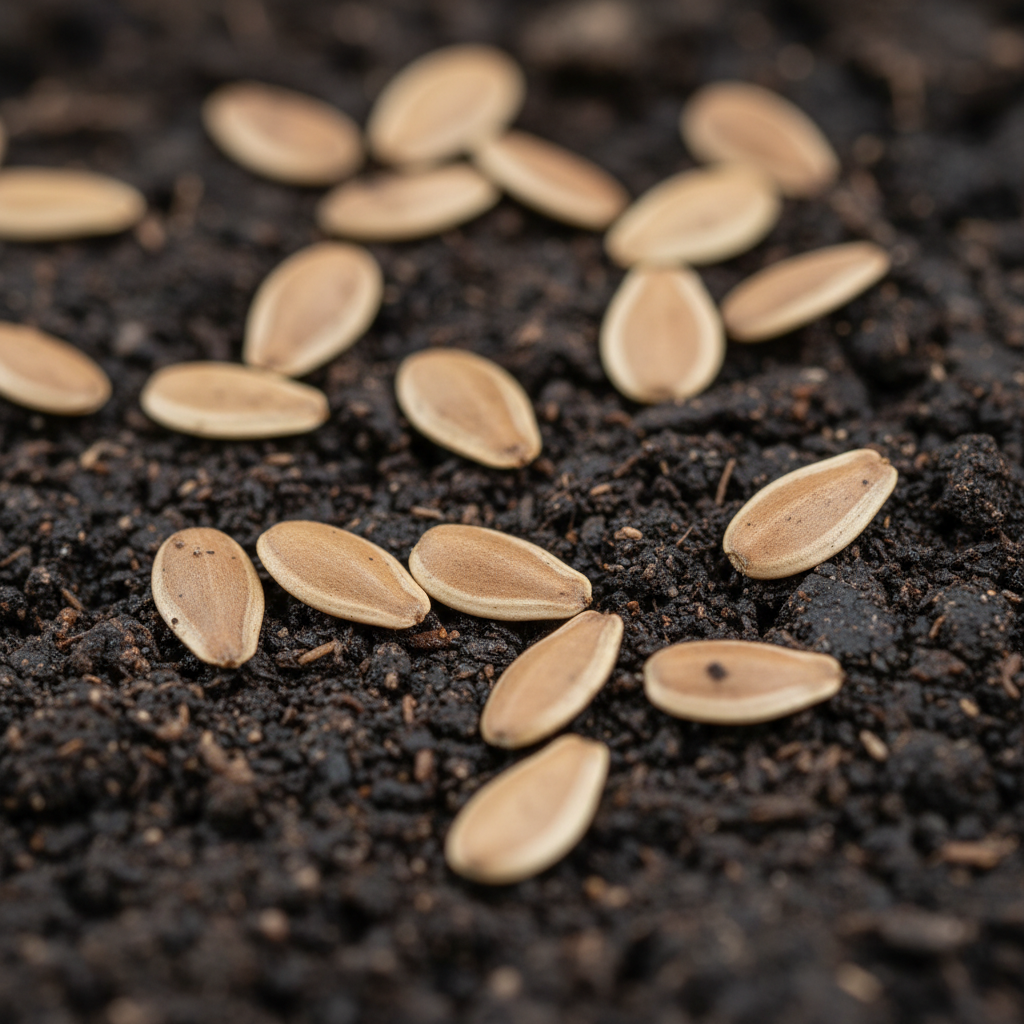

LIFE CYCLE
Annual

PLANT CHARACTERISTICS
Bright blooms, easy-growing

GROWTH HABIT
Upright

BLOOM SEASON
Summer–Fall

FLAVOUR PROFILE
Ornamental

SUITABLE FOR
Outdoor

PLANTING SEASON
Spring

FRUIT SIZE
N/A

PLANT HEIGHT
30–90 cm

LIGHT REQUIREMENT
Full Sun

WATER NEEDS
Moderate

HARDINESS ZONES
2–11

CONTAINER GARDEN
Yes

PLANT SPACING
15–30 cm

PLANTING DEPTH
1 cm

GROWING CONDITIONS
Well-drained soil
Frequently Asked Questions
Can Imported Pink Zinnia produce large, vibrant pink blooms?
Can Imported Pink Zinnia produce large, vibrant pink blooms?
Yes. It is valued for its bright pink flowers that create a cheerful display in borders, beds, and cutting gardens.
Do the sturdy stems make the flowers suitable for bouquets?
Do the sturdy stems make the flowers suitable for bouquets?
Yes. The strong stems and long-lasting blooms make them an excellent choice for fresh floral arrangements.
Can Imported Pink Zinnia be planted in mass landscape displays?
Can Imported Pink Zinnia be planted in mass landscape displays?
Yes. Planting in groups creates bold sweeps of color that enhance flower beds, borders, and cottage gardens.
Will removing faded flowers encourage continuous blooming?
Will removing faded flowers encourage continuous blooming?
Yes. Regular deadheading promotes fresh flower production and extends the flowering season.
Can the flowers attract butterflies and other pollinators?
Can the flowers attract butterflies and other pollinators?
Yes. The nectar-rich blooms attract butterflies, bees, and other beneficial pollinating insects.
How is Imported Pink Zinnia different from dwarf zinnia varieties?
How is Imported Pink Zinnia different from dwarf zinnia varieties?
Imported Pink Zinnia typically grows taller with larger blooms, while dwarf zinnias remain compact and are better suited for edging, containers, and smaller garden spaces.