Skip to product information
1 of 5

Bitter Melon Seeds for Planting - Indian Magara F1

Bitter Melon Seeds for Planting - Indian Magara F1

Regular price $16.99 USD
Regular price Sale price $16.99 USD
Sale Sold out
Quantity

How to Sow and Plant

Soak seeds in warm water for 12–24 hours (or nick seed coat) to improve germination.
Sow seeds 1–2 cm deep in seed-starting trays or direct in warm soil when temperature is above 20 °C.
Transplant seedlings or thin seedlings when they have 2–3 true leaves; prepare trellis or support before vines get long.
Space plants about 45–60 cm (≈18–24 inches) apart when supporting with trellis.

How to Grow

Provide full sun (6–8 hours) daily for healthy vine growth.
Use well-draining, fertile soil enriched with organic matter (compost or manure).
Water regularly and evenly — maintain soil moisture especially during flowering and fruiting. Avoid waterlogging.
Provide trellis or vertical support — climbing vines yield better when kept off the ground, improving air circulation and reducing rot.
Harvest fruits when they are green, firm and of edible size — do not let them overripen, else bitterness increases and seeds mature.

Tips

For best yield, sow seeds after soil warms up (avoid cold soil) — germination needs warm temperature (min ~ 20 °C).
Use organic compost or manure to enrich soil — gourds are moderately heavy feeders.
Use mulch to maintain soil moisture and suppress weeds.
Harvest fruits at tender immature stage for better taste; leave too long fruits become very bitter and seeds hard.

View full details
About
Product Information
Features
life-cycle

Life Cycle

Annual

plant-characteristics

Plant Characteristics

Vigorous

growth-habit

Growth Habit

Climbing

bloom-season

Bloom Season

Warm

flavour-profile

Flavour Profile

stir-fries

suitable-for

Suitable for

outdoor

About
Bitter Melon Seeds for Planting - Indian Magara F1
seed-type

Seed Type

Non-GMO

plant-type

Plant Type

vegetable

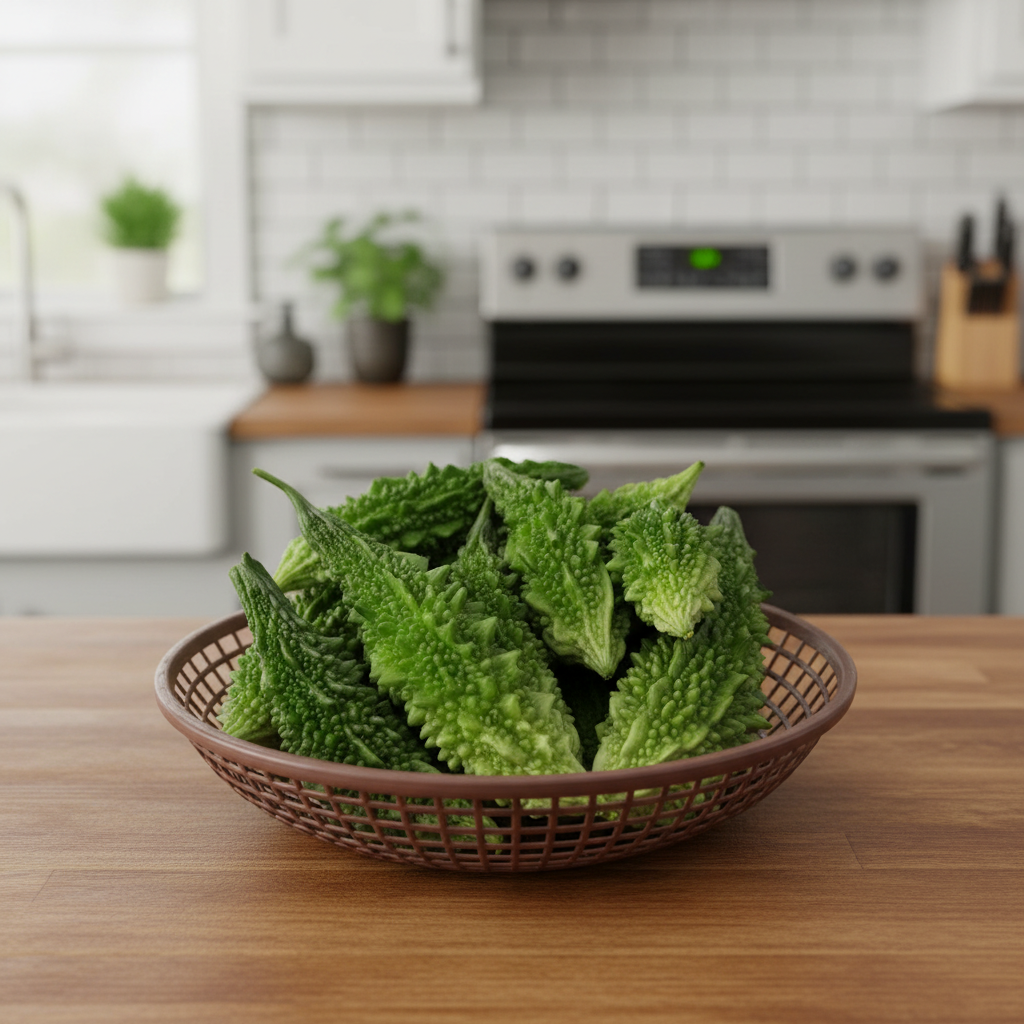
Bitter Melon (Botanical: Momordica charantia), popularly known as Karela in India, is a tropical/sub-tropical vine crop belonging to Cucurbitaceae. The variety “Indian Magara F1” is bred for high yield, uniform and tender fruits and vigorous climbing growth — making it excellent for home gardens, trellis cultivation, or container farming. The plant thrives in warm weather, requires full sun and well-draining fertile soil. Fruits are harvested while young and green, used in cooking for their distinct bitter taste and assumed health benefits. Regular harvest encourages continuous fruiting throughout the growing season.

Planting information
planting-season

Planting Season

Summer

fruit-size

Fruit Size

Medium

plant-height

Plant Height

150–180 cm

light-requirement

Light Requirement

Full Sun

water-needs

Water Needs

Moderate

hardiness-zones

Hardiness Zones

9–11

container-garden

Container Garden

Yes

plant-spacing

Plant Spacing

45–60 cm

planting-depth

Planting Depth

1–2 cm

growing-conditions

Growing Conditions

Warm weather

Coverage
Seed Count
Recommended Coverage
Seed Count
100
GTN
036000177947

Frequently Asked Questions

What shape does Indian Magara F1 bitter melon produce?

The variety is described as producing uniform, tender fruits. Bitter melon commonly develops elongated, ridged fruits as they mature.

How tall can a bitter melon trellis be?

A sturdy trellis should provide enough vertical room for a climbing vine. The listing gives a plant height of about 150–180 cm.

Why do bitter melon vines need good airflow?

Keeping vines off the ground improves air movement around foliage and fruit, while also helping reduce prolonged contact with damp soil.

Can bitter melon be grown in a large container?

Yes. The listing identifies container growing as suitable. Use a container with good drainage and provide sturdy vertical support.

How can I tell when bitter melon fruit is past the tender stage?

Fruit becomes more mature as it changes from firm green fruit toward a more developed stage with harder seeds and stronger bitterness.

What happens if bitter melon flowers form but fruit does not develop?

Fruit set can vary with temperature, pollinator activity and plant conditions. Warm weather and regular care support normal flowering and fruit development.