Skip to product information
1 of 4

Inkberry Holly Seeds for Planting – Ilex glabra Hardy Evergreen Shrub with Year-Round Interest

Inkberry Holly Seeds for Planting – Ilex glabra Hardy Evergreen Shrub with Year-Round Interest

Regular price $16.69 USD
Regular price Sale price $16.69 USD
Sale Sold out
Quantity

How to Sow and Plant

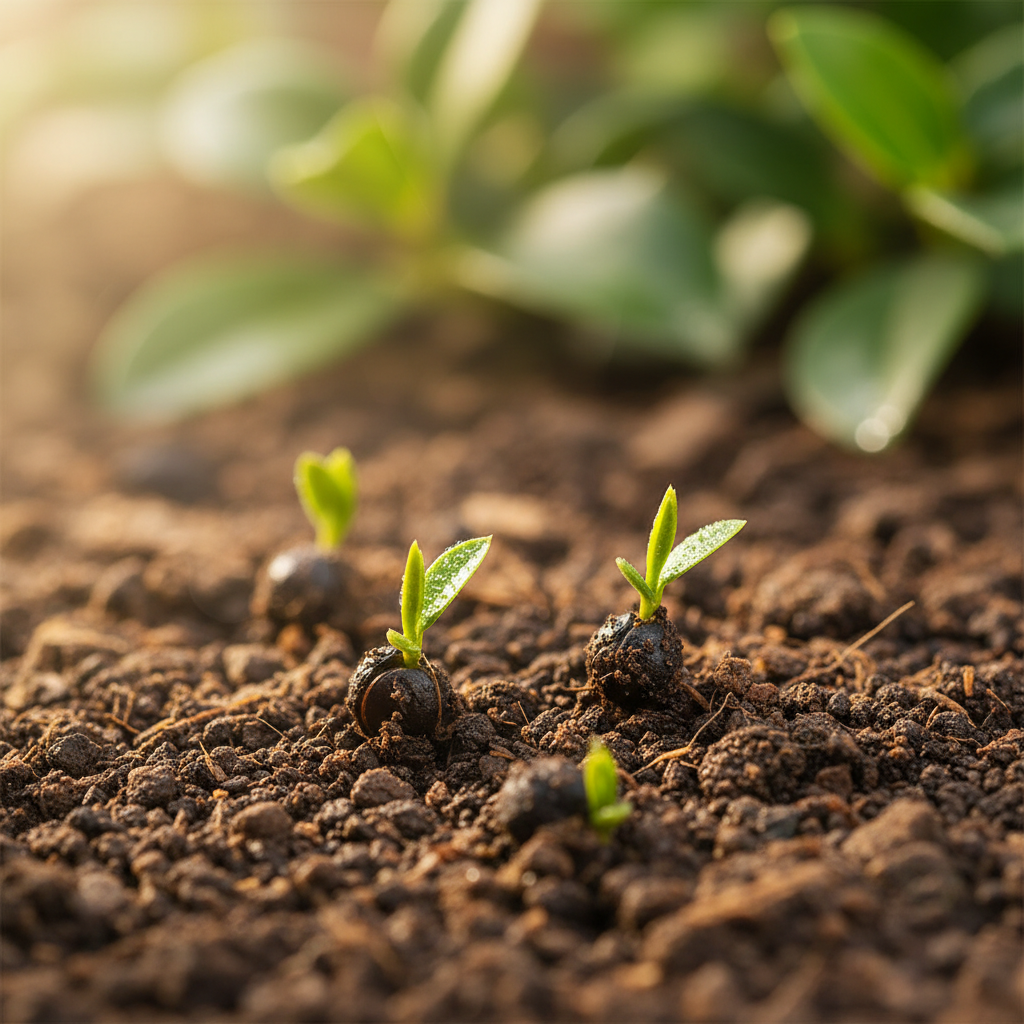
Stratify Inkberry Holly seeds in a moist, cool environment (e.g., fridge) for 2–3 months to break dormancy before sowing.

Sow seeds on the surface or lightly cover with fine, well‑drained soil (about 0.5–1 cm).

Keep the soil consistently moist but not waterlogged.

Place containers in full sun to partial shade.

Germination may take 60–120 days, so patience is key.

How to Grow

Plant Inkberry Holly in well‑drained, slightly acidic soil with full sun to partial shade.

Water consistently, especially during establishment, to maintain moist soil.

Mulch around the base to retain moisture and suppress weeds.

Fertilize seasonally with a balanced organic fertilizer.

Tips

Choose a site with good sun exposure and consistent moisture.

Mulch annually to retain moisture and suppress weeds.

Avoid overwatering; ensure good drainage.

For berries to form, plant both male and female shrubs nearby.

View full details
About
Product Information
Features
life-cycle

Life Cycle

Perennial

plant-characteristics

Plant Characteristics

Evergreen foliage

growth-habit

Growth Habit

Upright / Rounded evergreen

bloom-season

Bloom Season

Spring

flavour-profile

Flavour Profile

Ornamental

suitable-for

Suitable for

Outdoor

About
Inkberry Holly Seeds for Planting – Ilex glabra Hardy Evergreen Shrub with Year-Round Interest
seed-type

Seed Type

Non‑GMO

plant-type

Plant Type

Shrub

Inkberry Holly (Ilex glabra) is an evergreen shrub valued for its glossy dark green foliage and year‑round appeal. It naturally forms a tidy, rounded habit that enhances hedges, borders, and foundation plantings with texture and structure. Preferring moist, slightly acidic soil, it adapts to a range of garden conditions and remains low‑maintenance once established. Birds may enjoy its small berries on female plants when pollinated.

Planting information
planting-season

Planting Season

Spring / Fall

fruit-size

Fruit Size

Small black berries

plant-height

Plant Height

3–8 ft

light-requirement

Light Requirement

Full sun to partial shade

water-needs

Water Needs

Moderate

hardiness-zones

Hardiness Zones

4–9

container-garden

Container Garden

Yes (large)

plant-spacing

Plant Spacing

6–10 ft

planting-depth

Planting Depth

0.5–1 cm

growing-conditions

Growing Conditions

Moist

Coverage
Seed Count
Recommended Coverage
SEED COUNT
100
GTIN
036000161878

Frequently Asked Questions

Why does San Marzano tomato need staking?

Its indeterminate vines continue growing and benefit from a cage, trellis, or stake for support.

What makes San Marzano tomatoes useful for sauces?

Their elongated plum shape and meaty texture make them well suited to sauces and paste-style preparations.

Can San Marzano tomatoes be grown in containers?

Yes. The product specifications list container growing as suitable when adequate space and support are provided.

How can airflow be improved around San Marzano plants?

Pruning lower leaves and selected suckers can improve airflow around the plant when done carefully.

What indicates that San Marzano tomatoes are ready to harvest?

The product page recommends harvesting when the fruits are deep red and firm.

Why are San Marzano tomatoes called indeterminate?

Indeterminate plants continue producing new stems and fruit over an extended growing period.