



LIFE CYCLE
Perennial

PLANT CHARACTERISTICS
Tall

GROWTH HABIT
Upright

BLOOM SEASON
Summer

FLAVOUR PROFILE
Not edible

SUITABLE FOR
Outdoor

SEED TYPE
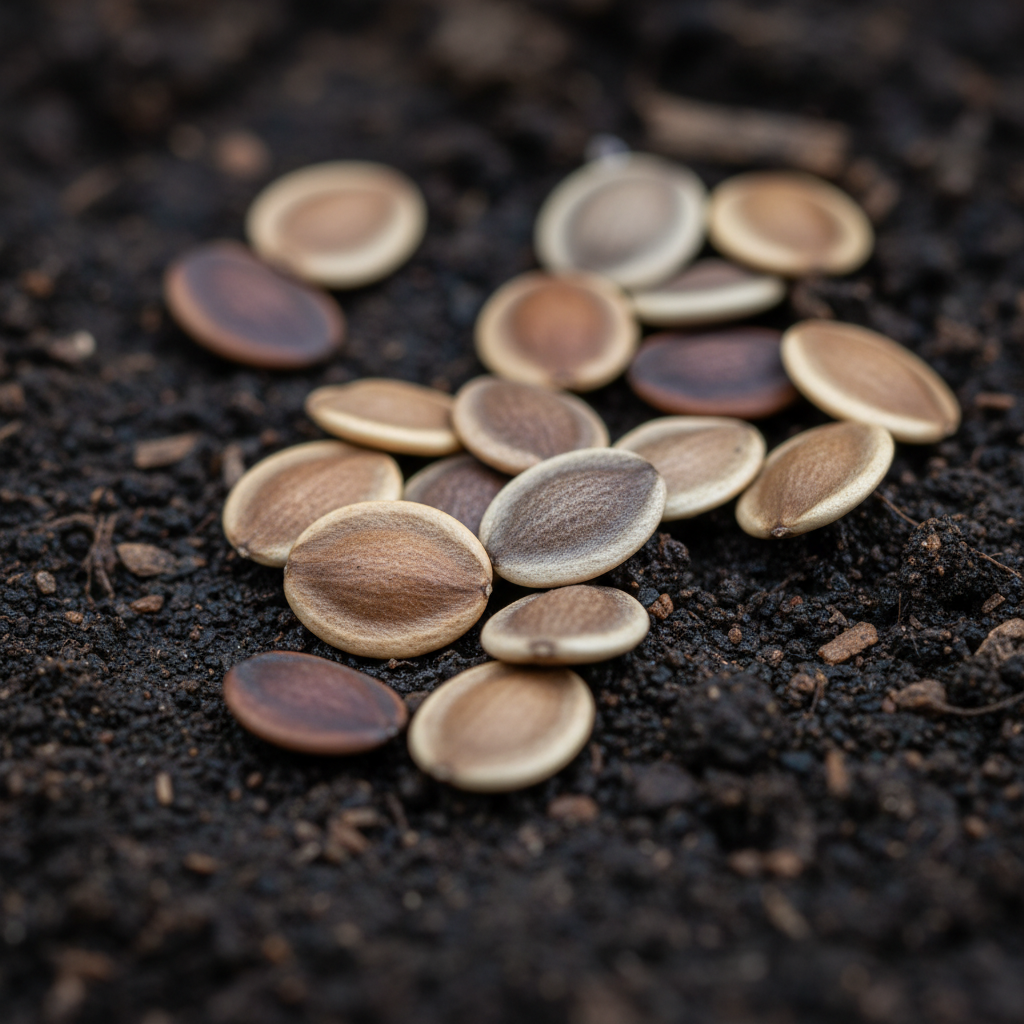
Non-GMO garden seed.

PLANT TYPE
Flowering perennial.

PLANTING SEASON
Spring or Fall.

FRUIT SIZE
N/A

PLANT HEIGHT
90–120 cm

LIGHT REQUIREMENT
Full Sun to Partial Shade

WATER NEEDS
Average / Moderate.
HARDINESS ZONES
Zones 4–8

CONTAINER GARDEN
Yes

PLANT SPACING
30–45 cm

PLANTING DEPTH
0.5 cm

GROWING CONDITIONS
moderate water.
Frequently Asked Questions
Can Lupin flower spikes be used in layered border planting?
Can Lupin flower spikes be used in layered border planting?
Yes. Their tall flower spikes can form a vertical layer behind shorter perennials, edging plants or low-growing annuals.
How can Lupin stems be kept upright in exposed gardens?
How can Lupin stems be kept upright in exposed gardens?
Plant in a sheltered position and use discreet stakes if flower spikes become heavy or wind-exposed.
Can Lupin be grown for home-cut flower arrangements?
Can Lupin be grown for home-cut flower arrangements?
Yes. The tall flower spikes are suitable for cutting and can add vertical structure to indoor floral arrangements.
Why is well-drained soil important for Lupins?
Why is well-drained soil important for Lupins?
Good drainage helps prevent prolonged wet conditions around the roots. Lupins perform best in fertile soil that does not remain waterlogged.
Can Lupin seedlings be moved after developing true leaves?
Can Lupin seedlings be moved after developing true leaves?
Yes. Transplant once seedlings are established and have developed true leaves, handling the roots carefully during the move.
Do Lupin varieties differ in lifespan?
Do Lupin varieties differ in lifespan?
Yes. Lupinus types can be annual or perennial depending on the variety, so the expected lifecycle should be checked for the specific selection.