



Life Cycle
Perennial

Plant Characteristics
Blush-pink flowers

Growth Habit
Upright

Bloom Season
Late spring to summer

Flavour Profile
Not applicable

Suitable for
Outdoor

Seed Type
Non-GMO

Plant Type
Flowering Perennial

Planting Season
Spring, Autumn

Fruit Size
Not applicable

Plant Height
60–80 cm

Light Requirement
Full sun

Water Needs
Low to moderate

Hardiness Zones
4–9

Container Garden
Yes

Plant Spacing
30–45 cm

Planting Depth
Surface sow

Growing Conditions
Well-drained soil
Frequently Asked Questions
Can Lychnis coronaria 'Angel's Blush' retain its silvery foliage after flowering?
Can Lychnis coronaria 'Angel's Blush' retain its silvery foliage after flowering?
Yes. The soft silver-gray foliage remains attractive after the blooms fade, providing texture and contrast in the garden.
Do the flower colors vary from plant to plant?
Do the flower colors vary from plant to plant?
Yes. Individual plants may display soft blush pink shades with subtle natural variation, adding charm to mixed plantings.
Can Lychnis coronaria 'Angel's Blush' be grown in gravel gardens?
Can Lychnis coronaria 'Angel's Blush' be grown in gravel gardens?
Yes. It performs well in sunny, well-drained gravel gardens, rockeries, and drought-tolerant landscapes.
Will this plant reseed naturally under suitable conditions?
Will this plant reseed naturally under suitable conditions?
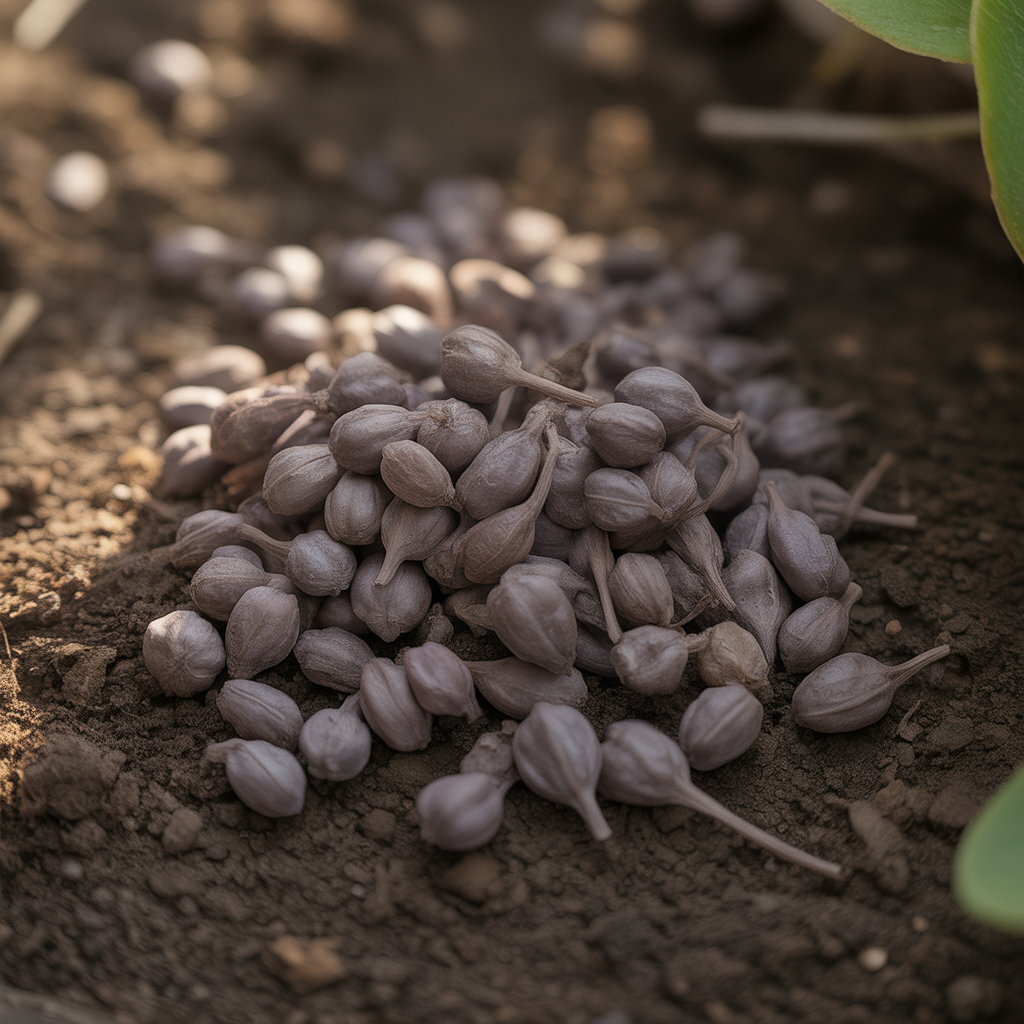
Yes. If seed heads are left on the plant, it may self-seed gently in favorable growing conditions.
Can Lychnis coronaria 'Angel's Blush' be used in fresh and dried bouquets?
Can Lychnis coronaria 'Angel's Blush' be used in fresh and dried bouquets?
Yes. The flowers and silvery stems are suitable for fresh arrangements, and the seed heads can add interest to dried displays.
How is 'Angel's Blush' different from standard Rose Campion?
How is 'Angel's Blush' different from standard Rose Campion?
'Angel's Blush' is selected for its delicate blush-pink flowers, while traditional Rose Campion (Lychnis coronaria) is more commonly known for vivid magenta blooms.