



LIFE CYCLE
Perennial

PLANT CHARACTERISTICS
Tropical fruit

GROWTH HABIT
Upright spreading tree

BLOOM SEASON
Spring to Early Summer

FLAVOUR PROFILE
Sweet-tangy

SUITABLE FOR
out door

PLANTING SEASON
Spring Summer

PLANT HEIGHT
10–18 m

FRUIT SIZE
Small (1–2 inches)

LIGHT REQUIREMENT
full sun

WATER NEEDS
Moderate

HARDINESS ZONES
USDA 10–12

CONTAINER GARDEN
no

PLANT SPACING
6–8 m

PLANTING DEPTH
2-3m

GROWING CONDITIONS
Warm
Frequently Asked Questions
Can Mamoncillo produce sweet tropical Spanish Lime fruits?
Can Mamoncillo produce sweet tropical Spanish Lime fruits?
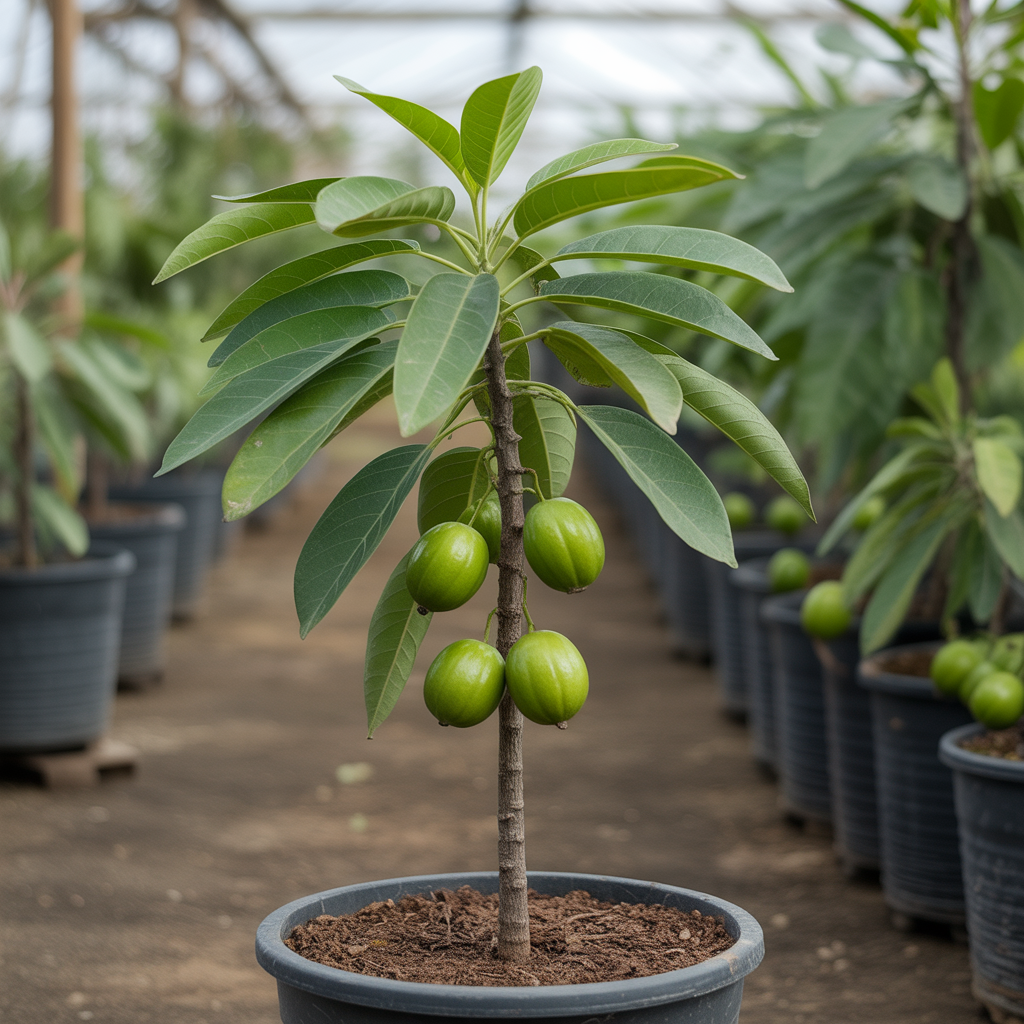
Yes. Mamoncillo (Melicoccus bijugatus), also known as Spanish Lime, produces round green fruits with juicy, sweet-to-tart pulp surrounding a large seed.
Do the flowers attract bees and other beneficial pollinators?
Do the flowers attract bees and other beneficial pollinators?
Yes. The small flowers can provide nectar and pollen for bees and other pollinating insects during the flowering period.
Can Mamoncillo be grown as a tropical fruit tree?
Can Mamoncillo be grown as a tropical fruit tree?
Yes. It can be grown in warm, frost-free climates where it has sufficient space, full sun, and fertile, well-drained soil.
Will regular watering support healthy growth and fruit development?
Will regular watering support healthy growth and fruit development?
Yes. Consistent moisture during active growth, combined with good drainage, helps support healthy tree development and fruit production.
Can Mamoncillo fruits be enjoyed fresh or used in recipes?
Can Mamoncillo fruits be enjoyed fresh or used in recipes?
Yes. The ripe fruits can be eaten fresh, and their juicy pulp can also be used in beverages, desserts, preserves, and other tropical preparations.
How is Mamoncillo different from Lychee?
How is Mamoncillo different from Lychee?
Mamoncillo (Melicoccus bijugatus) produces green-skinned fruits with juicy pulp surrounding a large seed, while Lychee (Litchi chinensis) produces rough, reddish skin with translucent, sweet flesh surrounding a single seed.