



Life Cycle
Perennial

Plant Characteristics
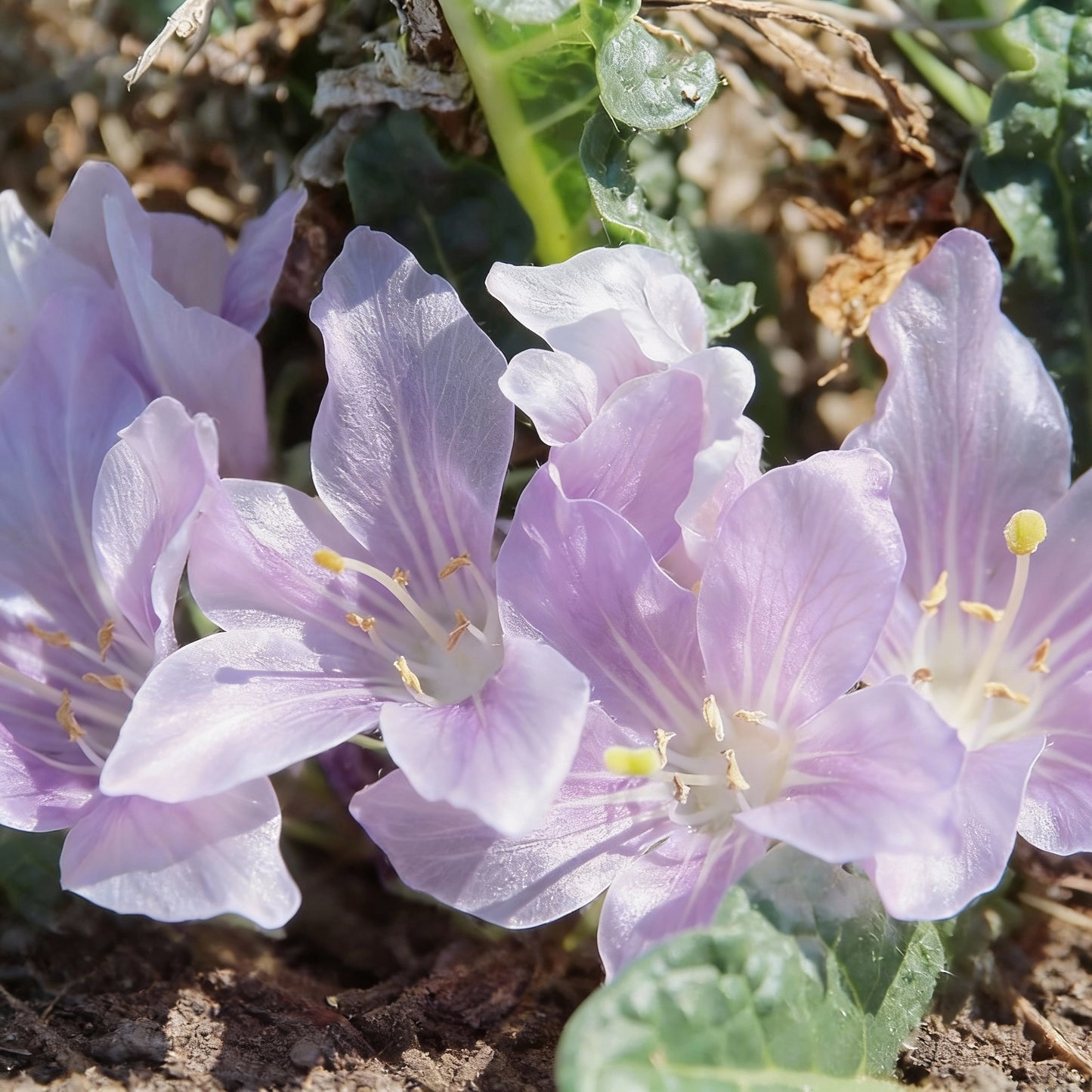
Broad foliage

Growth Habit
Rosette-forming

Bloom Season
Spring

Flavour Profile
Traditional medicinal and ornamental use

Suitable for
Outdoor

Seed Type
GMO-free

Plant Type
Herb

Planting Season
Spring

Fruit Size
Small

Plant Height
30–50 cm

Light Requirement
Partial Shade

Water Needs
Moderate

Hardiness Zones
6–9

Container Garden
No

Plant Spacing
45–60 cm

Planting Depth
1–2 cm

Growing Conditions
Cool
Frequently Asked Questions
What garden conditions suit Mandrake best?
What garden conditions suit Mandrake best?
Mandrake prefers well drained soil and a suitable outdoor location where the plant can develop its deep root system
How does Mandrake differ from shallow rooted herbs?
How does Mandrake differ from shallow rooted herbs?
Its prominent taproot develops deeply below the soil, so loose soil with adequate depth is important for root development
Can Mandrake be grown in a container?
Can Mandrake be grown in a container?
A deep container may be used if it provides sufficient root depth, good drainage, and enough room for the plant to develop
How should Mandrake be positioned in a garden?
How should Mandrake be positioned in a garden?
Choose a location with suitable sunlight and enough surrounding space so its low growing foliage and root system can develop without disturbance
When does Mandrake typically become dormant?
When does Mandrake typically become dormant?
Mandrake can enter seasonal dormancy, with its above ground foliage dying back during unfavorable conditions before new growth resumes
How should Mandrake roots be handled during cultivation?
How should Mandrake roots be handled during cultivation?
Avoid unnecessary handling of the roots and use appropriate gardening precautions when transplanting or working around established plants